 By MI6 Staff
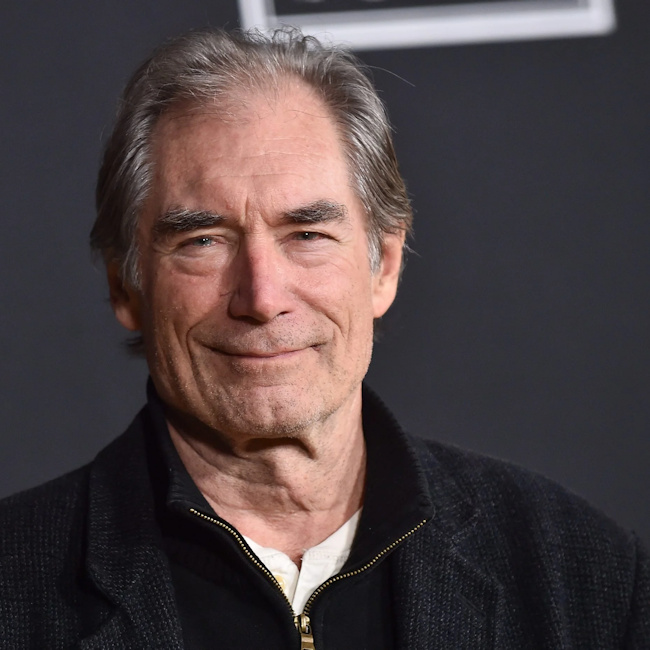
There are some actors who inherit a role, and others who redefine it. As Timothy Dalton celebrates his 80th birthday, it is increasingly clear that his legacy as the fourth James Bond is not merely secure – it is essential.
Born in 1946 in Colwyn Bay, Wales, Dalton’s journey to 007 was anything but conventional. A classically trained actor shaped by the stage and the discipline of Shakespeare, he emerged from the Royal Academy of Dramatic Art and the Birmingham Repertory Theatre with a seriousness of intent that would define his entire career.
From early screen appearances in historical dramas such as The Lion in Winter and Wuthering Heights, Dalton built a reputation for intensity, precision, and a certain romantic austerity. It was, perhaps, inevitable that he would one day be considered for Bond – though, famously, he turned the role down in his twenties, believing himself too young to succeed Sean Connery.
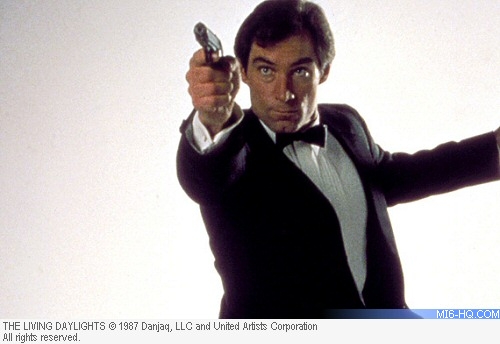
When Dalton finally accepted the role in 1986, following Roger Moore’s departure, he did so with a clear philosophy: to return Bond to the character created by Ian Fleming.
His debut in ‘The Living Daylights’ and follow-up ‘Licence To Kill’ presented a colder, more conflicted 007 – less a gentleman adventurer, more a professional operative. Dalton’s Bond was serious, driven, and at times visibly burdened by the work he was asked to do.
It was, in retrospect, a portrayal ahead of its time.
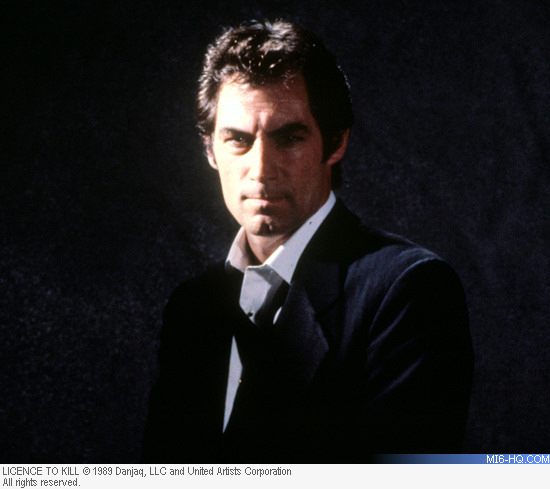
Decades later, the tonal shift seen in the tenure of Daniel Craig – with its emphasis on emotional realism and moral consequence – would echo many of the choices Dalton made in the late 1980s. What was once divisive is now widely regarded as visionary.
While his Bond tenure was curtailed by legal disputes within the franchise, Dalton’s career has been anything but defined solely by those two films.
He has consistently chosen roles that align with his classical instincts while also embracing unexpected turns. His deliciously sinister performance as Simon Skinner in Hot Fuzz (2007) revealed a sharp comedic edge, while his voice work as Mr. Pricklepants in Pixar’s Toy Story films introduced him to a new generation.
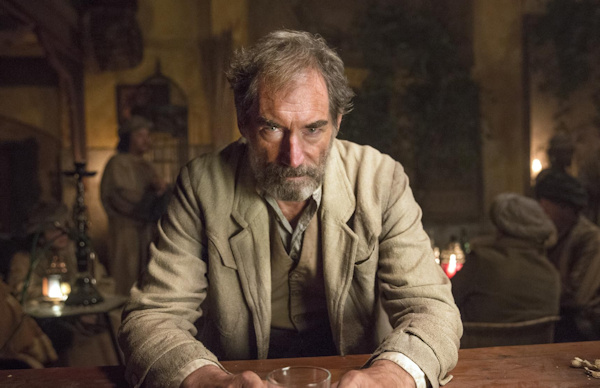
On television, Dalton has enjoyed a remarkable late-career renaissance. As Sir Malcolm Murray in Penny Dreadful, he anchored the gothic drama with gravitas and emotional depth, delivering one of the defining performances of the series.
He followed this with a memorable turn as the enigmatic Chief in Doom Patrol, bringing a mixture of authority and ambiguity to the role.
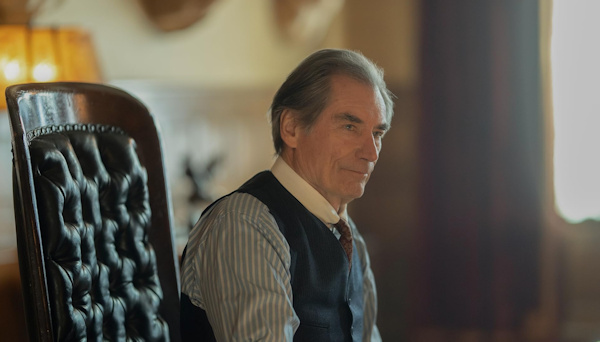
More recently, Dalton has appeared in The Crown, portraying Peter Townsend, and in 1923, where he plays the formidable Donald Whitfield – a character defined by power, wealth, and ruthlessness.
These roles underline a truth long understood by those who have followed his career: Dalton does not simply perform – he inhabits.
In the world of Bond, his influence continues to grow with each passing year. Once seen as an outlier, Dalton now stands as a crucial bridge between eras: the man who reconnected Bond with Fleming’s original conception, paving the way for the modern interpretation of the character.
In many ways, Dalton was the Bond who understood the assignment most clearly.
And at 80, his work – on stage, screen, and in the canon of 007 – remains as vital as ever.