
Many of its species thrive, such as the seal population at Blakeney Point and the deer herds at Gunton Park near Cromer.
But there are plenty of animals that still need our help across the county.
Water voles are facing a decline in habitat (Image: Andrew Matthews/PA Wire)
Water voles
Their decline was one of the greatest losses of mammals in the UK in the 20th century.
They are still at risk though with one of their biggest problems being the American mink population in Norfolk. This has now started to decline thanks to wildlife recovery programmes.
Another risk posed to them is a loss of habitat thanks to hard bank reinforcement, and intensive drainage and ditch clearance removing the soft, vegetated banks that voles need for burrows and cover.
One new road in Norfolk could put the bats habitat at risk (Image: C.Packman)
Barbastelle bats
Conservation groups have specifically highlighted major road schemes such as parts of the Norwich Western Link road as a serious threat to key barbastelle roosts.
Historic and ongoing tree‑felling and the lack of old trees have driven long‑term declines as the bats rely on mature broadleaf woodland for roosts.
The colonies becoming isolated by their habitat being broken up by modern agriculture is another of the reasons they are listed as vulnerable.
One variant of the Swallowtail butterfly only exists in East Anglia (Image: Supplied)
Swallowtail butterflies
This subspecies, called Papilio machaon britannicus, now exists primarily in the Norfolk Broads and the East Anglian wetlands, so any problem in this landscape can hit the entire wild UK population.
Its caterpillars feed solely on milk parsley, which is a naturally scarce plant and itself vulnerable to changes such as rising water and sea levels.
The best places to spot them are Wheatfen Nature Reserve just outside Norwich and at Strumpshaw Fen.
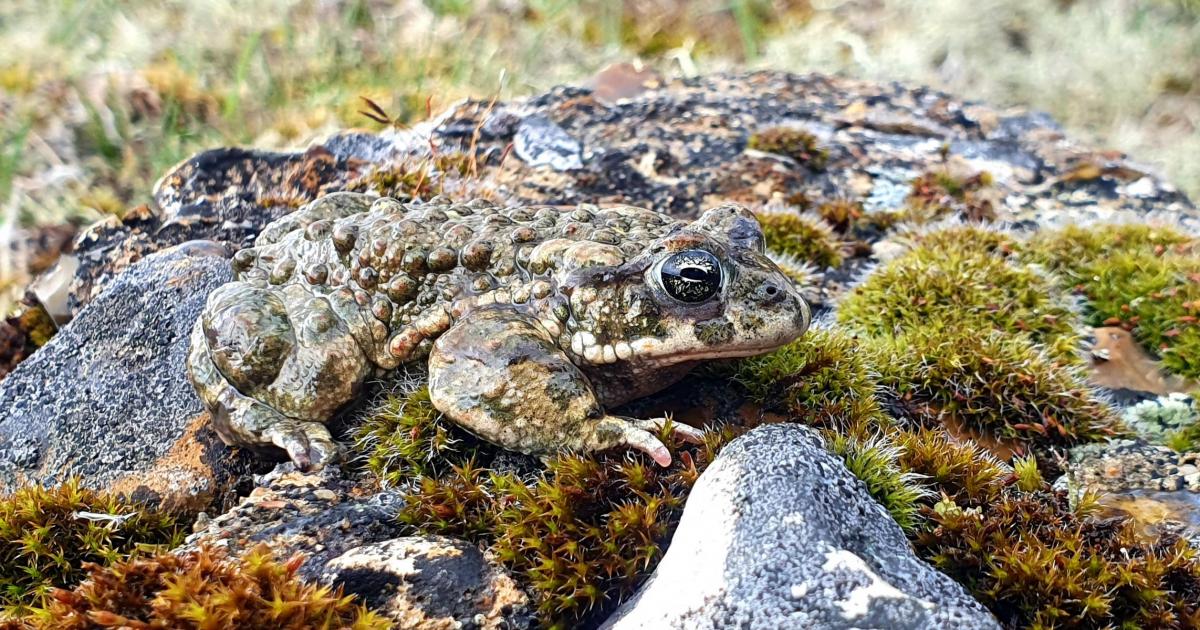
The Natterjack toad lives in pools in dunes (Image: Steph Horn/PA Wire)
Natterjack toads
It is one of Britain’s rarest amphibians and naturally restricted to three main habitat types being coastal dune systems, upper salt marsh and lowland heath.
The grazing animals that reduce the vegetation, allowing for large flat areas of sand, have begun to decrease in numbers as well.
There is a large colony on Holkham Nature Reserve where staff work to retain this habitat, particularly the vegetation.
Thousands of hedgehogs are killed on our roads each year (Image: Chris Bishop)
Hedgehogs
In 2023, the number of hedgehogs had fallen by 30pc in urban areas and 50pc in rural areas since the Millennium with the East of England having one of the steepest declines in the species.
Hundreds of thousands of hedgehogs are estimated to be killed on UK roads every year.
Widespread pesticide and herbicide use in farmland and gardens reduces beetles, worms and other invertebrates, and directly cuts the food supply hedgehogs rely on.