
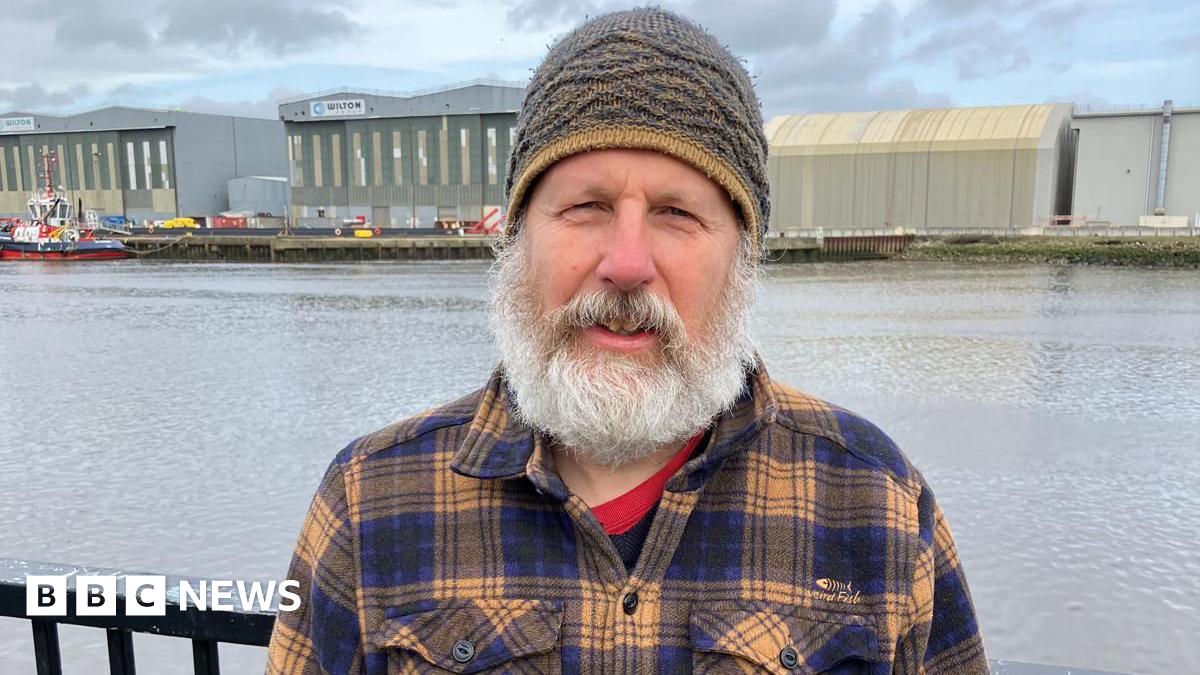
Gibbon, a member of the North East Marine Research Group (NEMRG), sought a judicial review, arguing the licence needed more precise information on the areas of the Tees safe to dredge without disturbing potentially hazardous sediment.
He said the seal deaths were a “canary in the mine” indicating potential risk.
“Twenty two seal pups born and roughly 22 pups died – it’s just tragic,” he said.
“It’s almost invisible because you see the adult seals and you don’t notice what’s happening below the surface.”
Gibbon said high levels of pollutants were found in seal pups and the dredging and disposal could explain how the toxins had been released into the environment.