
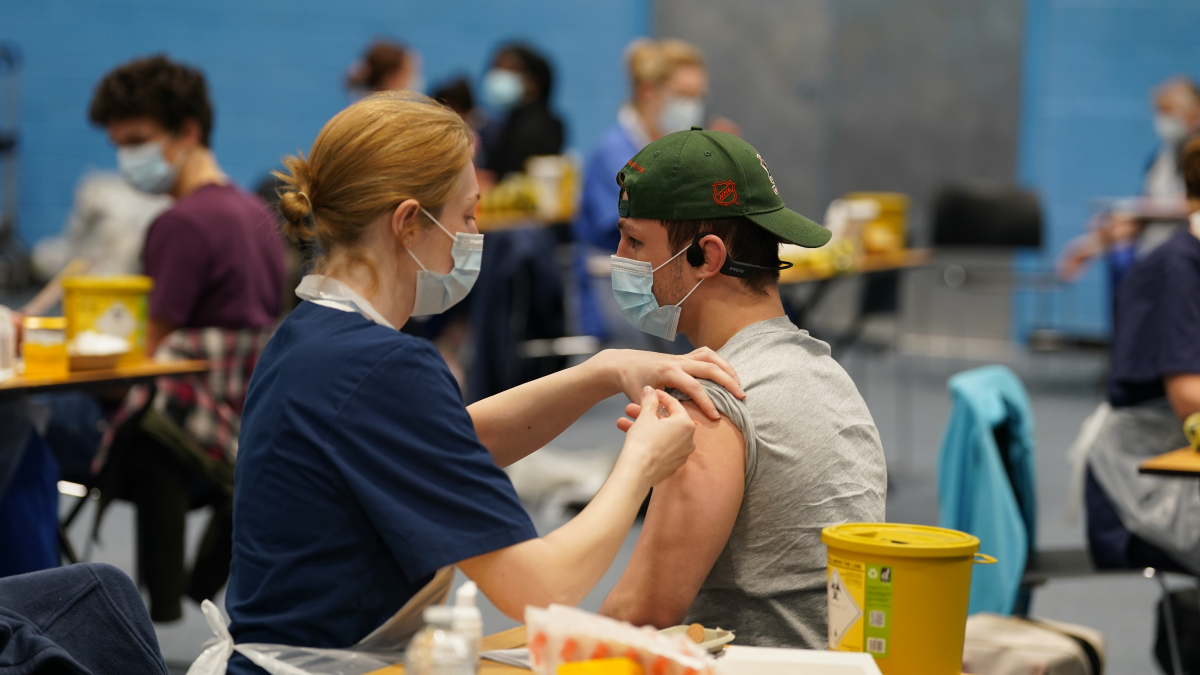
Doctors have been put on a “national alert” to be vigilant for signs of meningitis as a second university confirmed a case linked to the “explosive” outbreak in Kent.
Health officials also confirmed a further seven cases of the disease, taking the total confirmed and under investigation to 27, after the deaths of Juliette Kenny, a Faversham grammar school pupil, and a 21-year-old University of Kent student.
The outbreak has spread to Canterbury Christ Church University, which confirmed that one of its students was ill, four schools in Kent and one student at a higher education institution in London.
The case in London is believed to be linked to Escape Studios, an animation, games and special effects school in North Greenwich. It confirmed that one of its students had contracted meningitis but was “now recovering well.”
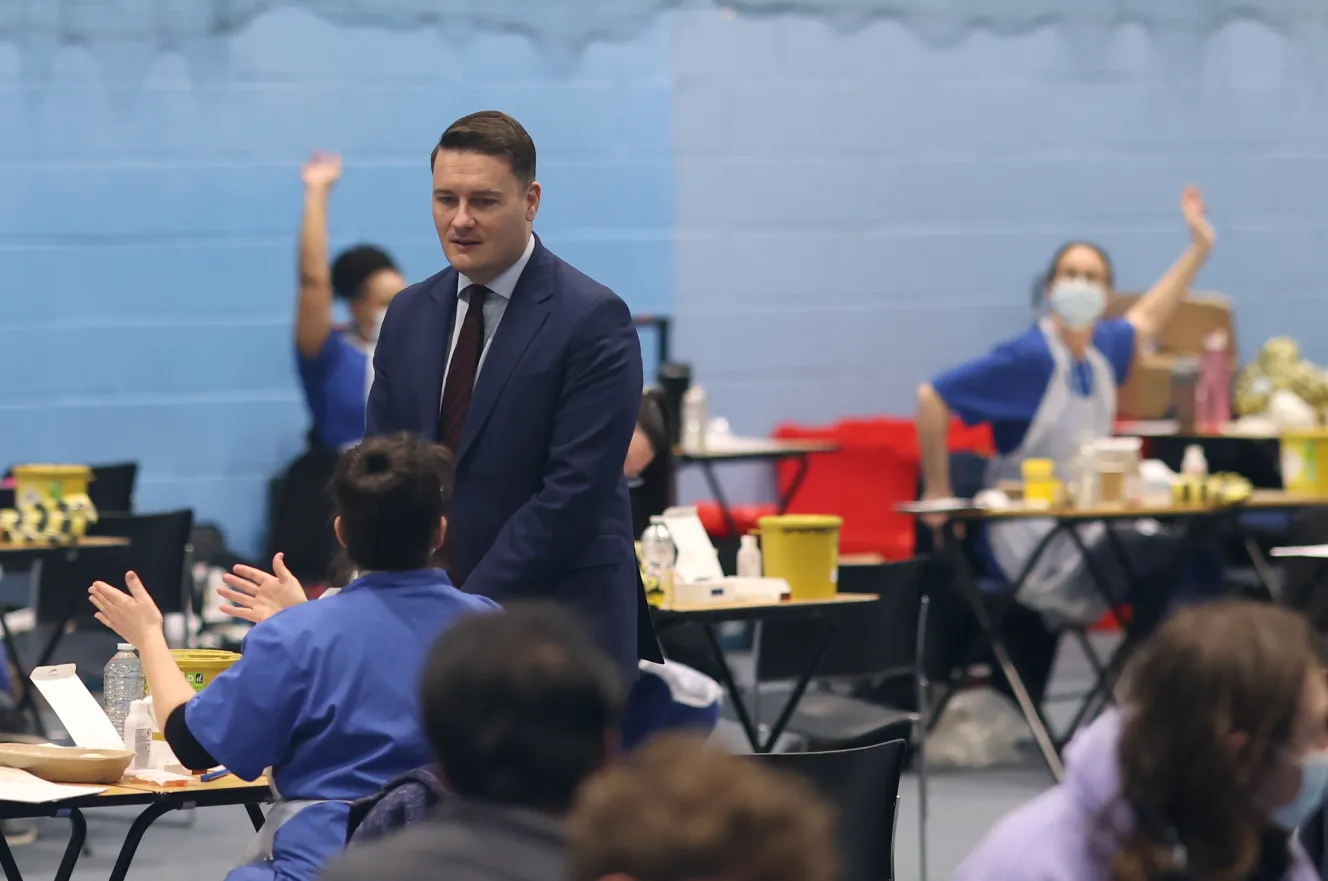 Wes Streeting, the health secretary, visited the University of Kent on ThursdayDan Kitwood/Getty Images
The UK Health Security Agency (UKHSA) issued a rare national public health alert for NHS staff in England, saying the illness was “severe with rapid deterioration”. Doctors were urged to have a “high index of suspicion” towards patients aged 16 to 30 “with consistent signs or symptoms”.
The cases have been linked to superspreader events involving students sharing vapes at the Club Chemistry nightclub in Canterbury on the evenings of March 5, 6 and 7.
One student at the club on March 5 said a normal night involved “vape sharing, kissing, everybody huddled together” on a dancefloor so packed you could “barely move”.
Health officials have described the outbreak as “very unusual”, raising the prospect that the bacteria may have evolved to aid transmission.
Professor Robin May, chief scientific officer of the UKHSA, told BBC Breakfast: “You would expect to see sporadic cases of meningitis, typically individual patients. Most days, actually, we would see one in the UK. This is obviously a much larger number. What is particularly remarkable about this case, and unexpected about this case, is the large number of cases all originating from what seems to be a single event.
“There are two possible reasons for that. One is that there might be something about the kind of behaviours that individual people are doing. The other possibility is the bacteria itself may have evolved to be better at transmitting.”
Some students who were exposed in the nightclub travelled elsewhere when they became ill. This included a case in France. The French health ministry said it was told on Thursday last week that meningitis had been identified in a person who had recently returned from the UK. It said the person was taken to hospital in a “stable condition”. It appears, however, that the ministry took two days to inform UK officials.
No other cases linked to the UK outbreak have been reported in France. The ministry added: “The situation is being followed carefully by French health authorities in connection with their British counterparts.”
Wes Streeting, the health secretary, said the number of cases “may well” increase, adding that “the pace and extent of the spread” was unprecedented. On Wednesday night the Department of Health said that students from the university halls in Canterbury who have now left campus will be able to get a MenB jab from their GP.
Queues formed yesterday at the Kent University campus as 5,000 doses of MenB vaccine were delivered, with 630 administered by nurses.
Hundreds of students have already returned to their parents. One student said the Kent campus was a “ghost town”. Streeting said he was not concerned about the illness being spread further because the disease was caught through “close, personal contact … like kissing, sharing drinks or vapes”.
Doctors have been advised to give antibiotics and vaccines to students who went to the nightclub but returned home. Meningitis is less infectious than Covid, flu or measles so people who might have been exposed to the bacteria do not need to be quarantined.
Several students queueing for vaccines said the university’s response to the outbreak had been too slow. Many learnt of the problem while watching the Sunday evening news, though the first students fell ill on Thursday.
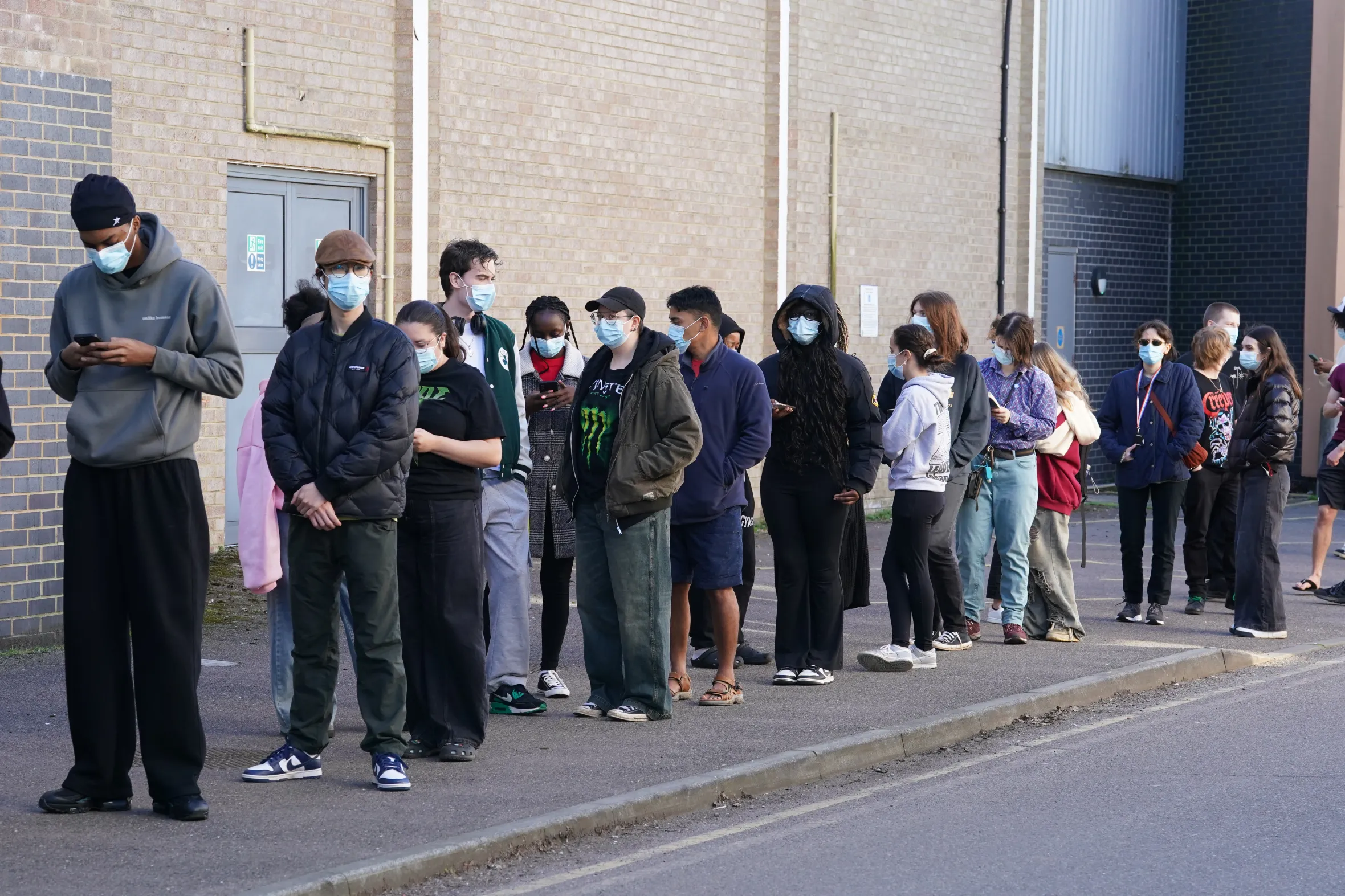 Students wait in line for vaccines outside the sports hall at the University of Kent campusGareth Fuller/PA
Jake Farris, 37, a postgraduate mathematics student, said there had been “extreme frustration” at the speed of information from university officials.
“I, along with a lot of people I’ve talked to, were really annoyed that we found out from a national news article,” he said. “When the BBC posted their article Sunday night, that’s when the majority of people, I’ve talked to — students, faculty staff — found out.”
One medical student, who preferred not to give her name, said she was the only one in her flat of five still at the university. “It was just shocking,” she said.
“I’m really upset about how we only found out once the students have passed away. I just really wish that we had heard when the first case even was reported.”
Tyler Ramsden, 18, said the past few days had been scary because “everyone’s been staying in their rooms”.
“I’ve seen on TikTok that lots of students have gone home to their families,” he added. “And there’s the worry they will spread it to their relatives.”
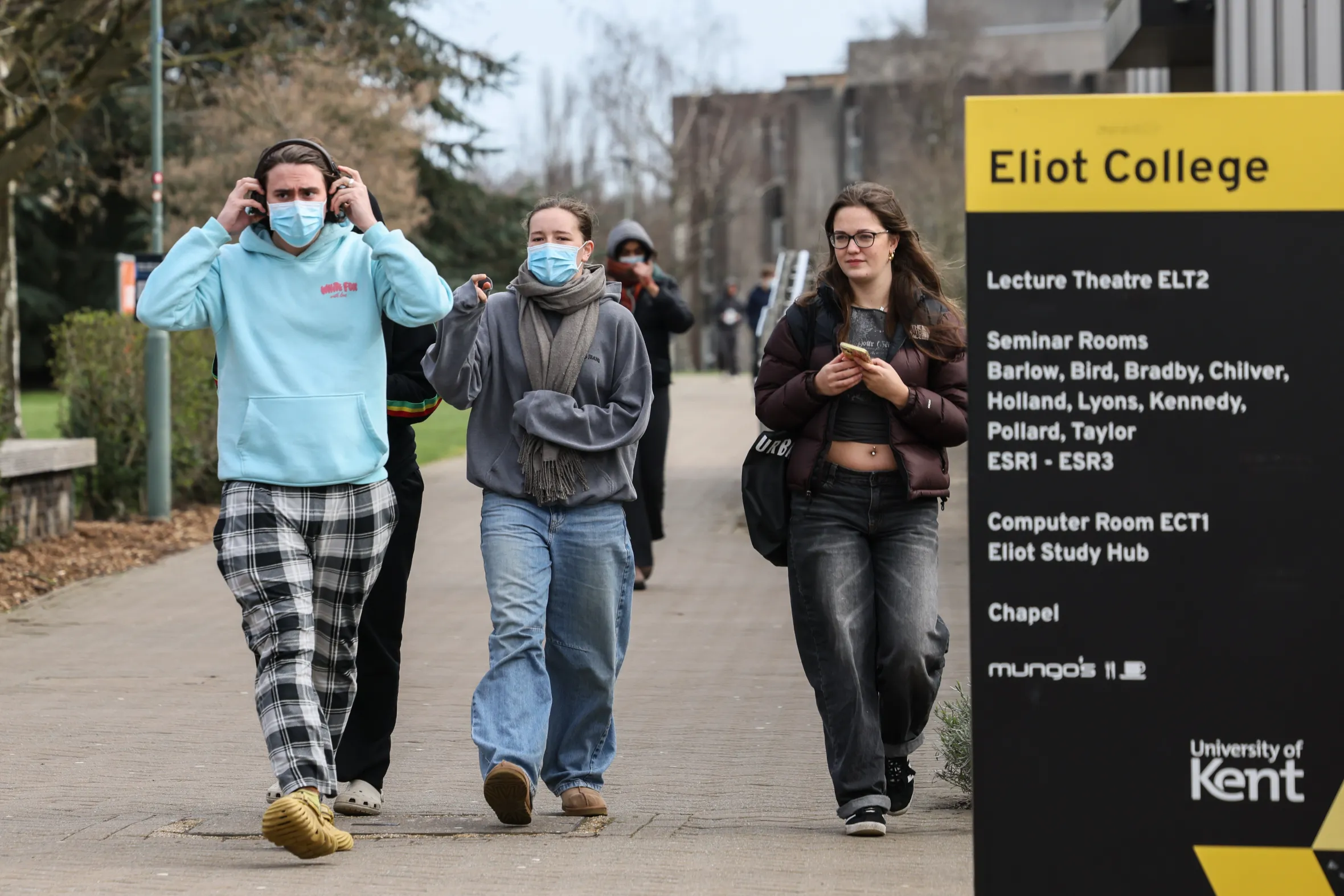 An emergency vaccination programme for 5,000 students living in halls at Canterbury is being launched JACK TAYLOR FOR THE TIMES
Tracey Atkins, 52, the mother of a student, said it was “frustrating that there was a delay in getting information to parents”. She added that, before the vaccination programme was launched, she had tried to book a private appointment to get the injection but none were available.
The MenB vaccine is currently offered only to babies on the NHS but it is available privately for about £110 a dose. Private pharmacies, including Superdrug, say they have run out of stock due to a “national shortage” caused by the surge in demand.
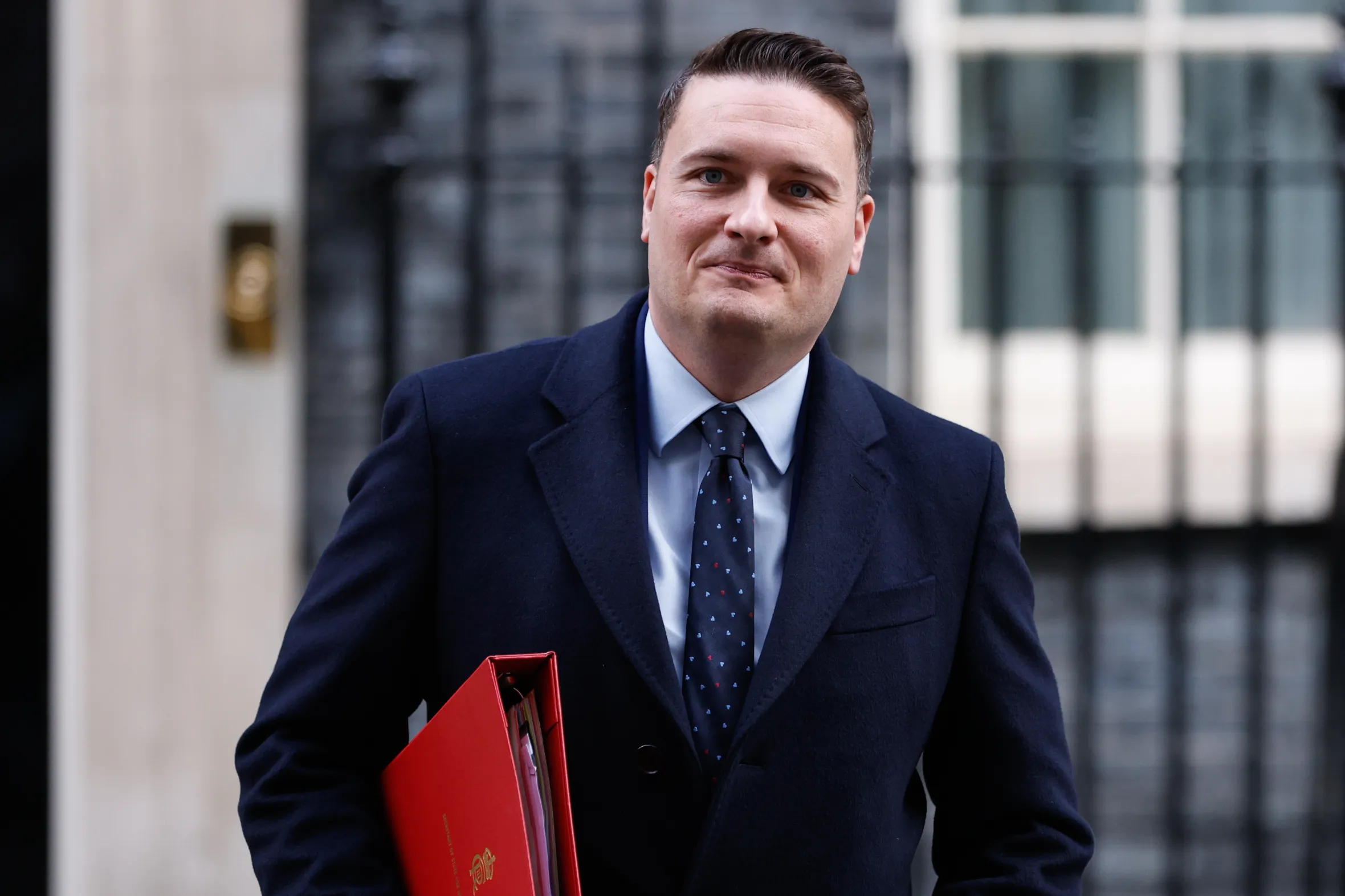 Wes Streeting said that the NHS had an adequate supply to vaccinate affected studentsDAVID CLIFF/EPA
Streeting said it was “not necessary” for worried parents or students to buy the vaccine privately. He added that the NHS had an adequate supply to vaccinate affected students.
Anyone who went to Club Chemistry is being offered antibiotics, which cut the risk of developing meningitis by 90 per cent. The vaccine provides longer-term immunity.
Professor Brendan Wren, of the London School of Hygiene and Tropical Medicine, said: “It can take a few days for your immune system to respond to the vaccine and over a week to be protective. Vaccines are not antibiotics that can kill bacteria within hours.
“The vaccine is not an instant solution. Sensible socialising and hygiene measures should be continued for at least a week. There is no harm in taking the vaccine.”