
Home » AIRLINE NEWS » New Zealand Joins United Kingdom, Germany, France, Switzerland, Fiji, and More Countries in Unprecedented Flight Cancellations Amid Middle East Conflict as British Airways, Lufthansa, Air France, KLM, Swiss ,and Others Suspend Services
Published on
March 23, 2026
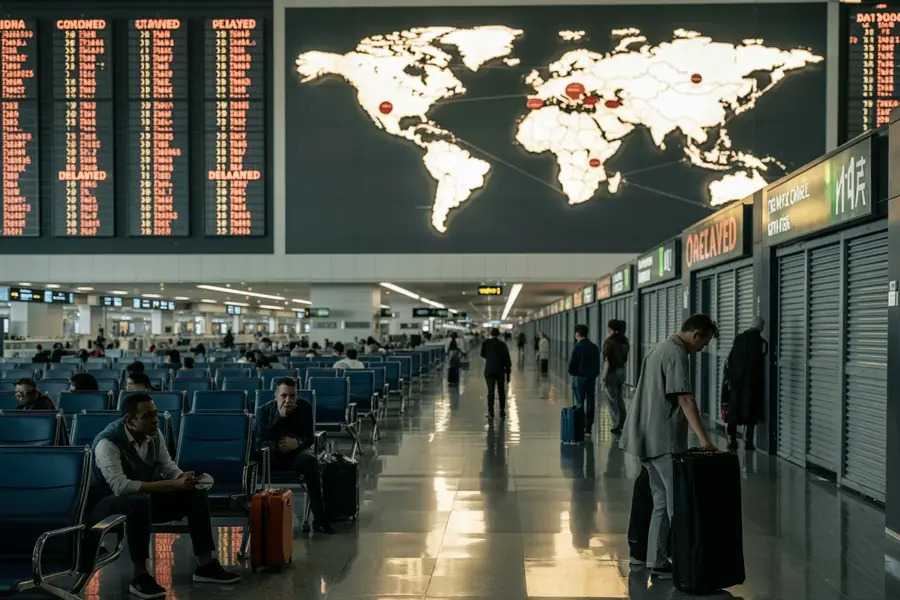
Image generated with Ai
In an unprecedented move, New Zealand has joined a growing list of countries, including the United Kingdom, Germany, France, Switzerland, and Fiji, in halting flights amid the ongoing Middle East conflict. This decision, made by several major airlines such as British Airways, Lufthansa, Air France, KLM, and Swiss, comes as security concerns rise in the region. The suspension of services reflects mounting pressure on the global aviation industry, which is grappling with the uncertainty brought on by escalating tensions. New Zealand’s participation in this wave of cancellations marks a significant shift in international travel, highlighting how the conflict is reverberating beyond the Middle East, impacting air travel schedules worldwide. The decision underscores the growing concerns for passenger safety, operational disruptions, and the broader geopolitical landscape’s effect on international aviation.
Zealand’s tourism industry is grappling with significant disruptions, as top UK and European airlines suspend flights to the country due to escalating tensions in the Middle East. Beginning on March 22, 2026, major carriers announced widespread cancellations, affecting over 47,000 passengers scheduled to travel to New Zealand in the coming months. This marks one of the most significant setbacks for Zealand’s tourism sector in over a decade, with many travelers from the UK and Europe unable to reschedule their trips in the short term.
The airlines attribute these cancellations to heightened security concerns. Flights originally scheduled to fly through traditional Middle Eastern airspace now face rerouting through alternative, longer routes, adding up to 14 hours to journey times. As a result, New Zealand’s tourism sector has seen a 34% increase in booking cancellations since mid-March, with no clear recovery timeline in sight.
Suspension of Key Routes from Europe
Several leading airlines have suspended services to New Zealand, citing security risks. British Airways and Lufthansa both halted flights between London Gatwick (LGW) and Frankfurt (FRA) to Auckland (AKL) on March 21, 2026. Similarly, Air France temporarily suspended its Paris Charles de Gaulle (CDG) to Wellington (WLG) route. These suspensions have significantly impacted the flow of international travelers to New Zealand, with both airlines offering no immediate timeline for the restoration of services.
Advertisement
Advertisement
These carriers had previously operated a combined 68 weekly flights between Europe and New Zealand, catering to a large portion of European tourists. While the airlines have emphasized that the cancellations are temporary, they warned of long waiting lists—up to 120 days—for rebooking passengers. In response to the situation, Virgin Atlantic and KLM announced new routing through hubs in Asia, such as Singapore and Bangkok. However, these reroutes involve substantial layovers and higher costs, further complicating travel plans for many passengers. Swiss International Air Lines has also suspended its Zurich to Auckland route, adding to the mounting uncertainty for travelers. Some airlines are cautiously optimistic, projecting partial service resumption by June 2026, contingent on security conditions.
Strain on New Zealand’s Tourism Operators
The ripple effects of these flight disruptions are being keenly felt across New Zealand’s tourism industry. Key destinations like Auckland, Rotorua, and Queenstown are reporting a surge in cancellations, with some major hotels seeing reservation drops of up to 45%. The disruption is not only hurting accommodation providers but also tour operators, many of whom rely on European visitors for their business.
Advertisement
Advertisement
Tourism agencies in the UK and Europe are facing significant frustration from customers, with travelers upset over inflexible cancellation policies and limited refund options. Additionally, adventure tourism operators in New Zealand, particularly those targeting European travelers, are facing staffing adjustments in response to the decline in bookings. Scenic flight operators, especially those in popular areas like Milford Sound and Queenstown, have canceled or delayed services well into April. However, domestic tourism and traffic from the Asian market have remained more stable, offering some relief to New Zealand’s overall tourism landscape. Airlines have confirmed that they will continue to offer services through East Asian hubs, though with extended travel times and higher fares due to the rerouted flights.
Flight Status and Tracking Updates
As disruptions continue to unfold, travelers are advised to track their flights using flight-tracking platforms for real-time updates on their scheduled departures. These services provide live tracking of flights that are rerouting due to the Middle East situation, helping passengers stay informed about any changes to their journey. Travelers should also set up notifications via airline apps to receive immediate alerts about cancellations or delays.
It’s recommended that passengers contact their airline’s customer service directly to confirm the status of their flights, as social media channels may not provide reliable or up-to-date information. Most carriers have established dedicated hotlines to assist with flight changes due to the conflict and are extending customer service hours. Email confirmations for any rebooking or cancellations are crucial, as they will be necessary for compensation claims under passenger rights regulations.
Passenger Rights and Compensation
Under EU regulations, affected passengers are entitled to compensation for flight cancellations or delays that exceed three hours, provided the airline is at fault. However, in the case of force majeure events, such as airspace closures due to military activity, airlines may be exempt from compensation obligations. Nonetheless, carriers are still required to offer rebooking or refunds as baseline remedies.
For UK travelers, protections under similar frameworks still apply, even post-Brexit. Passengers are advised to document all communications with their airlines regarding cancellations and delays. They should file formal complaints with relevant aviation authorities within the prescribed timeframes, as airlines must either rebook passengers on alternative flights or offer full refunds. Those traveling in premium cabins are also entitled to meal vouchers, accommodation, and ground transportation during rebooking delays.
Alternative Destinations Gain Popularity
With New Zealand’s routes disrupted, travelers are increasingly redirecting their plans to other South Pacific destinations. Australia, Fiji, and Samoa have seen a surge in bookings as displaced travelers look for alternatives. Industry reports indicate that a significant portion of canceled New Zealand bookings are being transferred to these competing destinations. Australia, in particular, has seen a notable rise in bookings for flights to Sydney and Melbourne between March and May 2026.
Tourism boards in Australia and Fiji have launched aggressive marketing campaigns targeting European tourists affected by the New Zealand flight suspensions. However, experts in New Zealand’s tourism industry remain confident that the country’s market will stabilize in the long term, especially as rerouted flights via Asian hubs keep interest in the region alive. Many long-haul tour operators are adjusting their itineraries to focus on later dates in 2026, hoping the geopolitical situation will resolve and flight schedules will normalize by the summer season.
Outlook and Recovery Timeline
The outlook for New Zealand’s tourism sector depends heavily on the Middle East security situation and its impact on international air travel. Airlines anticipate a gradual resumption of service by May or June 2026, depending on the evolving geopolitical conditions. Ongoing discussions between New Zealand aviation authorities and industry groups are focused on adjusting flight schedules and managing passenger flow to minimize disruption.
Despite the challenges, industry experts believe New Zealand’s tourism sector will recover once services are restored, though it may take several months for confidence to return fully. Airlines have the capacity to resume services relatively quickly once the security situation stabilizes, but industry insiders predict that it will take 4-6 months for the sector to bounce back completely.
Key Data: Affected Airlines, Routes, and PassengersAirlineDeparture HubDestination AirportSuspended Flights (Weekly)Affected PassengersExpected RestorationAirline 1Departure Hub 1Destination 11814,200June 2026Airline 2Departure Hub 2Destination 21612,800June 2026Airline 3Departure Hub 3Destination 3129,600May 2026Airline 4Departure Hub 4Destination 4107,400June 2026Airline 5Departure Hub 5Destination 586,200June 2026Airline 6Departure Hub 6Destination 642,800June 2026Total ImpactMultiple HubsNZ Airports68 per week47,000 totalMay-June 2026What Travelers Should Do Now
Passengers with bookings to New Zealand are encouraged to take immediate action:
Confirm your flight status by contacting your airline directly within 24 hours. Ensure you receive written confirmation for cancellations to support compensation claims.File compensation claims if eligible, according to passenger rights regulations for delays and cancellations.Request rebooking or refunds for alternative flights through Asian hubs, confirming that the airline covers any additional costs.Review your travel insurance for coverage on conflict-related issues, as some policies may exclude such situations.Monitor flight tracking services for updates and set automatic notifications.Reschedule for later dates (June-July 2026) to allow enough time for flight recovery.Contact accommodation and tour operators to negotiate flexible rebooking options or credit for future use.
New Zealand has joined countries like the UK, Germany, and France in suspending flights as major airlines, including British Airways, Lufthansa, and Air France, halt services amid the escalating Middle East conflict. The suspensions are driven by growing security concerns and operational disruptions in the region.
These proactive steps will help minimize disruptions and keep travelers informed during this challenging period.
