
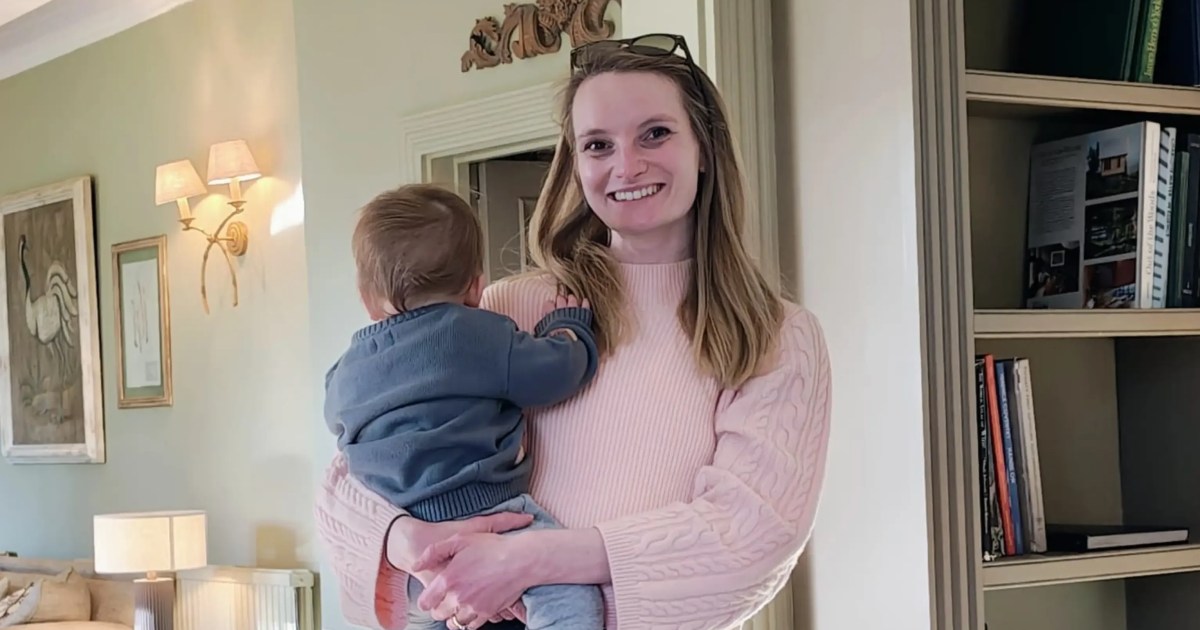
Research has uncovered the scale of nursery illnesses that plague families (Picture: Rachel Moss)
When my son first started nursery, we were called to pick him up early eight times in 10 weeks.
As I sat in meetings, determined to prove I could still do my job after 10 months of maternity leave, my stomach would drop when the nursery number flashed on my phone.
During those first weeks of childcare we were hit by a brutal mix of norovirus, conjunctivitis, hand foot and mouth, colds, coughs, and norovirus again. And though ours may have been a particularly unlucky run, it’s not uncommon for new parents to need time off work just as they return to the office.
New research from University College London suggests an otherwise healthy child starting nursery aged one will experience around 18 illnesses in their first year.
This includes 12–15 respiratory infections, two gastrointestinal illnesses (diarrhoea and vomiting), and one or two rash-causing infections, which, as the study notes, will ‘have a substantial knock-on effect for working parents’.
Nothing could have prepared me for the emotional toll. The physical ache of wanting to hold my poorly boy brought me close to handing in my notice — bills be damned.
We got through it by sharing time off equally as much as possible and begging the grandparents for help. I hid the worst of it from my team and manager, working late nights and early mornings to mask any shortfall, all while fighting off illnesses myself.
To be clear, nobody asked me to do this, but nobody told me how to handle the situation, either. NCT prepares you for birth, health visitors help with the first year, then it all goes…a bit quiet.
‘Honestly this is the sort of shit no one tells you about parenting,’ reads one of the many Reddit comments on the subject. ‘You have to uncover it “on the job” … it’s an extremely stressful and lonely place to be at times.’
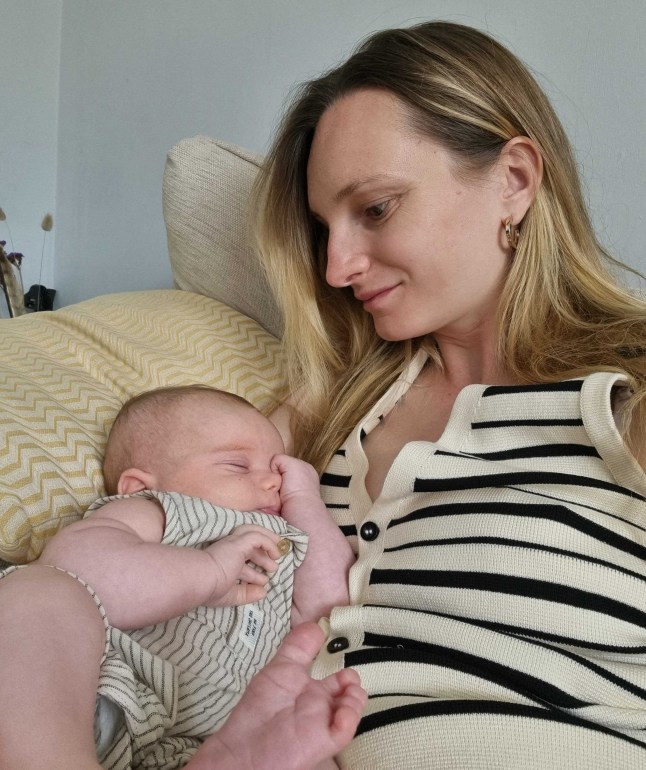
Lifestyle Editor Rachel on maternity leave with her son (Picture: Rachel Moss)
Anna Whitehouse, founder of Mother Pukka and the Flex Appeal campaign, has experienced the ‘relentless nursery calls’ with her three daughters, now ages one, eight and 12.
‘It’s almost like the minute you feel lucky enough to have got a place in a childcare setting – and it’s a bit of a bunfight with waiting lists of six months to two years for that – you almost then completely forget about the tsunami of sickness bugs, norovirus and flu coming,’ the 44-year-old, from Hertfordshire, tells Metro. ‘I was completely debilitated by it.’
The part nobody talks about, she says, is the heart-wrenching toss-up between ‘head or heart’ — deciding whether to send your child to nursery at the first sign of illness.
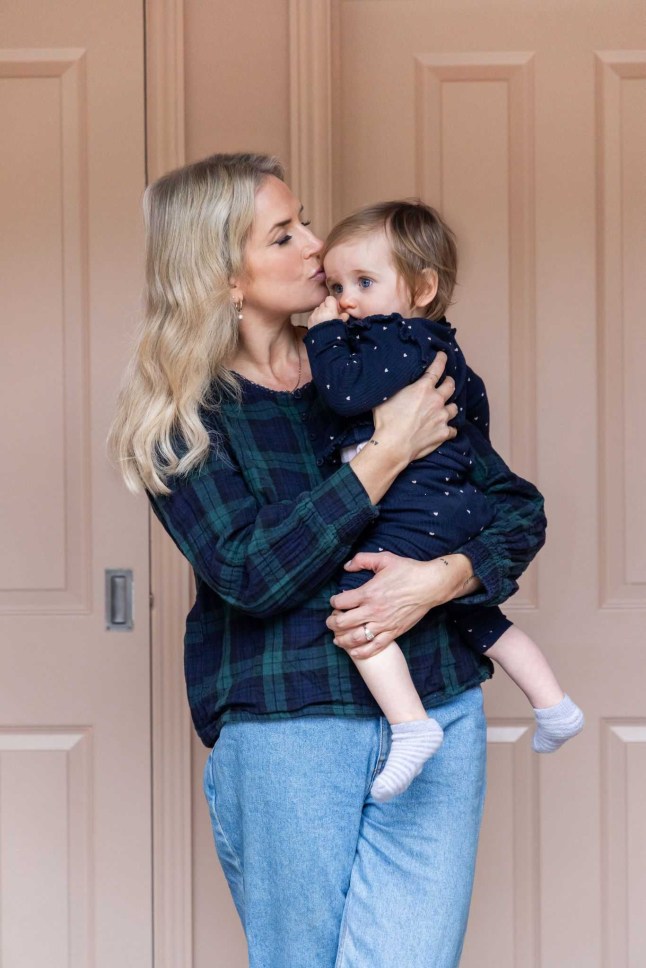
Mother Pukka founder Anna Whitehouse with her youngest daughter (Picture: Supplied)
‘There’s this deep-rooted pain and anxiety of your child being on the edge of not being very well, and thinking, do I administer this Calpol in the hope that she can get in? Because I’m so worried about my boss thinking I’m skiving or slacking in some way by having to look after my own child.
‘What we don’t talk about is the silence, the quiet around those decisions where you’re almost prioritising going to an office over temperature symptoms from your own child.’
Although parents have a legal right to time off when children are ill, whether that time is paid is at the employer’s discretion.
This creates a grey area, forcing parents — particularly mothers — into awkward conversations about policy or to use annual leave just after returning to work.
‘There’s been such a deliberate misunderstanding of what it is to work and parent, the conversation often centers around, “well, you chose to have children”, like having kids is a recreational side hustle or a hobby, like I’ve taken on a guinea pig,’ says Anna.
‘I think what is often lost, in blunt terms, is “no, I’m raising the employees of your future company. I’m raising children who are going to be paying for your pensions.” Continuing to raise the next generation is fundamental. It’s a second shift, a double job.’
Parents working in England’s stretched public services can feel even more torn.
Maria Culley, a nanny since 2012, mainly cares for the children of frontline workers ‘who just can’t take time off easily’.
The 37-year-old says she often receives requests from NHS staff whose children have been sent home from nursery.
‘I’m part of this massive Whatsapp group where there’s parents asking daily, “does anyone know who can cover this?”’ she tells Metro.
‘If they take time off work it impacts multiple people, not just staff-wise, but planned operations and procedures can’t go ahead.’
She says she ‘absolutely’ sees the emotional conflict.
‘Most people that work in the NHS, they’re in a caring role, so they take that job seriously. It’s really a pull of professional love and professional care in their role, and the love and care to their child as a parent. It pulls them from both sides.’
Rachel Grocott, CEO of Pregnant Then Screwed, points out that in heterosexual partnerships it’s women who still ‘disproportionately take on childcare, especially when children are ill’.
‘It’s yet another way the motherhood penalty shows up,’ she says, citing reduced hours, reduced visibility in workplaces and reduced pay. The latest ONS stats show five years after the birth of their first child, women’s monthly pay is reduced by 42%.
‘[There’s] a subtle but very clear judgement that mums are somehow less committed or capable,’ she tells Metro. ‘This is something we’ve heard repeatedly over the last decade of supporting working mums.’
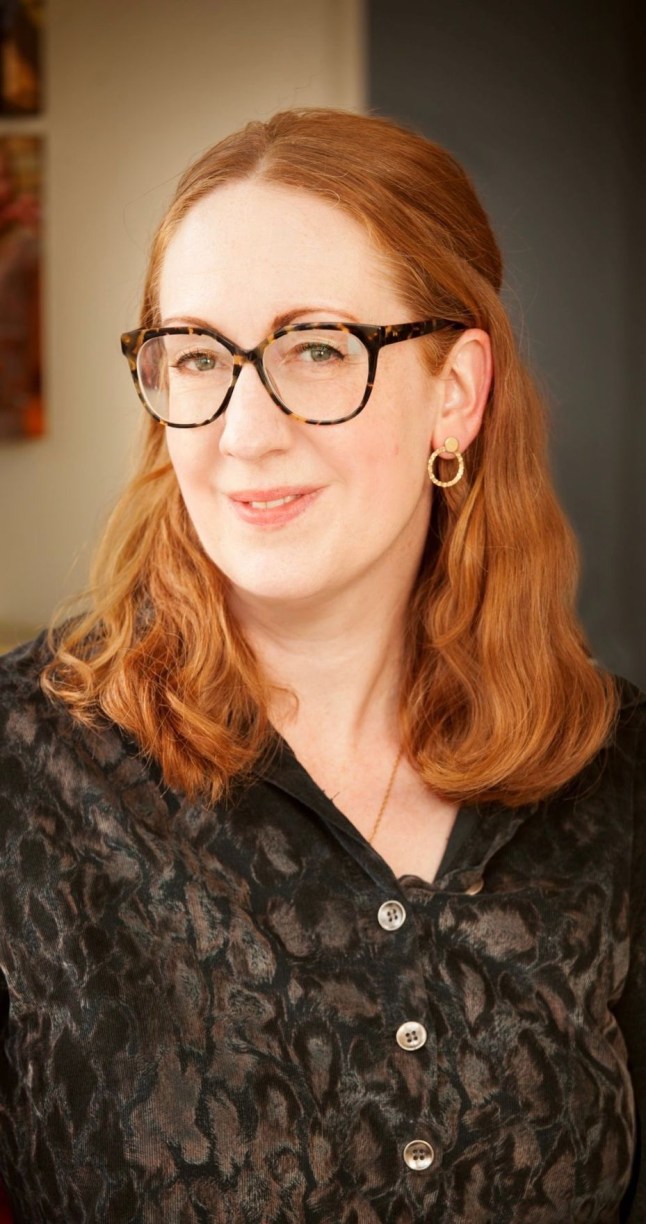
Rachel Grocott, CEO of Pregnant Then Screwed (Picture: Supplied)
Anna would like to see clear policies on child sickness written into contracts, ideally mirroring employee sick pay — or at the very least, genuine flexibility.
Rachel agrees, arguing employers are ultimately ‘repaid’ with loyal staff ‘more likely to stay committed to a role’.
‘It is a reality of life that children need to be cared for when they’re ill, and parents need to be supported, not penalised, in providing this care,’ says Rachel, who’s mum to two children aged seven and 11.
‘We need to acknowledge this reality, provide proper support to employees who are also parents, and challenge this dangerous stereotype – which is based on totally outdated gendered assumptions about the way care works.’
This week marks a year since I returned from maternity leave. For any parents currently in the trenches of weekly nursery calls, there is some reassurance: it does get (marginally) better.
One silver lining in the UCL findings is that children who attend nursery tend to have fewer illnesses later at school.
But as Anna points out, the conversation sparked by this research highlights how far the UK still has to go in supporting mothers who return to the workplace.
‘I’m just heartbroken for a generation of mothers who were told to reach for the stars, you can do anything or be anyone, and the reality is, you can’t,’ she says.
‘We are that transitional generation of mothers who are being caught in the crossfire of a working world that’s saying, “we want to close our gender pay gap, we want to support mothers in the workplace, here’s our Women’s Network, here’s our group discussing maternity rights within our organisation”, and yet when it comes down to it, the reality is we are faced with these utterly heartbreaking decisions weekly.
‘We can’t keep being put in these positions where our heart is being torn in two.’
Arrow
MORE: Meningitis cases rise to 34 while queues for vaccinations build up
Arrow
MORE: Dietician who blagged a senior NHS role didn’t even know where intestines were
Arrow
MORE: Ringworm is rife in gyms and barbershops — but many people don’t realise they have it
Comments
Add Metro as a Preferred Source on Google
Add as preferred source