
Why is Trump getting involved?
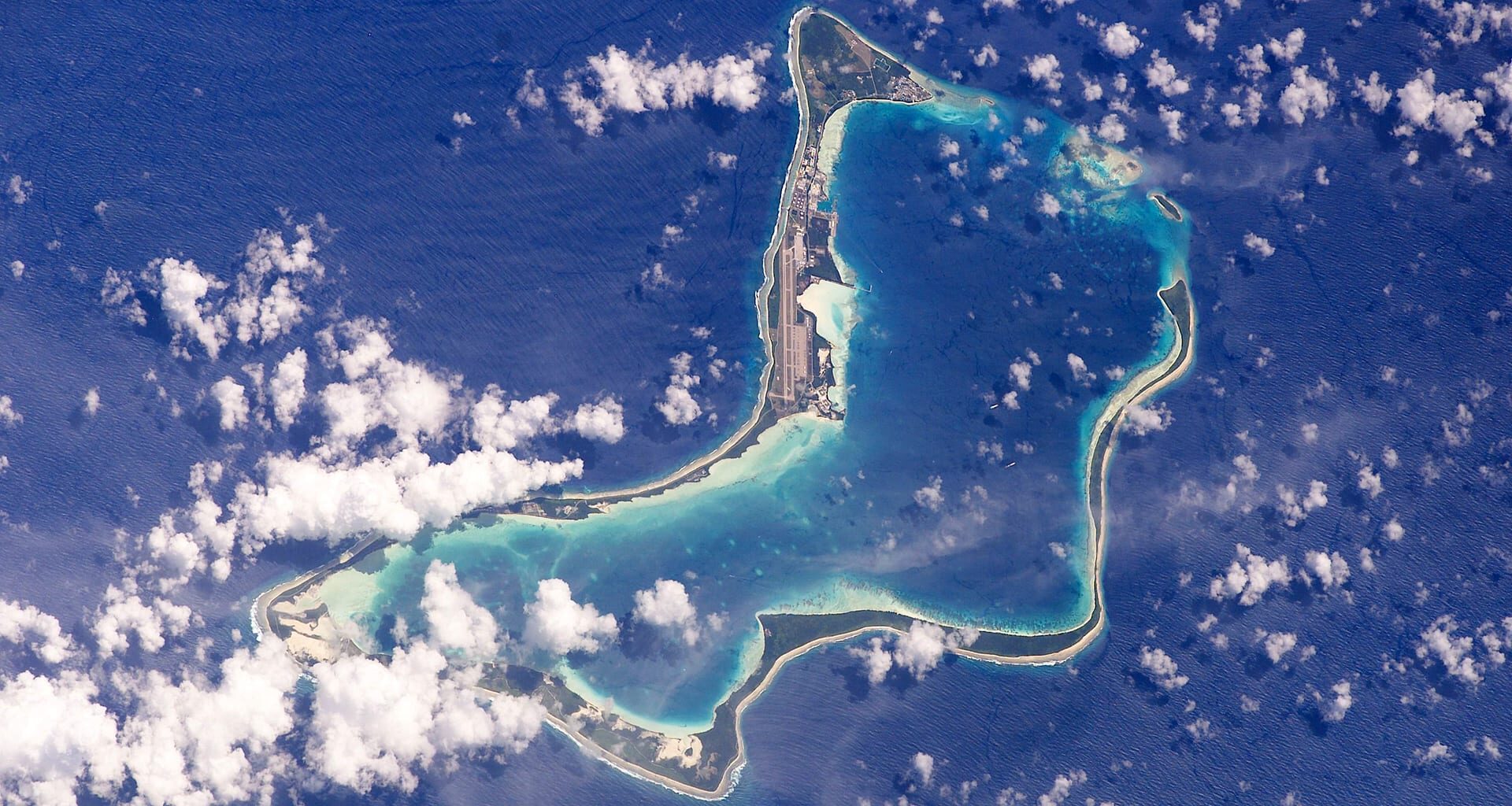
While the military base on Diego Garcia is jointly held, it is primarily operated by roughly 2,500 U.S. personnel. It also hosts some of the world’s most advanced military and logistical equipment, including B-52 bomber aircraft, radar installations, and fuel storage facilities. The United States heavily relied on the base for air and maritime operations during the two Gulf Wars and in the wake of the 9/11 attacks.
Trump has emphasized the need for U.S. military installations abroad. Some experts, including Peter Harris, a Colorado State University professor who has studied the Chagos Islands for nearly two decades, think another primary reason for the recent disagreement is due to Trump’s desire for leverage over the UK after Starmer opposed his bid to acquire Greenland.
“His opposition has got nothing to do with U.S. national interests,” Harris told CFR. “The U.S. national interest is crystal clear, and that is to get legal access to the base in perpetuity, for one hundred years, and have somebody else pay for it.” Trump’s frustrations with Starmer resurfaced when the UK initially refused to let the United States use Diego Garcia and British bases to strike Iran, fueling his desire to block the deal.
Trump claims that the UK’s pending return of the islands to Mauritius is “another in a very long line of National Security reasons” why the United States should have control of Greenland, but he did not explain his rationale for this statement.
How does the deal affect the United States’ security?
Since the start of the U.S.-Israeli war with Iran, Trump has made clear he intends to use Diego Garcia as a proximal defensive measure against potential attacks by “a highly unstable and dangerous Iranian Regime.” Citing legal concerns, the UK did not permit the United States to use Diego Garcia or any other UK air bases in its initial February 28 strikes on Iran, to Trump’s dismay. The next day, Starmer allowed the U.S. military to rely on UK bases, including Diego Garcia.
While some experts point out that the islands could be important for U.S. strategy in the war, “the president’s objection is about the sovereignty of small countries, not about military utility,” Baker said. In opposing the deal, Trump appeared to be “suddenly complaining about allies who were not consulted and are now being coerced to support a war of choice,” he added.
Other analysts note that Trump also seeks to counter China’s foothold in the Indian Ocean, citing Beijing’s bilateral relationship with Mauritius and its growing interest in strengthening its regional security presence [PDF]—a concern that some UK officials have disputed. Last February, the UK minister for overseas territories, Stephen Doughty, cautioned that China or Russia could build a spy base on Diego Garcia or the archipelago’s outer islands if the deal to cede them to Mauritius does not go through, as the UK would have no legal standing to “remove them.” Other experts have asserted that Mauritius’s close partnership with India would likely cull any Chinese efforts to build a presence on the islands.
Mauritius has not yet taken any action indicating its interest in giving China access to the islands—and the proposed deal would prevent this possibility. Meanwhile, China has not expressed explicit interest in the islands, though it did support Mauritius’s claims at the United Nations, and recent reports indicate that thousands of Mauritian officials have traveled to China for “specialized courses” ahead of the planned handover, with hundreds more set to receive training from Beijing.
What is the likelihood the deal goes through?
The British government wants to see the deal through to escape the spotlight of international scrutiny, experts say. “They want to bring themselves into alignment with international law,” Harris told CFR. “The U.S. administration understands that, too. It’s very difficult to run a military base that’s housed in an unlawful jurisdiction.”
Harris described the deal as “a win-win-win” for all three countries: Mauritius gets its land back, the UK gets out of murky legal waters, and the United States keeps access to its strategically located base.
But other experts, including Richard Ekins, a professor of law and constitutional government at Oxford University, point to the general nonbinding nature of ICJ advisory opinions as evidence that the UK doesn’t have to follow through. “We’re surrendering to the abuse of international adjudication—effectively letting an ICJ advisory opinion function like a binding adjudication—when the UK didn’t consent… and yet is having that sovereign right subverted,” he said in a recent interview.
Recent geopolitics aside, experts largely speculate the deal will pass through unscathed. It currently sits with the House of Lords in the UK Parliament, and will then require formal approval from King Charles III.
“I’m pretty confident it’ll go through,” Harris said, “but you can never be 100 percent certain.”