
Peter had repeatedly expressed his wishes repeatedly before he passed away. ‘If we had known the real situation, we would have considered other options.’
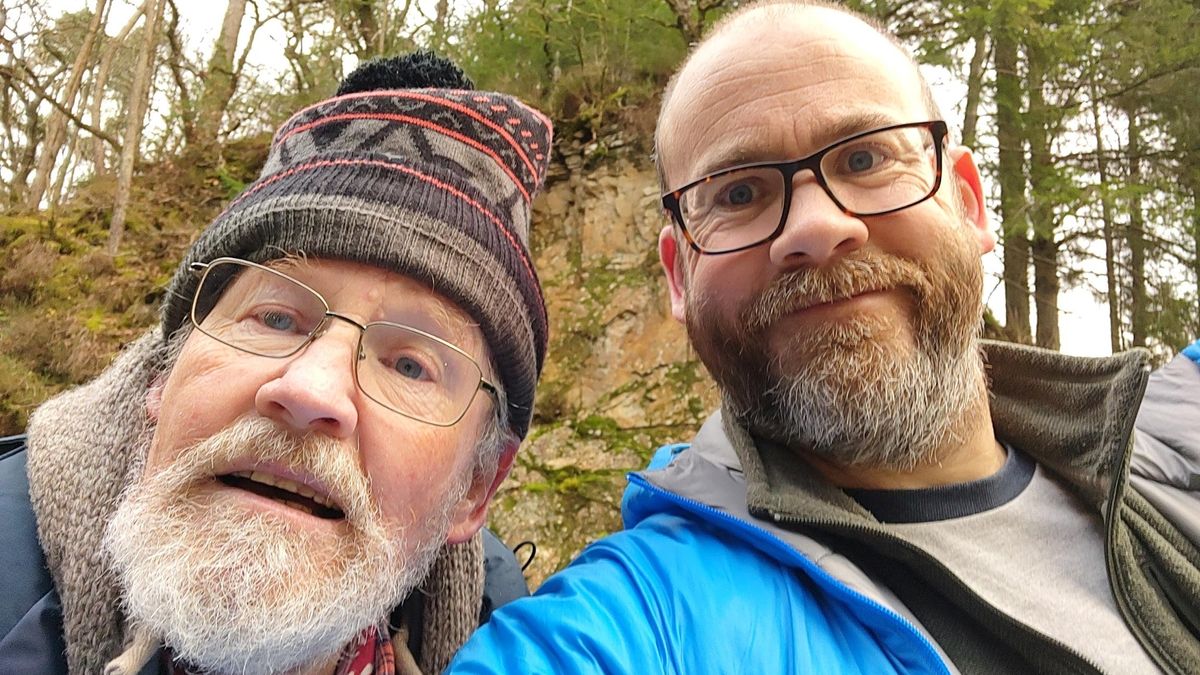
Matt Starling, from Cornwall, and his dad Peter who died without the end of life palliative care he needed(Image: Matt Starling)
The family of a man who died away from home against his wishes have spoken of his distressing end of life experience.
Matt Starling’s dad Peter had expressed his repeated wishes to go home and discharge plans were put in place to that effect. But weeks of delays followed as Peter deteriorated in hospital without specialist palliative care and he died while there.
Matt, from Torpoint, said: “The biggest thing for us was not being able to meet dad’s final wish. We kept promising him that we’d get him home as that is what we were being told would happen.
“If we had known the real situation, we would have considered other options – a care home perhaps. But we’d never really considered it because they kept saying we should be able to get him home today or tomorrow at the latest.
“They just couldn’t find anybody in the end to provide the care he needed and then time ran out for us.”
He added: “It’s only talking to people after the event, and even a couple of the staff on the ward, who said, ‘oh yeah, we know there aren’t any carers in that area’.
“But nobody had told us that while dad was still alive. So, despite having a hospital bed and equipment delivered and making the room ready at home, it never happened.”
The case of Peter Starling is sadly not unique but highlights how much palliative care is in crisis in the country, says the end of life charity Marie Curie.
It said that while its research shows almost one in three people are dying without the care they need, the Public Accounts Committee’s report last week has also found the country’s hospice sector is facing a serious and escalating financial crisis.
The charity, which found that about 170,000 people in England every year spend their final days in pain, distress or without vital support that should be available to everyone at the end of life, says work needs to be done urgently to stop the situation worsening.
The unmet need findings come from the first major study in over a decade to estimate unmet palliative care need among people at the end of life.
Findings show that almost one in three die with unaddressed symptoms and concerns, in pain or distress, and with little or no access to GP support, despite evidence that the right care would help.
Without urgent action to improve care, the situation will get worse, it claims, adding that unmet palliative care need is expected to rise by 23 per cent over the next 25 years, meaning that by 2050, over 212,000 people each year in England could die without the care they need.
Sam Royston, executive director of research and policy at the charity, said: “End of life care is in crisis, and the UK government’s response does not reflect the scale or urgency of the issue.
“Almost one in three people lack the end of life care they need, with many dying in pain or alone due to overstretched, underfunded services.
“A modern service framework is vital but must be backed by clear delivery and funding to bring real change.
“Shifting care from costly emergency hospital settings to the community is not just the right thing to do for people, it makes financial sense.
“Dying well should not depend on where you live or what you can give to a charity. It is a basic expectation that government has a duty to meet.”
The Government committed to publishing a ‘Palliative and End of Life Care Modern Service Framework’ in spring, now delayed until the autumn.
Marie Curie is urging the Government to include three essential commitments in the Modern Service Framework, and to back them with the necessary funding, so that everyone can access:
care at the right time: Ensure every community has round-the-clock advice and coordination – including through specialist telephone service with access to essential medicines when they’re needed mostcare available in a place close to them: palliative care being fully embedded in every neighbourhood health service in Englandquality support from all healthcare providers: compulsory palliative and end of life care training for all health and care staff, including GPs, paramedics, and emergency teams — so they feel confident supporting people towards the end of life.
Lucy Dowland, clinical lead for Marie Curie in the South West, said: “Hearing that so many people are going without the care they need in their final days is devastating.
“In the South West, we’re working with NHS partners to try to ensure as many people as possible are not left in this position.”
Marie Curie is inviting the public to support its Fix End of Life Care campaign and show the government how crucial change is. Visit mariecurie.org.uk
Want the latest Cornwall breaking news and top stories first? Click here to join CornwallLive on WhatsApp and we’ll send breaking news and top stories directly to your phone. We also treat our community members to special offers, promotions, and adverts from us and our partners. If you don’t like our community, you can check out any time you like. If you’re curious, you can read our Privacy Notice