
Romantic love is not just the stuff of fairy tales and wishes. It might explain why some societies have developed gender equality while others remain strictly patriarchal.
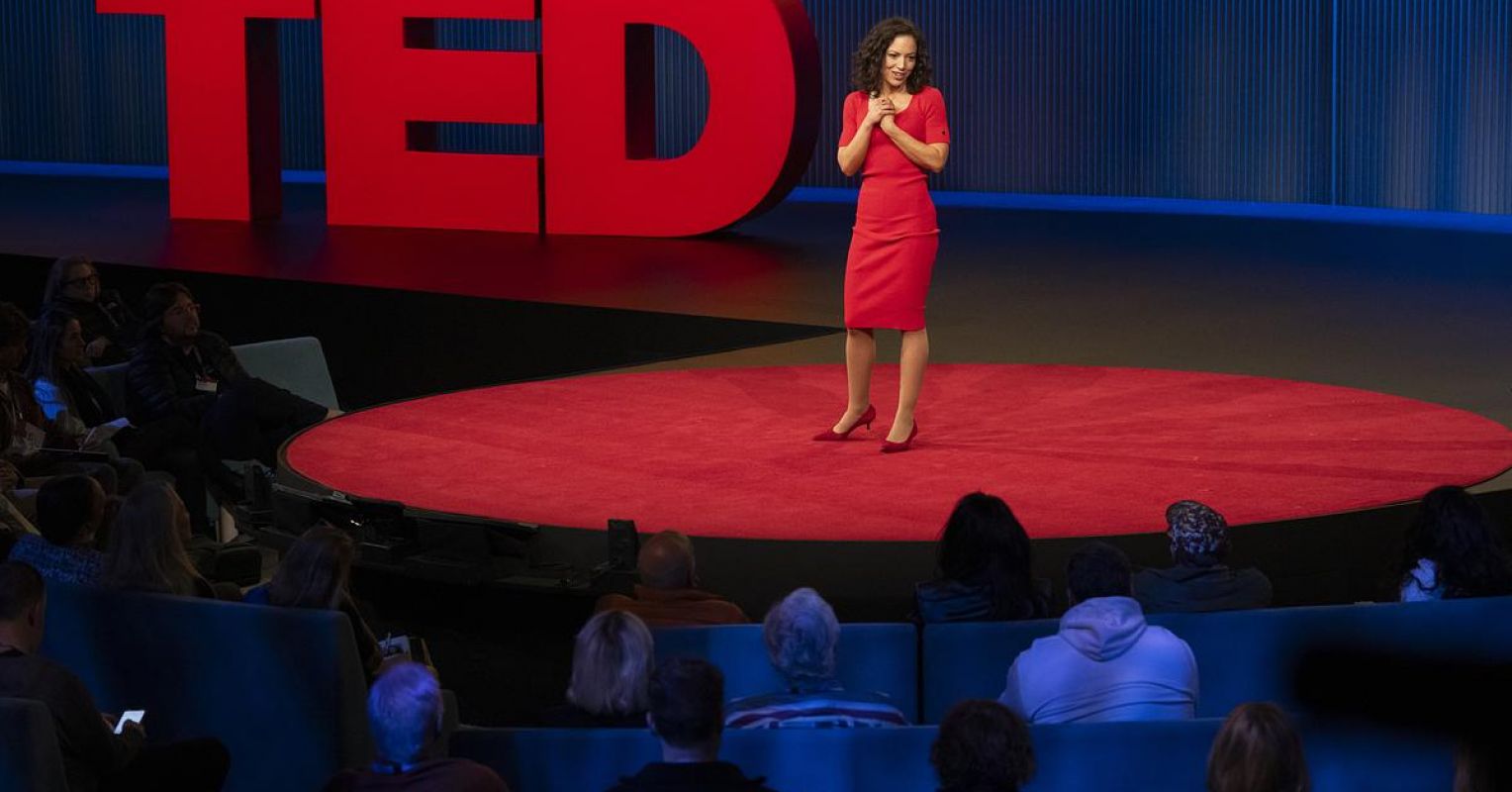
Alice Evans, Senior Lecturer in the Social Science of Development at King’s College London, told an audience at the annual TED conference in 2025 that love, though often dismissed as a private or trivial matter, has quietly and powerfully shaped social structures, female empowerment, and cultural evolution.
A century ago, virtually every institution on the planet—parliaments, courts, media, religion, and universities—was steeped in patriarchy. Men dominated public and private life, often assuming authority as not merely natural but moral. Since then, economic development, education, birth control, legal reforms, and feminist activism have generally been credited for the strides made toward gender equality. Evans proposes an additional, often-overlooked force: the transformative potential of romantic love.
Love as a Political Force
Feminism has long harbored a suspicion of romantic love and marriage, viewing them as an ideal and an institution historically used to subjugate women. Second-wave feminists, in particular, critiqued the “emotional labor” and other work women performed within marriage and warned against the social expectation that women find fulfillment through heterosexual romantic attachment. Love, in these frameworks, was often seen as a trap—seductive in its promises but ultimately reinforcing male dominance and female dependency.
There is, however, another side of the story—the emancipatory potential of love when it is based on mutual devotion and respect. Instead of undermining women’s ability to flourish, Evans argues, love can advance it. Men who deeply love their partners find ways to support them. And love is the “special glue” that binds men and women together “in empathy and understanding.”
Love’s Uneven Global Footprint
Evans embarked on a global journey to research how love manifests differently across cultures and across time, and how its acceptance—or suppression—shapes gender relations.
In Europe, romantic love began gaining social legitimacy in the 19th century through the work of women writers such as Jane Austen, George Eliot, and the Brontë sisters. Their novels celebrated women not as passive recipients of male attention but as discerning individuals worthy of respect and emotional depth.
Their fictional heroines inspired real-world expectations. Men began expressing their affection through heartfelt love letters, vowing to cherish their wives and support their well-being. In some cases, such love led to something tangible—like Alfredo di Lelio, who created the now-famous Fettuccine Alfredo to nourish his wife when she wasn’t eating well after childbirth.
In parts of the Middle East, North Africa, and South Asia, however, romantic love is stigmatized. And marriage based on love is often seen as a threat.
In Karachi, Bilal adored his wife, even building a dividing wall to provide some privacy from his parents on the other side of the house. But his devotion was viewed with suspicion. It was not just unusual. It was seen as subversive. What spell had she cast over him?
In contrast, Amal, a woman in the same city, suffered emotional and physical abuse from a husband who deferred completely to his mother, seeing marital loyalty as a betrayal of familial duty. Without the emotional bond of love, women in such systems are often unable to prevent abuse or even find support. In Pakistan, Evans notes, only 39% of women have a say in their own healthcare or household decisions. And 40% of men say wife-beating is justified.
Even in countries with high female employment, such as China, love can take a back seat to productivity. Economic growth has improved women’s public roles, but many marriages remain loveless. Women often manage housework alone and feel unsupported in pursuing personal dreams.
“But when love blooms,” Evans reports, “it proves transformative.” A woman named Chen described to Evans her experience with a husband who loves her. “He cares about my feelings. He cares about my job. He said, if it is your dream, then do it.”
Relationships Essential Reads
In Rwanda, where men are traditionally mocked and ostracized for prioritizing their wives over their male friends, one community eventually realized that it was the families of men devoted to their wives that flourished. Instead of belittling those men, they began applauding them.
When Love Disappears
In reframing love as a driver of gender justice, Evans challenges both conservative and progressive narratives. To those who dismiss love as irrelevant or regressive, she offers evidence that it can be revolutionary. And to those who cling to traditional roles, she shows how true devotion often requires breaking free from rigid hierarchies. Romantic love, in her account, is not a distraction from equality—it is one of its most powerful engines.
Across both Eastern and Western societies, however, young people are increasingly disengaging from romantic relationships. Marriage rates are falling, digital distractions are rising, and building lasting partnerships seems harder than ever. Paradoxically, just as societies have begun to embrace gender equality, the emotional connections that could help solidify it are eroding.
Far from being a sentimental detour, Evans’s exploration of love takes us to the heart of what it means to build a more just world, one in which emotional connection, mutual respect, and deep care are not luxuries but foundations.
Social scientists typically focus on the measurable, but “this omits something fundamentally human,” Evans says. “Rising numbers of young people are increasingly single, drifting apart. The special glue that once bound men and women together in empathy and understanding is dissolving.”
Love thrives, Evans says, when it is celebrated. And when love is allowed to flourish, it has the power to reorient not just relationships but society.
As Evans says, what the world needs now is love.