
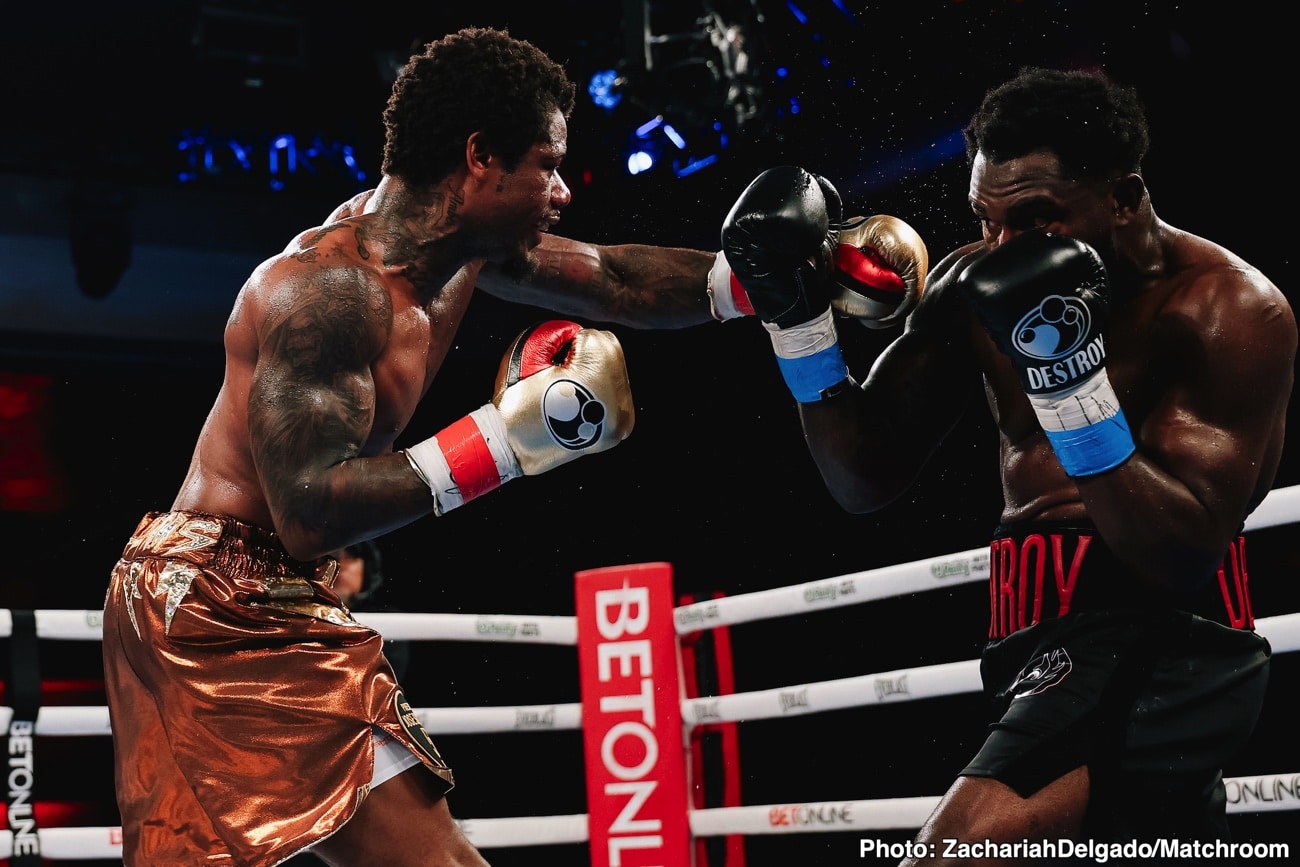


The bill sets a national minimum of $200 per round and requires at least $50,000 in injury coverage tied to bouts. This directly affects undercard fighters, where fighters often take fights on short money with limited medical protection.
Jack pointed to long-standing issues in the law. “The House of Representatives made history today by passing by voice vote landmark boxing legislation that will revive one of America’s greatest sports in the name of one of America’s greatest athletes,” he said. “Professional boxing is the only sport regulated by Congress, and ambiguity in current law — adopted over a quarter century ago — has affected boxers and limited investment.”
The Ali Act remains in place. The 1996 safety law is extended. The change comes with the system the bill allows.
Unified Boxing Organizations would operate alongside the current sanctioning bodies. Fighters would choose where to compete, with state commissions still overseeing events. That gives fighters another option, though it also adds another structure to a sport already split across multiple belts.
Lonnie Ali backed the bill and kept the attention on fighter protection. “Muhammad dedicated his life to fighting — not just in the ring, but for the dignity of every person,” she said. “Today’s passage in the House of The Muhammad Ali American Boxing Revival Act will continue to carry that legacy forward.”
She stayed on pay and safety. “Let me be clear, my support for this bill has been and will continue to be centered on ensuring fighters achieve real safety and health protections, are provided genuine economic protections and fair compensation for the sacrifices they make.”
Support has come from commissions, promoters, and major venues.
What this looks like in practice will depend on how those two systems handle purses, matchmaking, and access to meaningful fights. Fighters will follow the money and the clearer route.
The Senate now takes it up. If it passes, fighters will have another path to work through while sanctioning bodies continue to control the belts.