
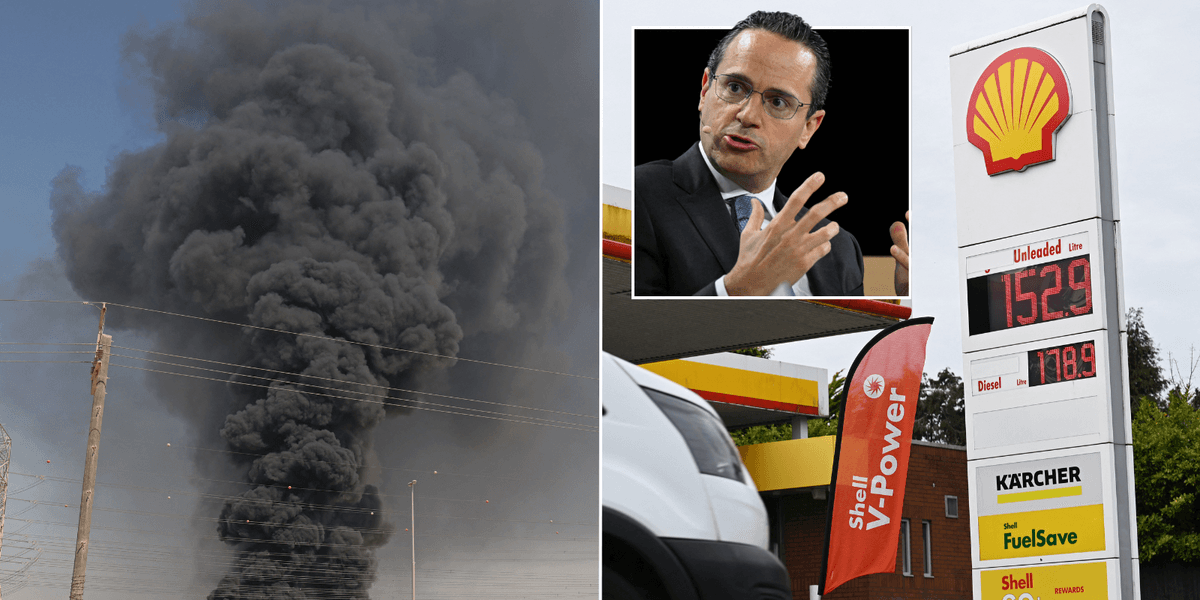
Britain and Europe could face a fuel shortage crisis within weeks as the impact of the conflict in the Middle East worsens, the chief executive of Shell has warned.
Wael Sawan cautioned that the pressure on oil and gas supply has already led to a slashing in energy consumption in a number of Asian countries – and a “ripple effect” could see similar measures introduced across Europe.
The oil giant boss warned that European Governments may need to restrict energy demand for the first time in almost four years to avoid widespread shortages.
He told an industry conference in Houston, Texas: “We see south Asia first to get that brunt, that moves to southeast Asia, northeast Asia and then more so into Europe as we get into April.
“So we are trying to work with Governments to alert them to the levers they may need to pull – including demand‑side measures, what they need to do around storage, what they need to do around purchasing stock and so on and so forth.”
On Tuesday night, Labour insisted that Britain had a “diverse and resilient energy supply” and that officials were continuing to survey the situation.
But the crisis in Iran has plunged markets into panic mode, sending oil and gas prices skyrocketing by 40 per cent and 60 per cent in the last month.
The uncertainty has been deepened by the Islamic Republic’s closure of the Strait of Hormuz – through which 20 per cent of the world’s oil and LNG supplies pass.
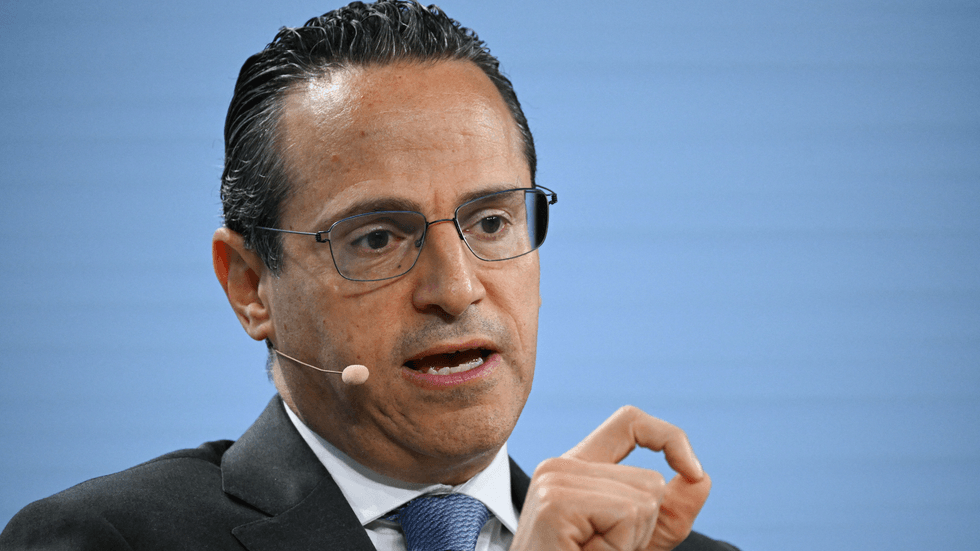
The oil giant boss warned that European governments may need to restrict energy demand
|
GETTY
On Wednesday evening, it emerged that Britain could be set to send civilian ships to the strait in a bid to clear Iranian mines from the vital trade route.
Under plans being considered by the Royal Navy, chartered ships would function as “motherships” from which drones could be launched to locate and neutralise underwater explosives throughout the Gulf region.
A senior UK energy industry source said the Shell CEO’s warnings portray one of the “worst-case scenarios” – though one which is still “absolutely possible”.
The source told The Telegraph: “At the moment, people are less worried about the physical security of supply and more about prices.
PANIC AT THE PUMPS – READ MORE:
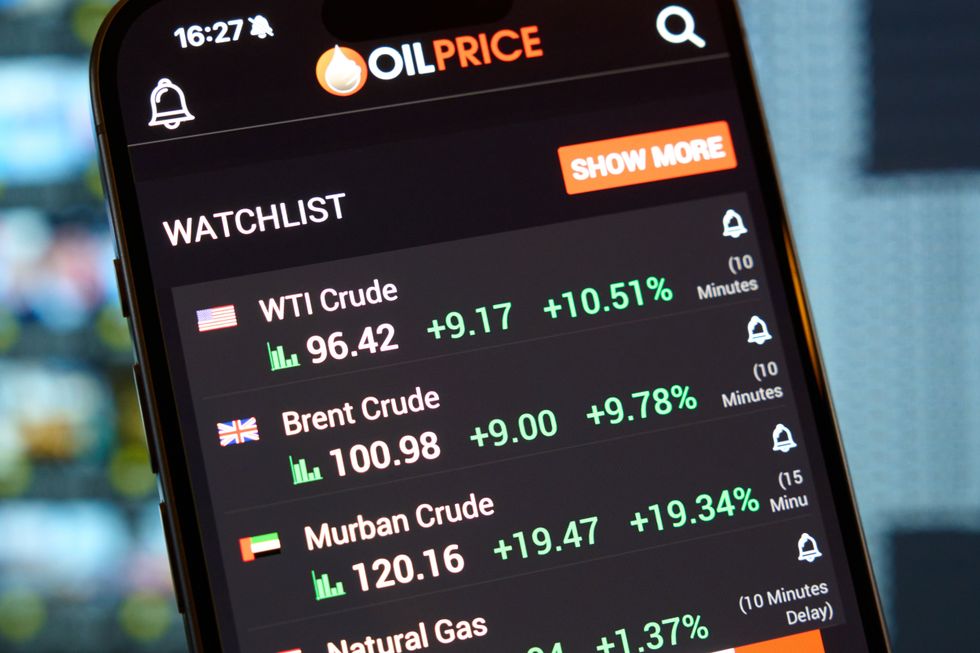
The Middle Eastern conflict has plunged markets into panic mode
|
GETTY
“Remember, even at the height of the last energy crisis, when we lost huge gas volumes from Europe, we still managed to ensure security of supply.”
The industry insider added: “Clearly there is a point – and it is hard to know exactly when, perhaps June or July – where you get substantial rises in prices and the question becomes whether Europe is actually willing to pay to get it.”
They warned that if it reached that stage, costs could jump to such a level that British businesses and households could begin self-rationing energy usage.
Under the Energy Act, the Government has the power to take control of petrol supplies in the event of a crisis.
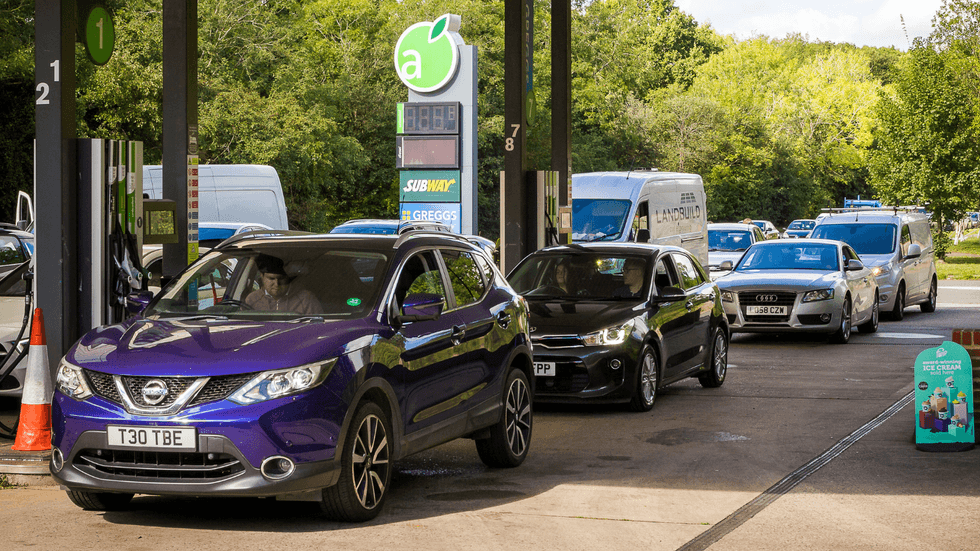
The Government has the power to take control of petrol supplies in the event of a crisis
| GETTY
And such measures have alredy started on the continent.
On Monday, Slovenia became the first EU member state to introduce fuel rationing in a bid to curb disruptions caused by the conflict.
Under the new regulations, motorists have been restricted to purchasing a maximum of 50 litres of fuel per day.
Meanwhile, farmers and businesses have been given a looser daily allowance of 200 litres.
Despite the limitations, Slovenian Prime Minister Robert Golob insisted there was “enough fuel” in the country and affirmed “there will be no fuel shortages”.