
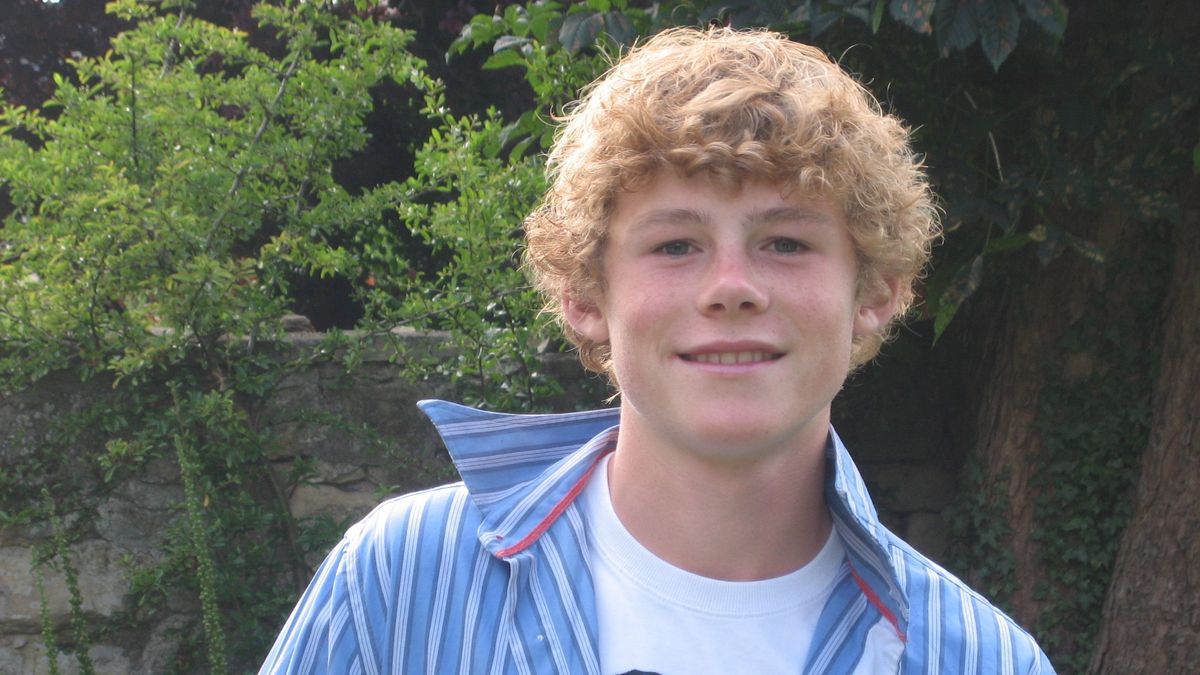
Ryan was a fit and healthy sports scholar when he died
06:00, 25 Mar 2026Updated 08:18, 25 Mar 2026
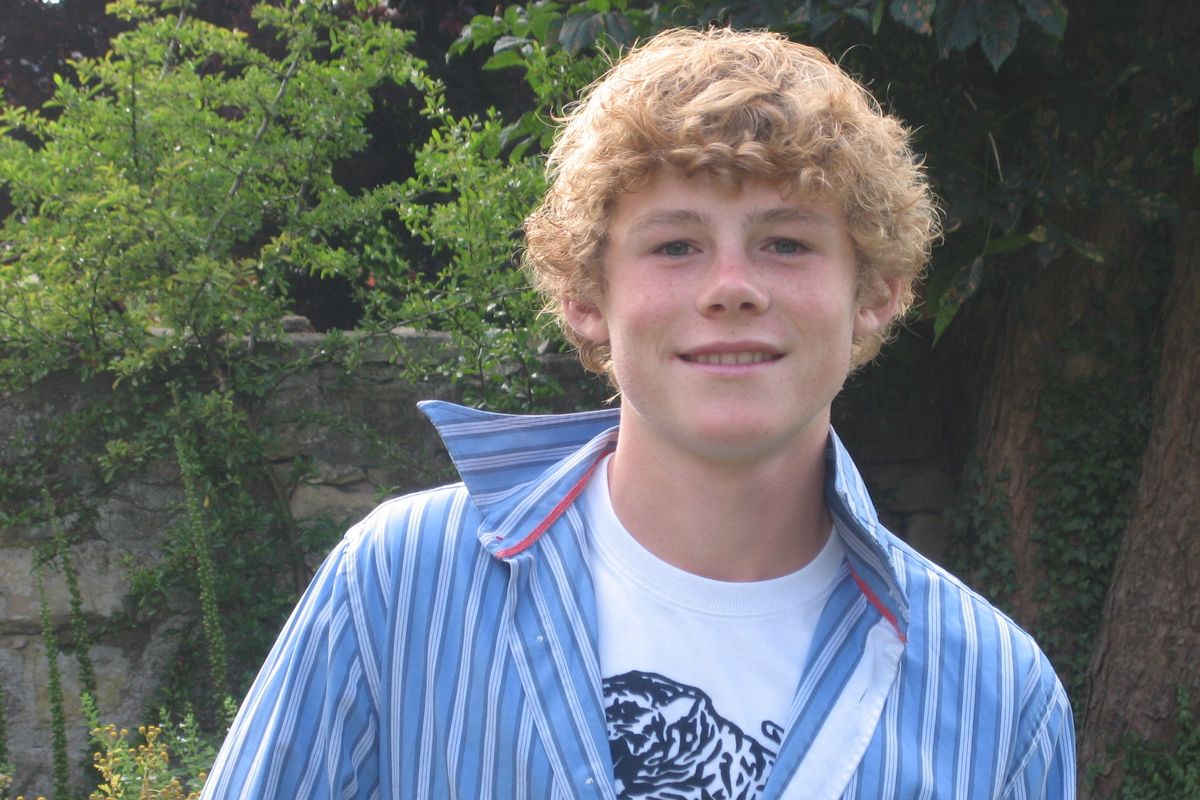
Ryan Bresnahan died suddenly from Meningitis B at just 16 years old(Image: Reach Archive)
The mum of a Bristol teenager who died from Meningitis B just weeks after his 16th birthday is urging young people to get vaccinated.
Ryan Bresnahan was a healthy and fit sports scholar at Clifton College when he woke up one morning complaining that he was feeling really tired in 2010.
He died just hours later after being rushed to hospital, where it was found that he contracted Meningitis B.
“Ryan was at the gym the night before, he was the fittest, most wonderful young man,” Ryan’s mum, Michelle, told BristolLive.
“He had been sick in the night but nothing to concern me and he woke up in the morning just really tired and said he would like an energy drink.
“He was laughing and joking with me, he didn’t have a rash, he wasn’t sensitive to the light or any of those associations with meningitis.
“So, I popped out and I came back less than an hour later to a paramedic saying Ryan was severely ill with suspected meningitis and I couldn’t believe it.
“Ryan went to hospital but by lunchtime, we were phoning our family and friends telling them he had died.”

Ryan Bresnahan(Image: Reach Archive)
Following Ryan’s death, his family set up ‘Life for a Cure’, a charity to raise awareness of the dangers of meningitis for teenagers and young adults. They have since raised more than £650,000 for research into the condition.
Michelle said their goal has always been to make families aware of the symptoms of Meningitis B and how to protect young people against it, by encouraging them to get vaccinated.
These symptoms include a high temperature, headache, vomiting and a stiff neck. People may also become sensitive to bright lights, feel very sleepy, get confused or have fits.
Before Ryan died, Michelle said she was not aware that young people between the ages of 15 and 24 were the second most at-risk group of contracting Meningitis B.
“We’re going back 16 years when Ryan died but my only awareness of meningitis [at the time] was that toddlers and babies get it,” Michelle explained.
“When you’re pregnant, you’re told about meningitis, you’re told about the rash, since it’s so hard to detect, and that was my understanding of it.
“So, when the paramedic said Ryan had it, my immediate response was ‘babies get meningitis, not six-foot men who are 16 years old.”
Michelle believes it’s important to ‘make meningitis the conversation’, not just when it is in the news as it has been recently with the outbreak of Meningitis B cases in Kent.
Her advice to those most at risk of the disease is to get vaccinated to prevent catching it, rather than dealing with the symptoms after you have contracted it.
“Meningitis symptoms are so normal that it’s just like sickness with a fever, so it could be mistaken for either the flu or a virus or even Covid,” Michelle said.
“It can deteriorate very quickly as it did with my son, so the key point is to protect yourself against it, rather than wait for it to happen and try and treat it.
“Prevention is the best course of action, there’s no way of knowing whether you carry the bacteria or not, it can happen at any time.
“My job since losing Ryan has been to make people aware of the meningitis vaccines that are available.”
There are currently two meningitis vaccines that are available – the MenACWY vaccine and the Meningitis B vaccine.
The Meningitis B vaccine is offered to babies born on or after May 1, 2015.
Most people born before this date will not have been offered the vaccine through the NHS routine immunisation schedule. The vaccine is also available privately.
All teenagers around the age of 14 are offered the MenACWY vaccine as part of the routine immunisation schedule. It is usually given at school at the same time as the tetanus, diphtheria and polio booster.
Any young person, who has missed this vaccine at school, remains eligible to receive it up to the age of 25.
This is especially important for new university entrants who have a higher risk of contracting meningococcal disease.
Michelle organises an annual campaign on A-Level results week to encourage young people to get vaccinated before they head off to university.
“At minimum, I do an annual campaign at A-Level results week. It’s just a good place to start because lots of the time they are in confined spaces with each other and that’s how it’s passed on,” Michelle said.
“I know not everyone I speak to about it is going to go and look it [meningitis] up but even if 10 per cent do, then it’s 10 per cent more people that know about it now than the day before and that’s always been my message.”