
(Credits: Far Out / digboston / Anton_Corbijn)
Thu 26 March 2026 18:30, UK
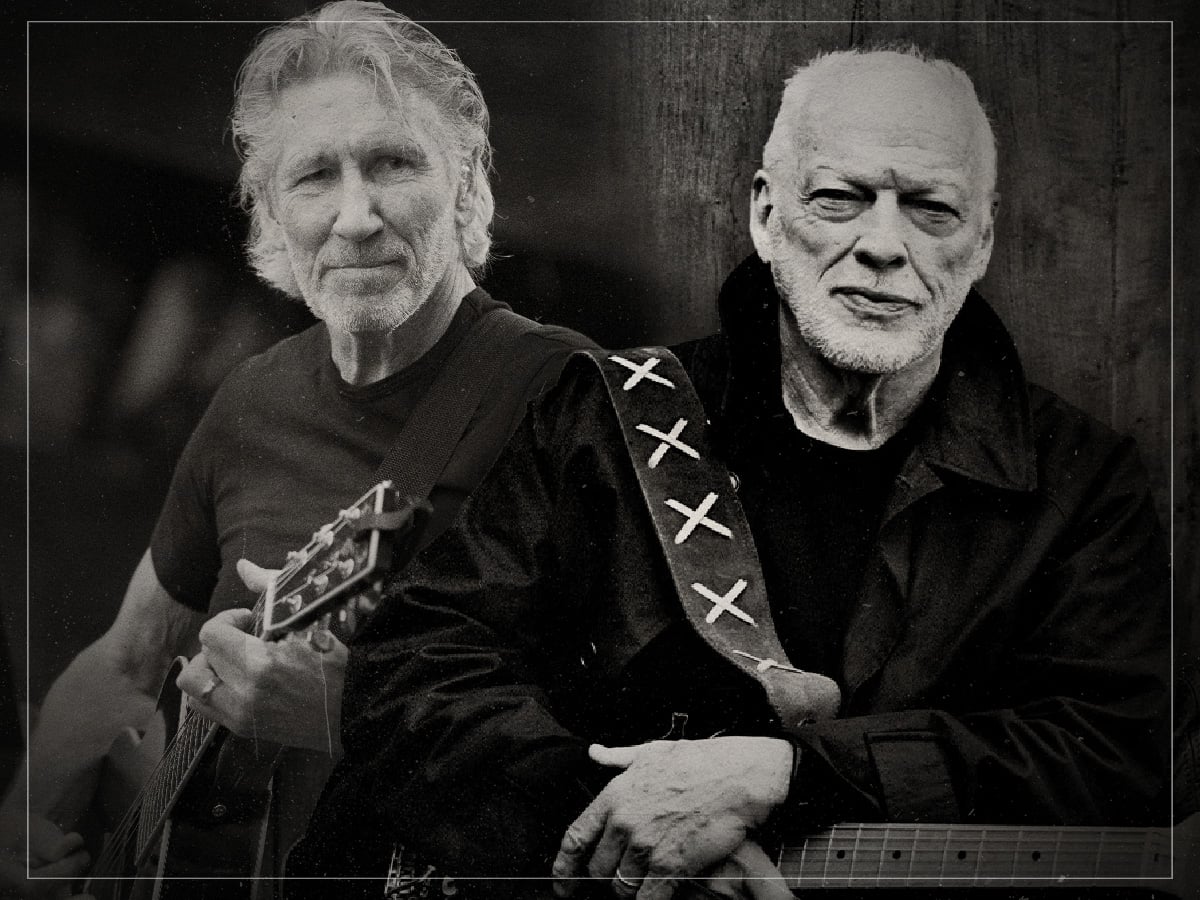
There’s hardly anything that could manage to bring David Gilmour and Roger Waters back together again at this point.
Anyone can hope and pray that they still have space in their hearts for each other to bring that Pink Floyd magic back again, but at this point, it feels like too many bridges have been burned for any of them to have warm feelings about each other at this point. And while we’ll always have the music to keep us company, there are at least a few bands that both of them could agree on when it came to the best that the rock and roll world had ever seen.
But both Gilmour and Waters have a lot less in common when it comes to how they look at the music. It was easy for them to make the right songs when they were coming from the same emotional place on a record like Wish You Were Here, but it’s hard to think of approaching a song in the same way. After all, Waters was convinced that he owned the right to use the Pink Floyd name just because he wrote all the lyrics, which isn’t really something that you want in a writing partner.
Gilmour was the creative force behind a lot of the music alongside Richard Wright, and even if they had songs where the lyrics didn’t come together as they should have without Waters, it still sounded fairly decent. They weren’t trying to match what Waters had done on records like The Wall or anything, but Waters felt that he needed a better conceptual piece behind him if he was going to make a true Floydian effort.
That’s half the reason why Amused to Death sounds the way it does, but if Waters were more interested in the poets, he could still find the time to listen to The Beatles in his spare time. The Fab Four were far from the more cerebral band in the world when they started, but after internalising Bob Dylan, Waters could recognise what someone like John Lennon was doing for the world when they began working on Sgt Peppers.
Lennon had talked about sleepwalking his way through that album, but as far as Waters was concerned, this was the way forward, saying, “They transcended all that and they transcended all the nonsense at Shea Stadium and you know, girls screaming and nobody being able to hear anything. Making songs that people really wanted to hear because they were really, really smart, clever, beautiful musical songs.”
But even if Waters wanted to admire from afar, Gilmour admitted that he would have loved to jam with the rest of the Fabs once he managed to perform with Paul McCartney on the album Run Devil Run, saying, “I really wish I had been in the Beatles. [They] taught me how to play guitar; I learnt everything. The bass parts, the lead, the rhythm, everything. They were fantastic.”
And while Pink Floyd earns the distinction for helping craft prog-rock into what it is, there’s a good chance that the genre wouldn’t have existed without The Beatles coming first. Dark Side of the Moon is a masterful concept from front to end, but judging by what had already been done on Abbey Road, The Beatles had already begun to show everyone what was possible when a band had a bunch of ideas and a complete disregard for what the rules of pop songwriting were supposed to be.
It’s important to know the rules before you break them, but the Fab Four’s impact was about more than making strange music. They opened everyone’s heads to what could be done with rock and roll, and some of their best songs are the ones that manage to give fans something new every single time they put them on.
ADD AS A PREFERRED SOURCE ON GOOGLE  The Far Out Beatles Newsletter
All the latest stories about The Beatles from the independent voice of culture.
Straight to your inbox.