
An NHS staff mental health service in Cambridgeshire described as a “lifeline” will be closed at the end of March because of a lack of funding.
The service was set up to support NHS workers impacted by the Covid-19 pandemic and has continued since to help staff across the county deal with the trauma they witness.
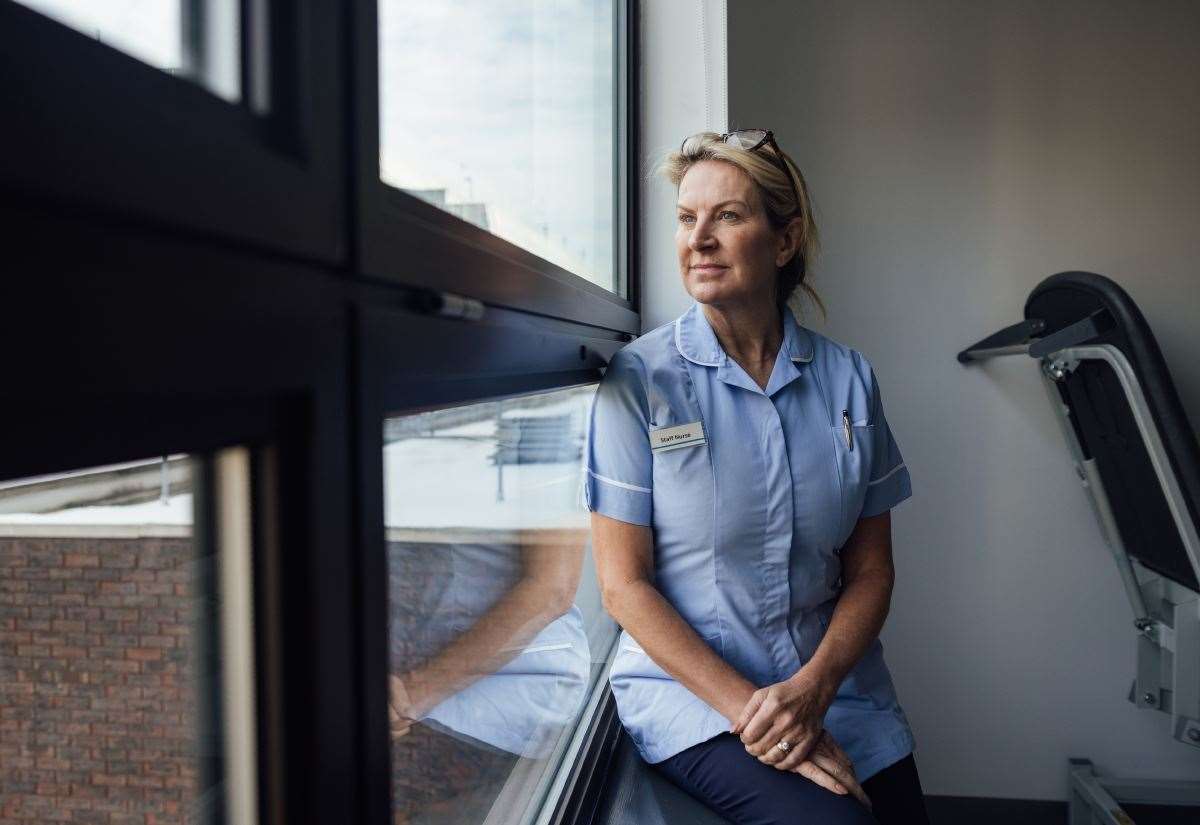
 The staff mental health service in Cambridgeshire is to close. Picture: iStock
However, the health providers whose staff benefit from the service – Cambridge University Hospitals, Cambridgeshire Community Services, Royal Papworth Hospital NHS Foundation Trust and North West Anglia NHS Foundation Trust – have failed to provide any funding to keep it going.
Instead, after initial funding from Cambridgeshire and Peterborough Integrated Care Board (ICBs), the bill for the service has been footed entirely by Cambridgeshire and Peterborough Foundation Trust (CPFT), which runs the county’s mental health services. Now, CPFT says it can no longer fund the annual cost – a figure it has not divulged, but which is thought to be hundreds of thousands of pounds.
The decision has left NHS staff fearing the impact on their colleagues and raised question marks over what may happen to absence rates within the NHS.
The service has seen about 2,250 NHS staff since its inception five and a half years ago.
Roles within the service have been placed at risk by the closure, although redeployment is being explored.
The decision comes at a time when the government’s NHS 10-Year Health Plan has indicated that ICBs across the country will be required to roll out staff treatment hubs, offering high-quality occupational health services for all NHS staff, including support for back conditions and mental health issues.
A spokesperson for CPFT told the Cambridge Independent: “We are very proud of the staff mental health service, which was originally set up to provide support to NHS colleagues in the area whose mental health was adversely affected by the effects of working during the unprecedented days of the pandemic.
“Following initial funding, attempts to secure additional funds from our partners to allow the service to continue have been unsuccessful and we have had to make the difficult decision to close the service at the end of March.
“Our mental health services for the Cambridgeshire and Peterborough public are not affected by this decision, and as residents of this area, NHS staff locally can continue to access those services via a referral from their GP.”
CPFT said those currently being treated by the service will continue to receive support.
The staff mental health service has been described as a lifeline. Picture: Posed by a model / iStock
It is working with those who have been assessed or are waiting for an assessment to receive help via the trust’s mental health teams, in the same way that residents would access support.
Asked whether it had considered contributing to funding the service used by its staff at Addenbrooke’s and The Rosie, a spokesperson for Cambridge University Hospitals said: “Following news of proposed changes to the service, we are looking to work with health partners to identify alternative arrangements. CUH is committed to ensuring our staff get the support they need. Our teams will continue to have access to a range of services and resources, including a 24-hour telephone counselling service.”
The Cambridge Independent understands that senior health leaders have expressed concern over the changes internally, while those who have benefitted from the service have pleaded with CPFT to think again.
One NHS worker, who used the service for about a year, called it a “lifeline” and said: “I am devastated, but mostly, I am concerned. I have been blessed with the time and efforts of the service.”
Praising one of the team, he said: “Without her, I would not have the skills to cope with life as well as I do now. I am unable to express how important the service is to me and for my future as a nurse.”
The worker turned to the service after a close colleague committed suicide.
“I developed the most unimaginable workplace anxiety, so my therapy turned its focus to that for a while,” he said.
“The CPFT staff mental health service offers an outstanding level of support tailored to those working in the NHS, something we as staff struggle to access due to availability and lack of engagement, as we are a ‘get on with it’ type of profession.
“What this service offered me was far greater than therapy. It was a type of support where I felt as though my individual struggles were valid. A space of zero judgment that allowed me to actually process my feelings, so I stopped taking my shifts home with me – like so many of us do.
“CPFT staff mental health service brought me back to who I was as a professional and as a person – following the most turbulent and unpredictable year of my life. They helped me continue to work in a field that is considered one of the most emotionally draining professions and do it all during a time when my life outside of work was quite literally falling apart.”