

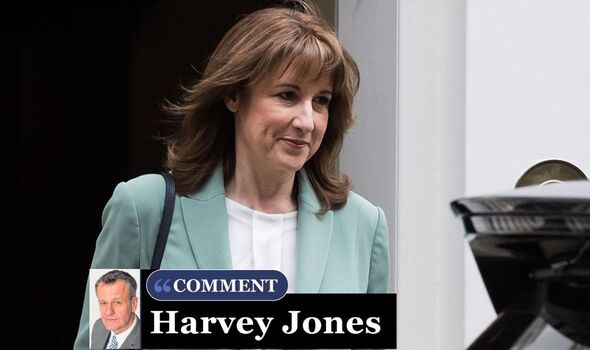
Chancellor Rachel Reeves is slapping inheritance tax on pensions, so prepare now (Image: Getty)
Chancellor Rachel Reeves is drawing up a new way of grabbing more money from inheritance tax (IHT). You have to be ready.
Unfortunately, we’re not. New research shows that nine out of 10 of us don’t know what she’s doing, even though she announced the tax grab in her maiden Budget in October 2024. Reeves said the change would come into force from April 6, 2027. That’s now just over a year away, and it will be on us sooner than we all think.
Tens of thousands will be affected, and they need to start planning now. Because in just over a year, Britons will start being liable to pay IHT on their unused pension at death. It’s expected to raise £1billion a year for the Treasury.
Today, there is no IHT on pensions. Many better-off families have deliberately preserved their pots to help them reduce tax bills on death. That’s no longer possible.
From April 2027, unused direct contributions to pension funds and death benefits will be counted as part of an individual’s taxable estate for IHT purposes. This does not apply to defined benefit “final salary” schemes, where there is no money left on death.
IHT bills are already climbing fast. They’re expected to climb from around £8.5billion today to more than £14billion by 2030. Reeves has frozen the £325,000 nil-rate until 2031, along with the £175,000 main residence allowance.
Rising wages, property prices and share prices will steadily drag more families into the net. IHT is no longer only for the mega-wealthy, but the vast majority remain completely unprepared.
Read more: Britain’s most hated tax wrings £100m more out of bereaved families
Read more: ‘Fight back against Rachel Reeves – by building your own inheritance tax pot’
The change will be an administrative nightmare. As things stand, beneficiaries must settle any tax bill within six months, yet tracking down multiple pension pots and arranging payments could take far longer.
With the clock ticking, the vast majority of adults are unaware of the reforms, new research from Standard Life shows.
Neil Jones, Standard Life’s tax and estate planning specialist, said: “Most estates currently fall below the thresholds for paying IHT, so people often only engage with it when they have to. But by 2030, around one in 10 estates are expected to exceed the threshold, and far more people will need to understand and plan for it.”
Today’s IHT nil-rate band was set at £325,000 back in 2009. If it had risen in line with inflation, it would now be worth £527,666.
Jones said an estimated £5.5trillion will pass between generations over the next 30 years. “Many who never anticipated facing IHT may soon find themselves navigating complex estate planning decisions. Planning now is key to avoiding unwelcome surprises.”
Jones recommended these practical steps.
Update beneficiary nominations
Ensure pension expressions of wish and wills are up to date so savings pass to intended recipients. Pensions left to a spouse, civil partner, or charity may remain exempt. Unmarried couples have no such protection.
Use transferable allowances
Couples can combine the standard nil-rate band and residence nil-rate band, potentially passing up to £1million tax-free.
Consolidate pensions
Bringing pensions together reduces administrative complexity and simplifies any future IHT payments. Check valuable guarantees or benefits are not lost before consolidating.
Review retirement income strategy
Consider using pensions earlier in retirement to reduce funds exposed to IHT, while balancing longevity and investment needs.
Consider gifting
Lifetime gifts can reduce the taxable value of an estate. Individuals can give up to £3,000 annually free of IHT, while larger gifts may fall outside the estate if the donor survives seven years.
Seek professional guidance
Financial advisers or estate planners can help structure pensions and other wealth more tax-efficiently, reducing liabilities and providing peace of mind.