
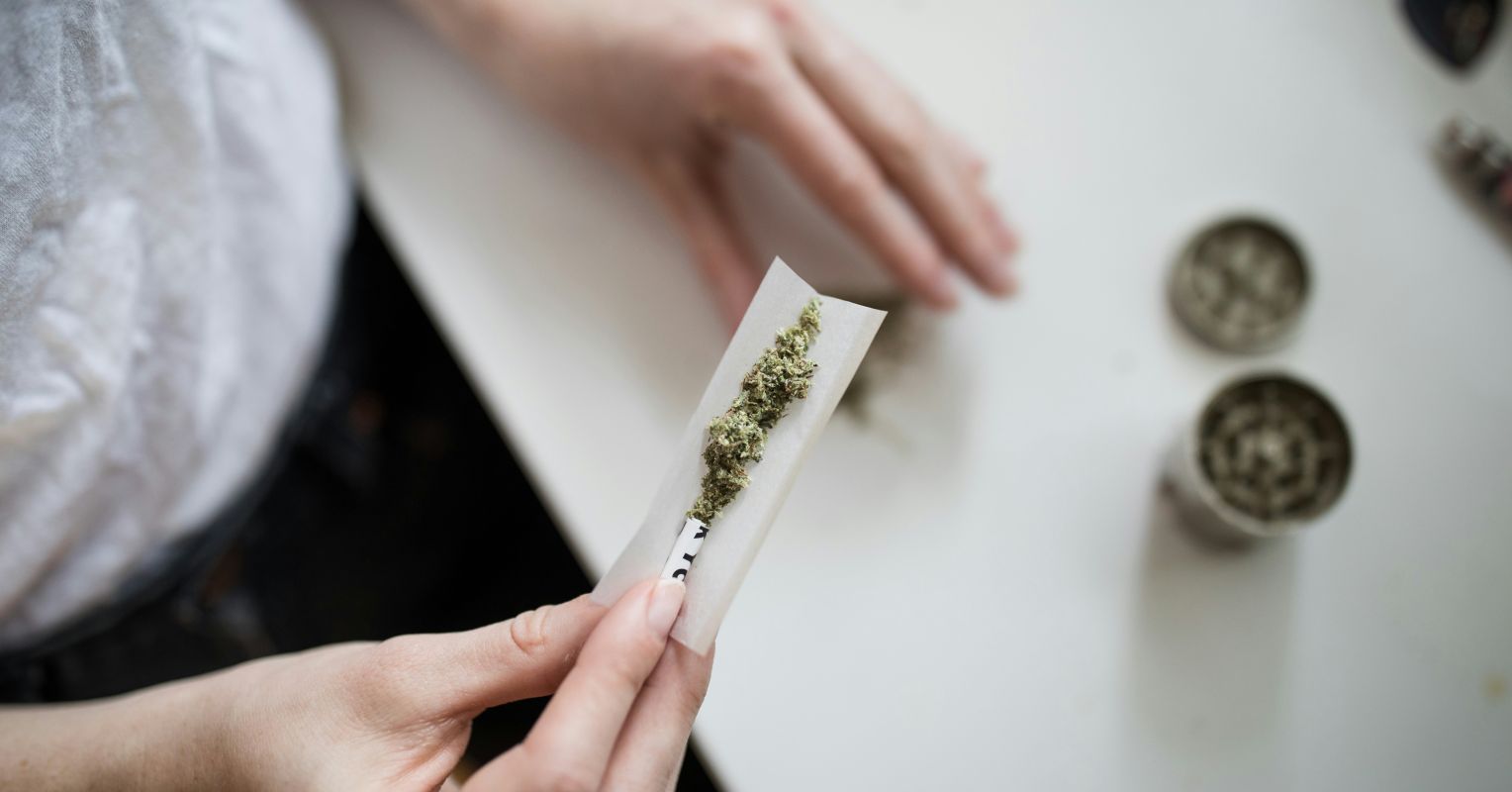
With cannabis use on the rise, including a significant percentage of Americans who report using it to treat mental health conditions, one of the largest studies to date has dealt a major blow: It suggests that medicinal cannabis is simply not effective for the treatment of anxiety, depression, or Post-Traumatic Stress Disorder.
The meta-analysis, published in the most recent issue of The Lancet, included 54 clinical trials from the period of 1980 to 2025. It sought to examine the potential for cannabis use in the treatment of a wide variety of mental health conditions, but what it found was rather startling, especially given the increasing number of people who reportedly use cannabis or cannabis products to help with their mood disorders or anxiety disorders: There appears to be little to no evidence that cannabis actually helps. And in fact, the study authors suggest, there may be a potential for harm.
The lead author of the study, Dr. Jack Wilson from the University of Sydney’s Matilda Centre, cited as examples of such potential risks a greater likelihood of developing psychosis later on, or a delay in getting more effective treatment for existing mental health disorders. This study did not specifically tackle those questions, though others have.
But this study’s results were clear in a way that is just as important: Among these decades of studies, there is an absence of evidence that cannabis has any positive effect on depression. Moreover, there was evidence of ineffectiveness of cannabis when it comes to the treatment of anxiety and PTSD.
Of course, clinicians in practice have seen this for years: the fine line between the “treatment” of anxiety or depression that cannabis may appear to provide in terms of momentary relief, versus masking the symptoms over time in a way that allows them to grow, unchecked. It’s worth noting, as well, that not all cannabis is created equal, and it’s safe to assume that with average levels of THC—the compound within cannabis that causes more of the “high” of marijuana as opposed to the more calming effects of its counterpart, the compound CBD—growing over time, so too has the potential for harm.
Startlingly, for those using cannabis who had cocaine dependence, their cravings for cocaine appeared to increase with use.
Not all was bleak, however. Some potential benefits of cannabis include the treatment of epilepsy, Tourette’s syndrome, and insomnia, though the study authors point out that the quality of that evidence was low.
In a time where cultural attitudes toward cannabis seem to be shifting at an accelerated pace, and the legalization of its use across many states is helping it gain more mainstream acceptance, it appears there is reason for caution. Though there is great excitement in the clinical research community about the potential therapeutic benefits of certain recreational drugs—especially psychedelics like psilocybin—it appears that the potential mental health benefits of cannabis, even administered with a medicinal mindset, may not warrant such excitement—and may in fact give reason for caution.