
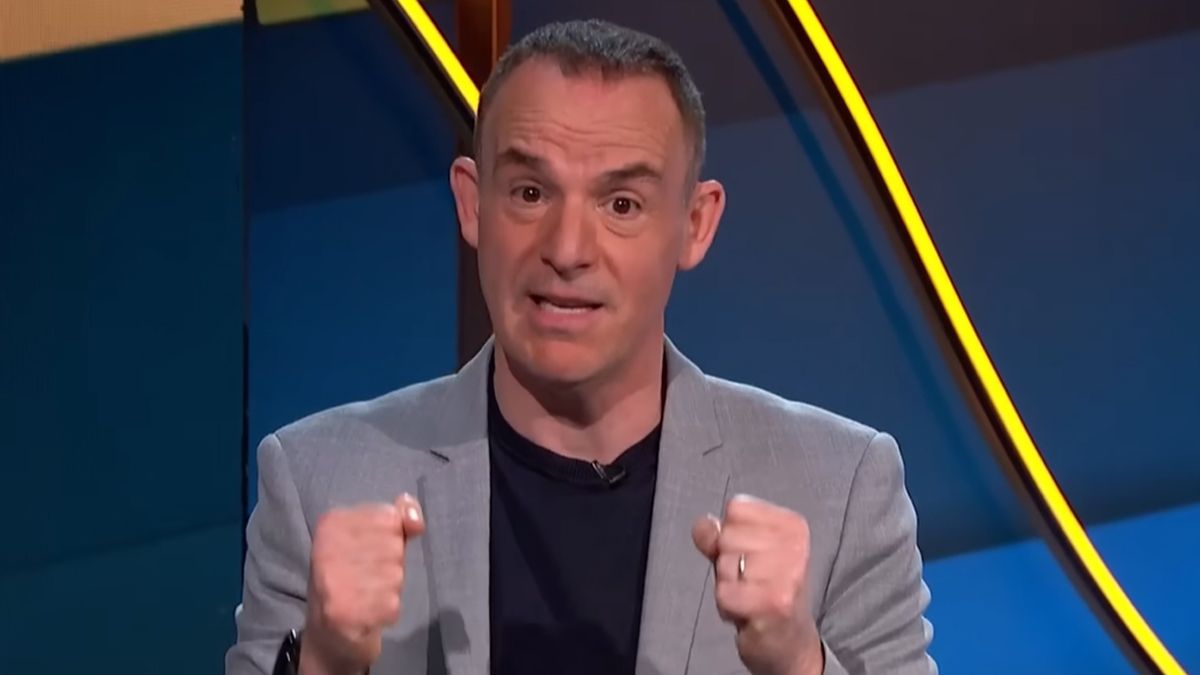
He said that you should always follow a key principle
Martin Lewis has shared some tips around staying organised financially(Image: ITV)
Martin Lewis has shared an important principle for everyone to follow to keep their finances in order. The consumer expert shared the piece of advice on his BBC podcast, after inviting listeners to submit their own money-saving tips.
He specifically asked followers what nuggets of wisdom they had gathered from their working lives that could benefit others financially. One former HMRC inspector put forward the idea of ensuring you hold onto your receipts and financial records. The ex-Government official advised: “Warranty claims, faulty goods, insurance claims; the more records you keep and the more comprehensive they are, the better. It will save you time and money in the long run.”
Adding his own thoughts, Mr Lewis suggested one simple way to document something is by snapping a photo on your phone. He also noted that while the general guideline is to retain financial records for the previous four to six years, the truth is nobody can predict what changes lie ahead.
State Pensioners to face major tax change
The financial guru remarked: “We don’t know what the future mis-selling cases will be. We don’t know what products you’ve signed up for now – there will be some campaign where you can get your money back in future.
“If you don’t have the documentation, it’s a lot harder to get your money back.” He pointed to the ongoing car finance mis-selling scandal as a prime example.
This concerns historical car finance agreements, where customers were not adequately informed about the terms of the deal and the interest rates that might be applied. The Financial Conduct Authority estimates the average claim could be worth around £700 in compensation.
Always do this
Mr Lewis stressed a crucial rule to bear in mind: “I would always, whenever you sign up for any financial document, I’d take a photo of it, I’d store it on your computer, I’d have it in a file. You never need to use it again.
“The data cost is irrelevant, because it’s just a document. But you never know when you might need it in future.”
Another listener to the programme, who works as a web developer, offered an additional tip for looking after your financial information. He recommended using a password manager to store not only your passwords, but also your account details for bank accounts and household utilities.
Mr Lewis described this as a potentially “useful” tool, as it could enable a trusted loved one to manage your finances if you’re unable to do so yourself. He cautioned that you should only grant access to your details to someone you absolutely trust.