
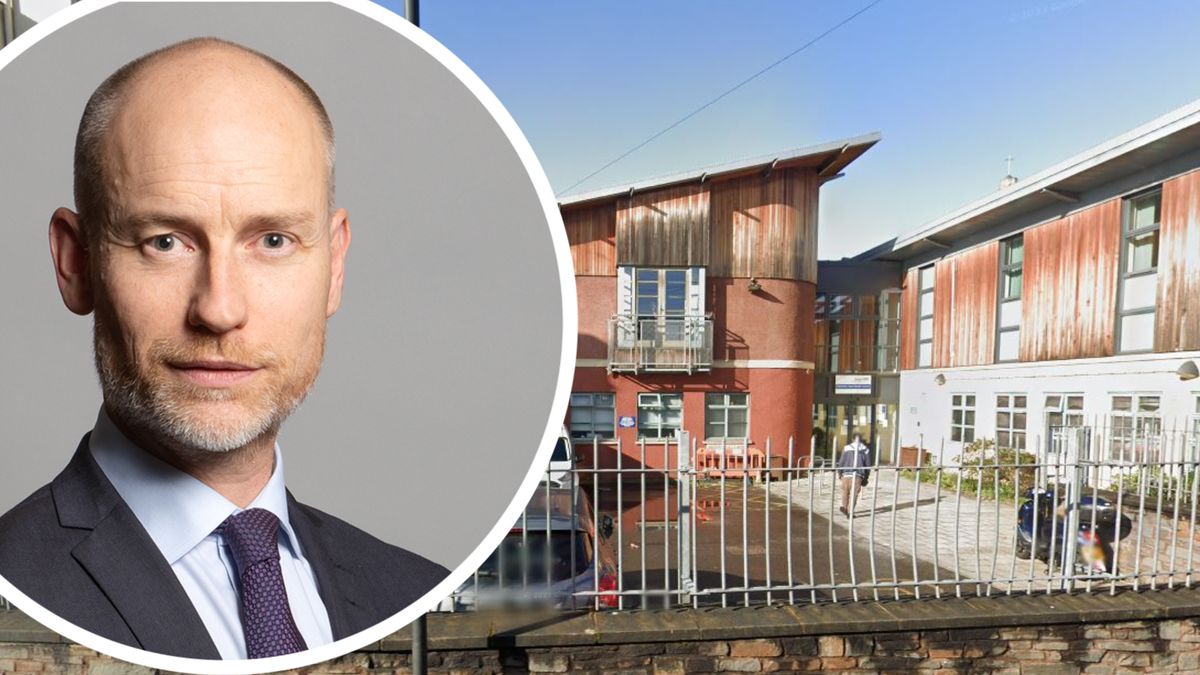
Two GP practices in Bristol are among the first in England to be upgraded into the new multi-million pound ‘Neighbourhood Health Centres’ as part of the Government’s transformation of primary care in the NHS.
Montpelier Health Centre and Charlotte Keel Health Centre in Easton have been named as two of the first 27 existing GP practices and health centres to receive a share of £50 million to expand the range of services it can provide.
And health minister Stephen Kinnock told Bristol Live the move would be the start of a sea-change in the way people access the NHS, as the Government tries to ‘swing the pendulum back’ to people going to their local health centre rather than having to go to hospital.
The Government has announced £50m to turn the first 27 doctors’ surgeries and health centres into ‘Neighbourhood Health Centres’ in the next year. The pledge is that there will be 120 Neighbourhood Health Centres around the country by the end of this Parliament in 2029, and plans in place to create 250 by the year 2036, so that ‘everyone in England will have one in their neighbourhood’.
Of those first 120, a total of 50 – including the initial 27 announced today – will be upgrades, refurbishments and expansions of existing doctors’ surgeries and health centres. In the longer term, a total of 70 will be completely new-build health centres – which in Bristol could boost campaigns to have new primary care and doctors’ surgeries included in large-scale development projects like in Bedminster, Temple Quarter and Fishponds.
READ MORE: NHS needs £3.2m from council to cope with East Bristol regenerationREAD MORE: NHS asks for £2 million from planners for more doctors in Bristol’s housing boom
The new Neighbourhood Health Centres will be more than just doctors’ surgeries and be open 12 hours a day, six days a week, from Monday-Saturday, 8am to 8pm.
The plan is for the centres to have walk-in urgent treatment and minor injuries services, as well as the kind of referral services people normally have to go to hospital for.
“Once completed, patients will immediately be able to access a greater range of health services from these centres – all under one roof and closer to their homes – including include urgent treatment, GP and pharmacy services,” said a spokesperson for the Department of Health.
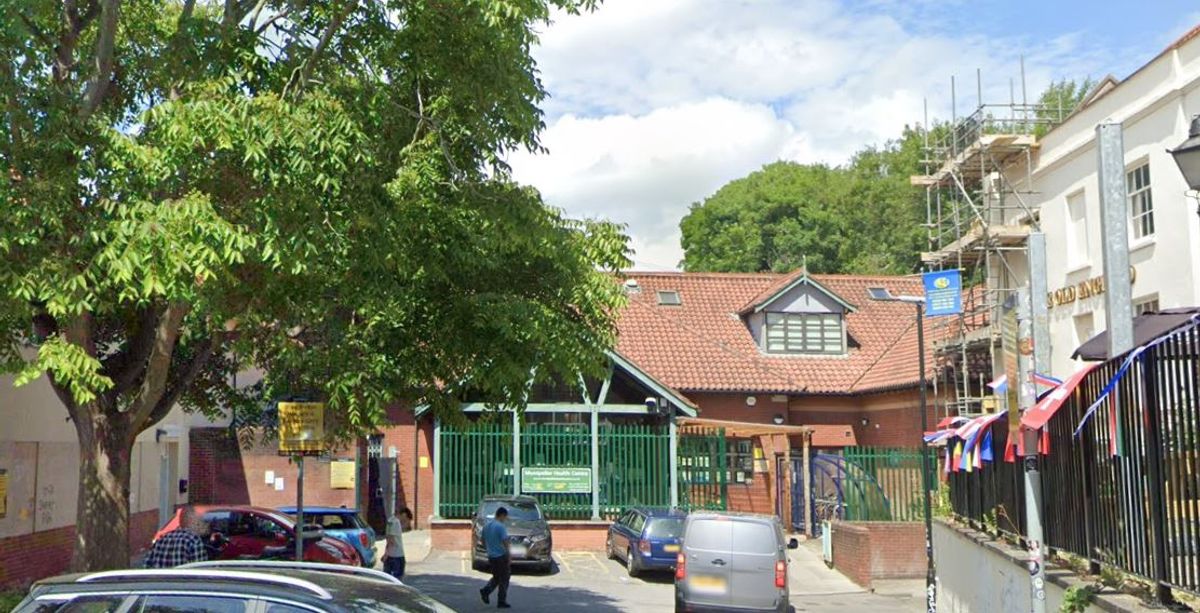
Montpelier Health Centre(Image: Google Maps)
“In time, centres will also include wider services like debt advice, employment and family support and other voluntary sector support and will be open 12 hours a day, six days a week.
“The 27 will be open by 2027 and are the first of 50 neighbourhood health centres backed by a total of £200 million in government investment to upgrade existing buildings.
“Neighbourhood health services will benefit patients by providing end-to-end care and tailored support, looking beyond the condition at wider causes of health issues to the specific individual, helping avoid unnecessary trips to hospital, prevent complications and end the frustration of being passed around the system. This will have particular benefits for people with complex conditions, such as those at the end of their lives.
“A range of services under one roof will mean more conditions can be treated swiftly locally – allowing people to talk through their health conditions as well as their lifestyle and quality of life and any other relevant contributing factors, enabling a rapid referral to the appropriate care and support where this is needed,” he added.
Health minister Stephen Kinnock said the pendulum ‘had swung too far over the years’ towards cutting primary care services which forced people to go to A&E or a large, central hospital, when it was better for patients – and ultimately the NHS finances – if they were able to access the kind of services they needed in their own communities.
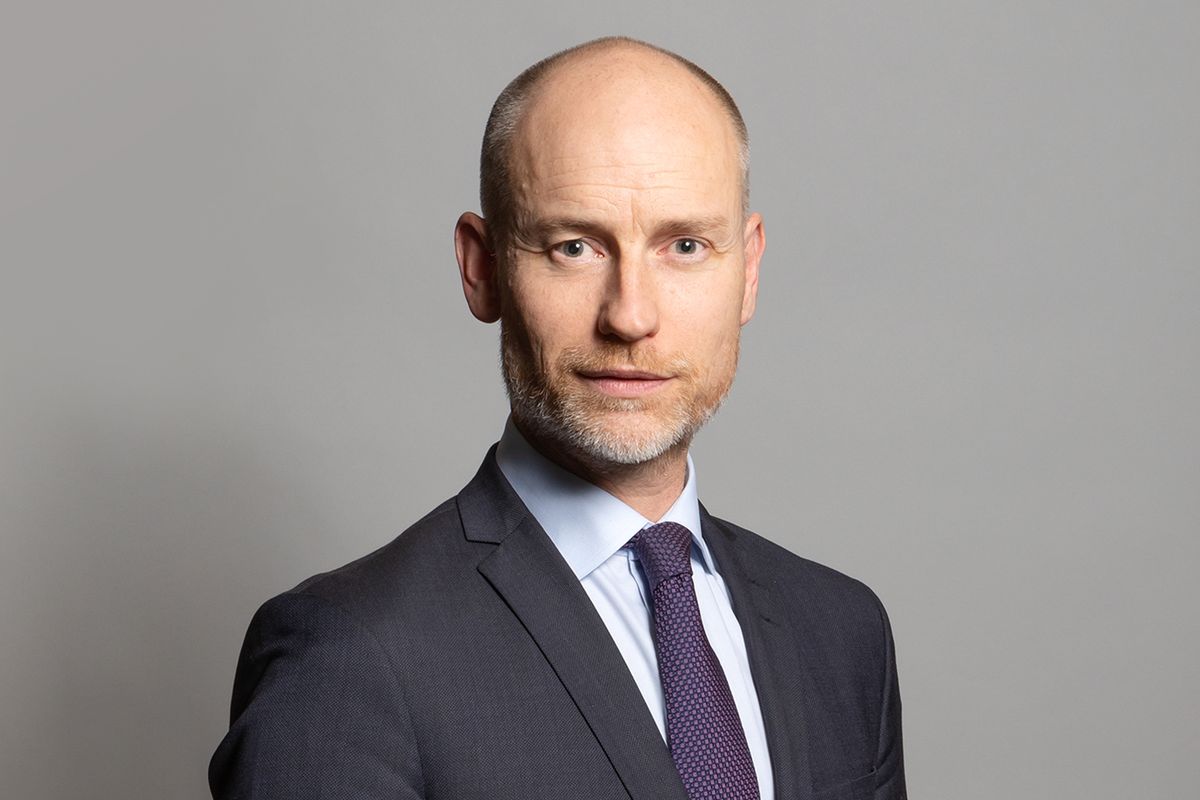
Stephen Kinnock, Minister Of State For Care.(Image: Copyright Unknown)
“We know that people have been tearing their hair out trying to access health services, a doctors’ appointment, a physio session, at their GP practice. What ultimately happens is that people are funnelled to end up in A&E, because they have no other choice, for something they shouldn’t need to go to A&E for, and they end up waiting for hours and it puts huge pressures on the large hospitals,” he said,
“It really isn’t the best way of helping people, and it ends up costing more as well because people put off being seen for something, and end up needing more treatment.
“The pendulum has swung too far over the years towards that, and this is us trying to swing it back. Everybody knows that prevention is better than cure, and it’s also much more cost effective from a finance point of view to prevent things getting more serious for people,” he added.
“This is about getting better services, more accessible for people in their own neighbourhoods,” he added.
“This Government is transforming healthcare, so the NHS works around the lives of patients – not vice versa. We’re rolling out neighbourhood health centres across the country by repurposing and improving local buildings, first targeting the communities that need them most.
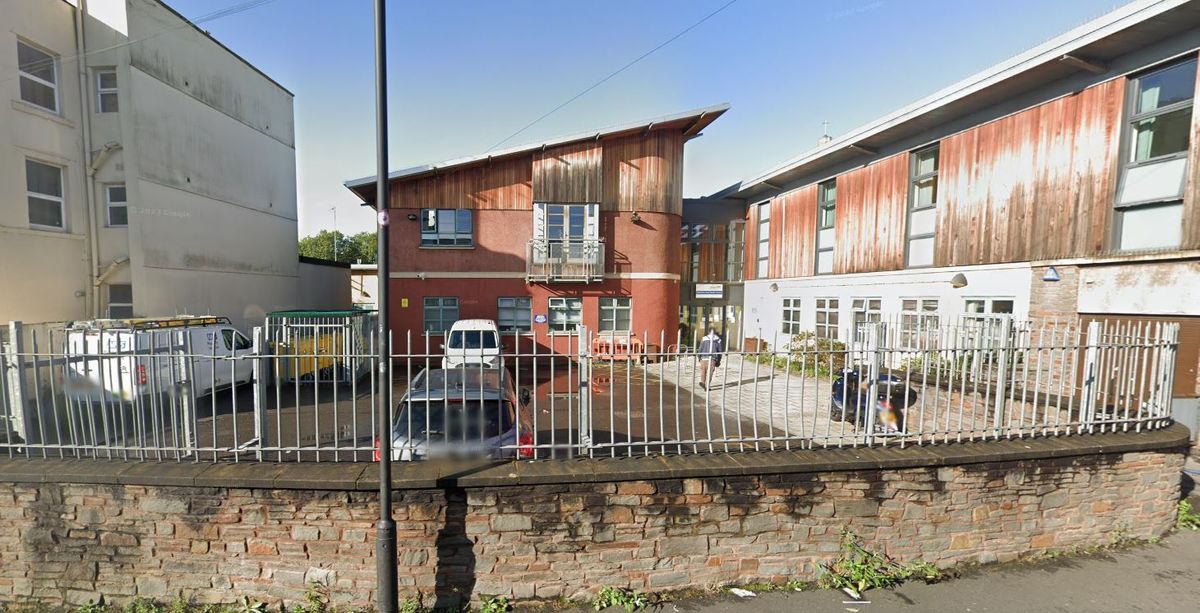
The Charlotte Keel Health Centre in Easton(Image: Google Maps)
“These one-stop-shops will help end the maze of referrals and repeated conversations, treating not just poor health but the causes of it too.
“As we rebuild our NHS, our mission is to shift more healthcare into the community, while delivering easier access to care, improved outcomes for patients and better value for money for the taxpayer,” he added.
The new ‘Neighbourhood Health Centres’ would be run by the Integrated Care Boards, not large hospital NHS Trusts. The National Medical Director of NHS England, Claire Fuller, said that meant the services at a new-style health centre could be tailored to what the community needed.
Many will have midwifery care, dental care and children’s services. “Neighbourhood health centres will make it easier for people, particularly working-class communities, to access more joined up care closer to home,” said Ms Fuller.
“By bringing GP services together with a wider range of tailored support, we can help people to get the right care more quickly, close to home, while avoiding unnecessary trips to hospital,” she added.