
Home » Latest Travel News » US Joins Germany, UK, China, Japan, South Korea, India, Bangladesh and More Nations Paying the Price of the Middle Eastern Crisis with Tourism Losses as Iran Chokes Twenty Percent of Global Crude Oil Route for One Month Straight: Everything You Need to Know
Published on
March 28, 2026
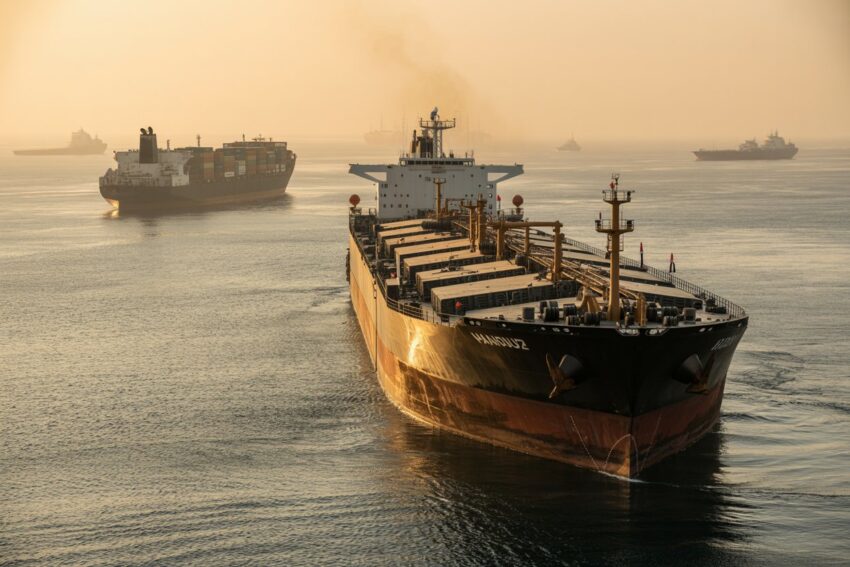
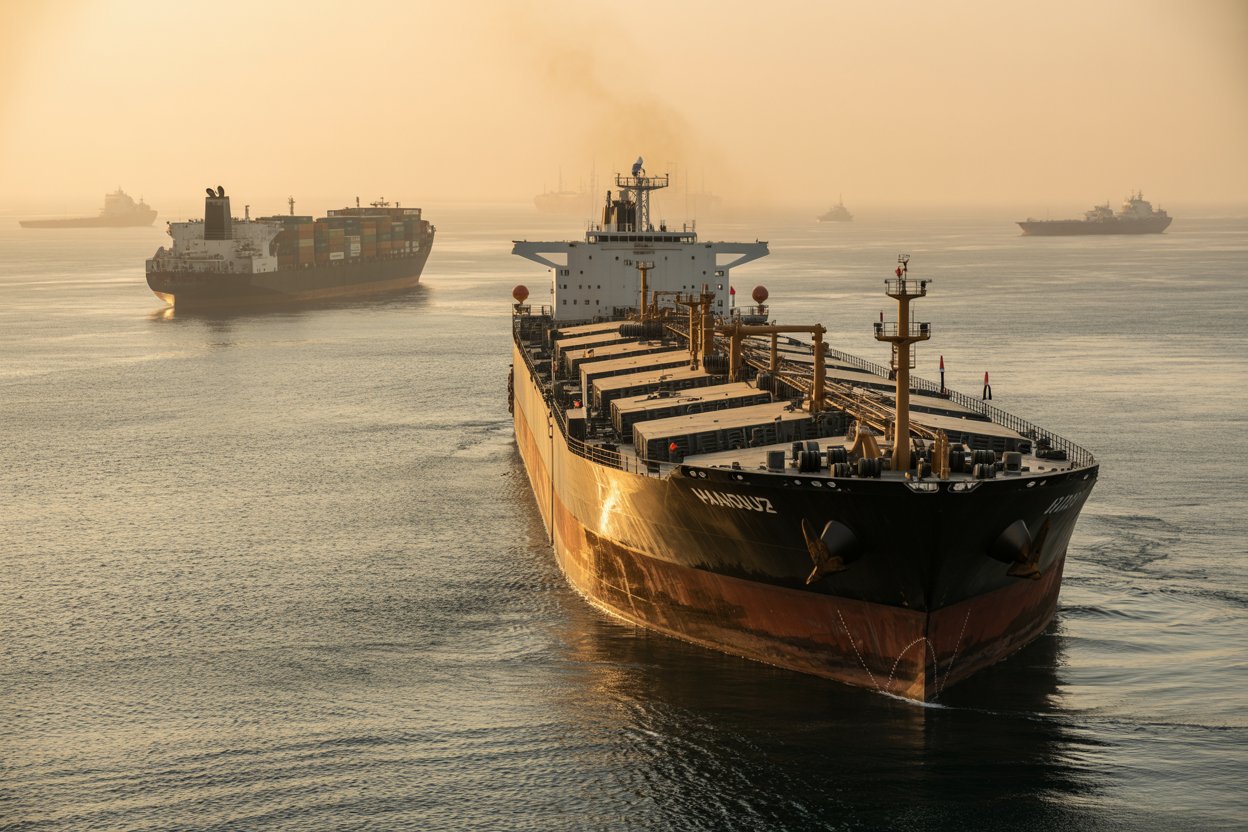
Image generated with Ai
US joins Germany, UK, China, Japan, South Korea, India, Bangladesh and more nations paying tourism losses in Middle Eastern crisis as Iran chokes twenty percent of global crude oil route for one month straight, disrupting flights and raising safety risks, as the closure of the Strait of Hormuz—through which about 20% of global oil flows—has triggered fuel price spikes, airline route suspensions and widespread travel disruptions, sharply reducing global tourism demand and connectivity.
United States: Tourism Faces Cost Shock and Demand Compression
Image generated with Ai
The United States tourism sector is absorbing a dual shock driven by fuel inflation and reduced consumer spending power. With gasoline prices rising to $3.84 per gallon and aviation fuel costs surging, airlines have increased ticket prices across both domestic and international routes. This has directly reduced discretionary travel demand, particularly for long-haul destinations including Europe and Asia. Cruise tourism has also been impacted as higher fuel costs push up package prices. Road trips, a major segment of US tourism, are becoming more expensive, leading to shorter travel distances and fewer bookings. Hotels and resorts are seeing slower occupancy growth as households prioritise essentials over travel. Business travel is also tightening due to rising operational costs. Overall, the US tourism ecosystem is shifting toward cautious spending, shorter trips, and delayed travel decisions, signalling a broader cooling of the travel economy.SectorDisruptionImmediate ImpactLong-Term EffectAir TravelFuel cost surgeHigher airfaresReduced long-haul demandRoad TravelPetrol price riseFewer road tripsShift to regional travelHospitalityLower spendingReduced bookingsSlower occupancy growthCruise TourismHigher fuel costExpensive packagesDemand declineBusiness TravelCost pressureReduced travel budgetsLong-term contraction
Germany: High Energy Costs Reshape Travel Behaviour
Image generated with Ai
Germany tourism is facing a structural slowdown as fuel prices exceed €2.32 per litre and economic uncertainty grows. Higher transport costs are making both domestic and international travel more expensive, discouraging leisure tourism. Airlines and tour operators have reduced Middle East travel offerings, while business travel is constrained by industrial cost pressures. Social unrest and declining consumer confidence are further dampening demand. Germans are increasingly opting for shorter, regional trips instead of long-haul travel, impacting destinations that depend on this high-spending market. The tourism sector is also seeing reduced bookings for premium travel experiences. Overall, Germany’s tourism demand is shifting toward cost-conscious behaviour, reflecting broader economic stress.SectorDisruptionImmediate ImpactLong-Term EffectFuel CostsPrice surgeExpensive travelReduced mobilityAir TravelRoute cutsFewer long-haul tripsDecline in outbound tourismBusiness TravelIndustrial slowdownReduced travelLong-term contractionConsumer ConfidenceEconomic stressLower bookingsShift to budget travelTourism PatternsBehaviour changeRegional trips riseGlobal demand decline
United Kingdom: Household Energy Crisis Weakens Travel Demand
Image generated with Ai
In the United Kingdom, tourism is being constrained by rising household energy costs and declining disposable income. With energy bills projected to rise to £2,882 annually, many households are cutting back on leisure spending, including holidays. Long-haul travel demand is particularly affected, as higher airfare driven by jet fuel costs makes international trips less affordable. Airlines are adjusting routes and fares, while disruptions in Gulf transit hubs have complicated connectivity to Asia and Australia. Domestic tourism may see marginal gains, but it cannot offset the decline in outbound travel. Travel agencies report increased cancellations and rebooking requests. The UK tourism sector is therefore entering a period of reduced demand, financial strain, and shifting consumer behaviour toward lower-cost and shorter-duration travel options.
Advertisement
Advertisement
SectorDisruptionImmediate ImpactLong-Term EffectAir TravelFuel price surgeExpensive ticketsReduced outbound tourismHousehold SpendingEnergy bill riseLower travel budgetsDecline in long-haul tripsConnectivityGulf disruptionsLonger routesReduced travel efficiencyTravel AgenciesBooking changesIncreased cancellationsRevenue pressureDomestic TourismDemand shiftSlight increaseLimited offset to lossesChina: Connectivity Challenges Slow Outbound Tourism
Image generated with Ai
China is experiencing a slowdown in outbound tourism due to disrupted Middle East transit routes and rising travel costs. Flights to Europe and Africa are becoming longer and more expensive, reducing demand for international travel. Tour groups are increasingly avoiding conflict-affected regions, impacting global tourism flows. Airlines face higher operational costs, which are passed on to consumers. While domestic tourism remains stable, international travel recovery is slowing. The disruption of Gulf hubs, which are key connectors for Chinese travellers, has weakened global mobility. This has significant implications for destinations that rely heavily on Chinese tourists, leading to reduced visitor numbers and revenue losses worldwide.SectorDisruptionImmediate ImpactLong-Term EffectAir ConnectivityRoute disruptionLonger travel timesReduced global mobilityTravel CostsPrice increaseLower demandSlow recoveryTour GroupsRisk avoidanceCancelled tripsShift to safer destinationsAirlinesOperational cost riseHigher faresReduced passenger volumeGlobal TourismDemand dropFewer Chinese touristsRevenue decline globally
Japan & South Korea: Energy Shock Curtails Travel Activity
Image generated with Ai
Japan and South Korea are seeing tourism demand weaken due to heavy dependence on imported energy and rising costs. Airlines are increasing fares to offset fuel expenses, leading to reduced passenger volumes. Long-haul travel via Middle East hubs has become less efficient due to rerouting, increasing travel time and cost. Consumers are cutting discretionary spending, impacting outbound tourism. Tour operators are shifting focus to regional destinations. Business travel is also declining as companies manage rising operational costs. The combined effect is a contraction in international travel demand and a shift toward shorter, cost-effective trips.
Advertisement
Advertisement
SectorDisruptionImmediate ImpactLong-Term EffectEnergy DependenceCost surgeExpensive travelReduced demandAir TravelFare increaseFewer passengersRoute adjustmentsConnectivityReroutingLonger travel timeLower efficiencyConsumer SpendingCost pressureReduced tripsShift to regional tourismBusiness TravelBudget cutsLess travelLong-term declineIndia: Rising Airfares and Reduced Mobility
Image generated with Ai
India tourism is under pressure from rising aviation fuel costs and disrupted Middle East air routes. Airfares have increased by up to 40%, making international travel less accessible. Flight cancellations and rerouting have reduced connectivity to Europe and North America. Travel to Gulf countries, a key corridor for both tourism and diaspora movement, has declined significantly. Higher fuel and LPG costs are also reducing household travel budgets. Airlines are facing operational challenges, while travellers are delaying or shortening trips. The tourism sector is therefore experiencing both demand contraction and operational disruption simultaneously.SectorDisruptionImmediate ImpactLong-Term EffectAir TravelFuel cost surgeFare hikesReduced demandConnectivityAirspace issuesFlight cancellationsLong-term disruptionHousehold SpendingCost increaseLower travel budgetsDecline in tourismGulf TravelRoute impactFewer यात्राएँReduced regional mobilityAirlinesOperational strainCapacity issuesFinancial pressure
Bangladesh: Tourism Collapse Under Energy Shortage
Image generated with Ai
Bangladesh tourism has been severely impacted by fuel shortages, rationing, and economic strain. Rolling blackouts and rising costs have made travel unaffordable for most households. Airlines have reduced operations due to fuel constraints, limiting international connectivity. Pilgrimage travel, including Umrah, has been heavily disrupted. Hotels and travel agencies are seeing a sharp decline in bookings. Economic survival has taken priority over leisure travel. The tourism sector is facing near-total demand collapse, highlighting the vulnerability of developing economies to energy shocks.
Advertisement
Advertisement
SectorDisruptionImmediate ImpactLong-Term EffectFuel SupplyShortageReduced travelTourism collapseAir TravelLimited operationsFewer flightsConnectivity lossHousehold EconomyFinancial stressNo travel spendingLong-term declinePilgrimage TravelDisruptionCancelled tripsReduced religious tourismTourism IndustryDemand dropRevenue lossSlow recoveryOne Month of Tourism Losses: Flight Cancellations, Security Risks, and Demand Collapse
Over the past one month, major global tourism markets including the United States, United Kingdom, Germany, Canada, China, India, and Bangladesh have collectively faced significant tourism losses driven by widespread flight cancellations and escalating security risks across the Middle East. Tens of thousands of flights were cancelled or rerouted as key transit hubs such as Dubai, Doha, and Abu Dhabi became operationally unstable. Airlines suspended routes, reducing connectivity between Europe, Asia, and North America. At the same time, missile threats, drone attacks, and airspace closures triggered global travel advisories, sharply reducing traveller confidence. Tourists cancelled bookings en masse, while business and MICE travel came to a halt. Repatriation flights replaced regular tourism flows, prioritising evacuation over leisure travel. The combined impact has resulted in massive revenue losses for airlines, hotels, and tour operators, while also weakening global tourism recovery momentum and reshaping international travel patterns.
US joins Germany, UK, China, Japan, South Korea, India, Bangladesh and more nations paying tourism losses in Middle Eastern crisis as Iran chokes twenty percent of global crude oil route for one month straight, disrupting flights, raising safety risks and driving global travel demand decline.
Conclusion
The month-long closure of the Strait of Hormuz by Iran has triggered a global tourism crisis, impacting the US, UK, China, and India. By choking 20% of global crude oil, the crisis has caused a 40% spike in airfares, widespread flight cancellations, and a shift toward regional travel, resulting in multi-billion dollar losses across the global travel ecosystem.CountryPrimary Tourism ImpactKey Economic TriggerUSAReduced long-haul demand$3.84/gal gas pricesUKOutbound travel collapse£2,882 annual energy billsIndia40% Airfare hikesMiddle East air corridor disruptionGermanyShift to regional travelFuel exceeding €2.32/litre
Aviation: Jet fuel price surges leading to 30-40% higher ticket costs.Connectivity: Rerouting around the Strait of Hormuz adding 2-4 hours to international flights.Consumer Behavior: A shift from long-haul international travel to domestic/regional trips.Economic Strain: Reduced discretionary spending due to rising household energy bills.
Advertisement
Advertisement
