
Introduction
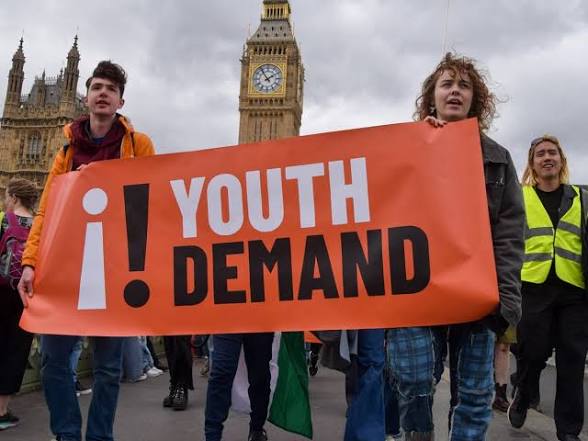
In recent years, activism in the United Kingdom has entered a new and more assertive phase. Among the emerging voices shaping this shift is the Youth Demand movement—a youth-led activist group calling for bold changes in both foreign policy and environmental strategy. With its dual focus on ending UK trade with Israel and halting new fossil fuel licences in the North Sea, the group represents a powerful convergence of political and climate activism.
The Emergence of Youth Demand
Youth Demand has quickly gained attention for its uncompromising stance and clear objectives. Formed by young activists frustrated with what they perceive as government inaction, the movement reflects a broader generational shift. Today’s youth are more globally aware and deeply concerned about issues such as climate change, human rights, and international justice.
Unlike traditional advocacy groups, Youth Demand embraces urgency. It seeks not gradual reform but immediate action—arguing that delays in addressing climate and political crises will only worsen their consequences.
Core Demand 1: Ending Trade with Israel
One of the central demands of Youth Demand is for the UK government to end all forms of trade with Israel. The group frames this demand within a broader context of human rights and ethical foreign policy. Activists argue that economic relationships should align with moral principles, and they believe that cutting trade ties is a way to apply pressure and signal disapproval of controversial policies.
This position has sparked significant debate. Supporters see it as a necessary step toward accountability, while critics argue that such measures could have complex economic and diplomatic consequences. Regardless of differing opinions, the demand has succeeded in bringing foreign policy discussions into mainstream youth activism.
Core Demand 2: Halting North Sea Oil and Gas Exploration
The second major demand focuses on environmental sustainability. Youth Demand calls for an immediate halt to new oil and gas exploration licences in the North Sea. This stance is rooted in the belief that continued investment in fossil fuels contradicts global climate commitments and undermines efforts to reduce carbon emissions.
For the movement, climate change is not a distant threat but an immediate crisis. Rising temperatures, extreme weather events, and environmental degradation are seen as urgent warnings. By opposing new fossil fuel projects, Youth Demand aims to push the government toward renewable energy solutions and a greener future.

Methods of Activism
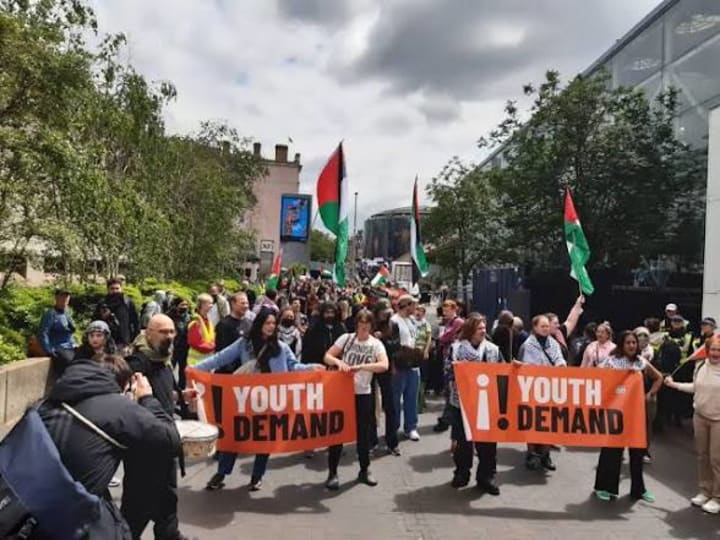
Youth Demand has adopted a range of strategies to amplify its message. Peaceful protests, sit-ins, and acts of civil resistance are among the most visible tactics. These actions are often designed to disrupt normal routines, drawing public attention and media coverage.
Social media plays a vital role in organizing and spreading awareness. Platforms allow activists to coordinate quickly, share information, and build a sense of community. This digital dimension has made it easier for the movement to expand its reach and influence.
Public Response and Controversy
The movement has generated both support and criticism. Many people, particularly younger generations, admire its passion and determination. They view Youth Demand as a voice for those who feel unheard by traditional political systems.
However, critics question the practicality of its demands and the effectiveness of its methods. Some argue that ending trade with Israel could harm economic interests, while others believe that disruptive protests may alienate the public. These debates highlight the challenges faced by modern activist movements in balancing urgency with public acceptance.
Impact on Political Discourse
Despite controversy, Youth Demand has had a noticeable impact on political conversations in the United Kingdom. Issues such as ethical trade, climate responsibility, and youth engagement are increasingly prominent in public debate.
The movement also reflects a broader trend: young people are no longer passive observers but active participants in shaping policy discussions. Their willingness to challenge authority and demand accountability is reshaping the political landscape.
Challenges Ahead
While Youth Demand has gained momentum, sustaining its influence will require overcoming several challenges. Maintaining public support, translating protest into policy change, and navigating internal differences are all critical factors.
Additionally, the movement must find ways to engage with policymakers without losing its core identity. Striking a balance between activism and constructive dialogue will be essential for long-term success.
Conclusion
The Youth Demand movement symbolizes a new era of activism in the United Kingdom—one defined by urgency, boldness, and a deep commitment to justice. By linking foreign policy concerns with environmental action, it presents a comprehensive vision for change.
Whether one agrees with its demands or not, the movement has undeniably sparked important conversations. As global challenges continue to intensify, voices like Youth Demand will play a crucial role in shaping the future, pushing governments and societies to rethink priorities and act decisively.