
(Credits: Far Out / Alamy)
Sun 29 March 2026 0:00, UK
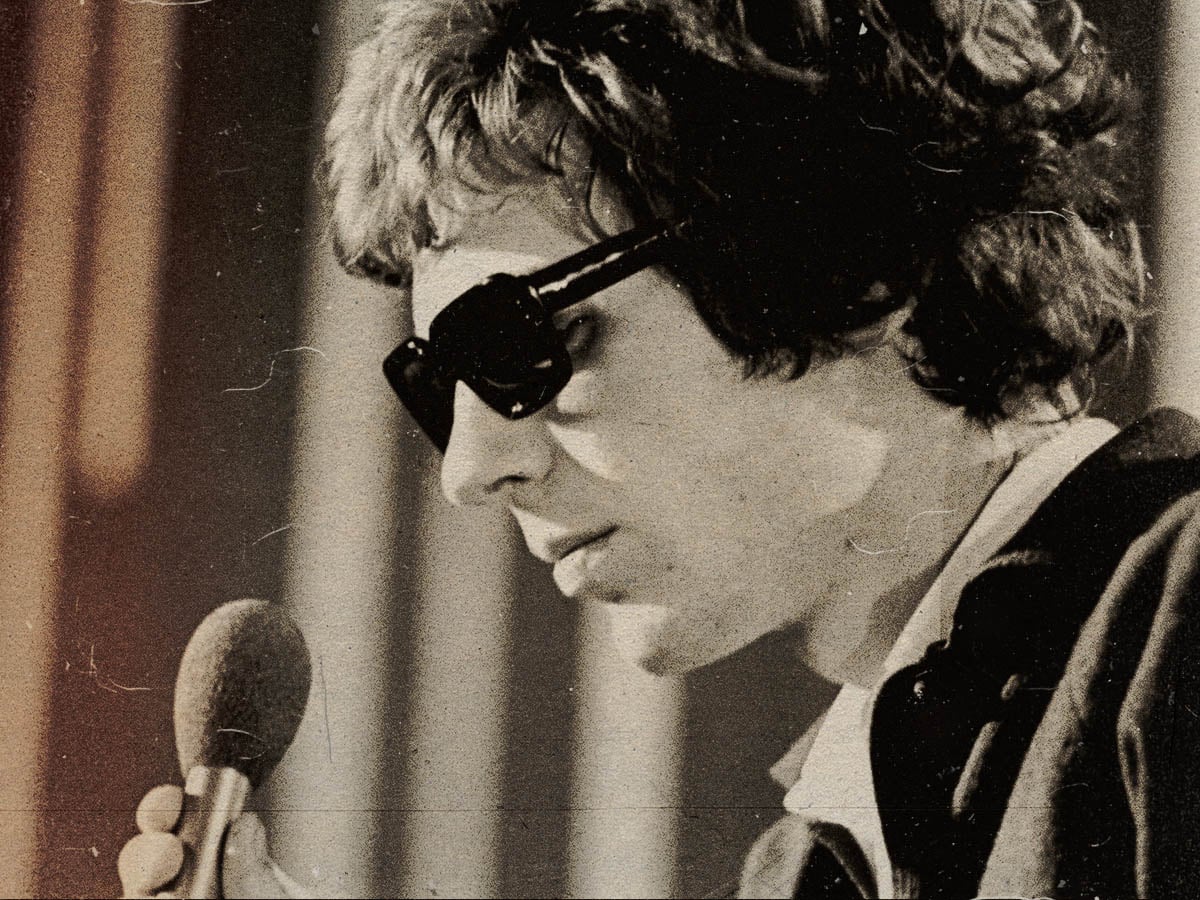
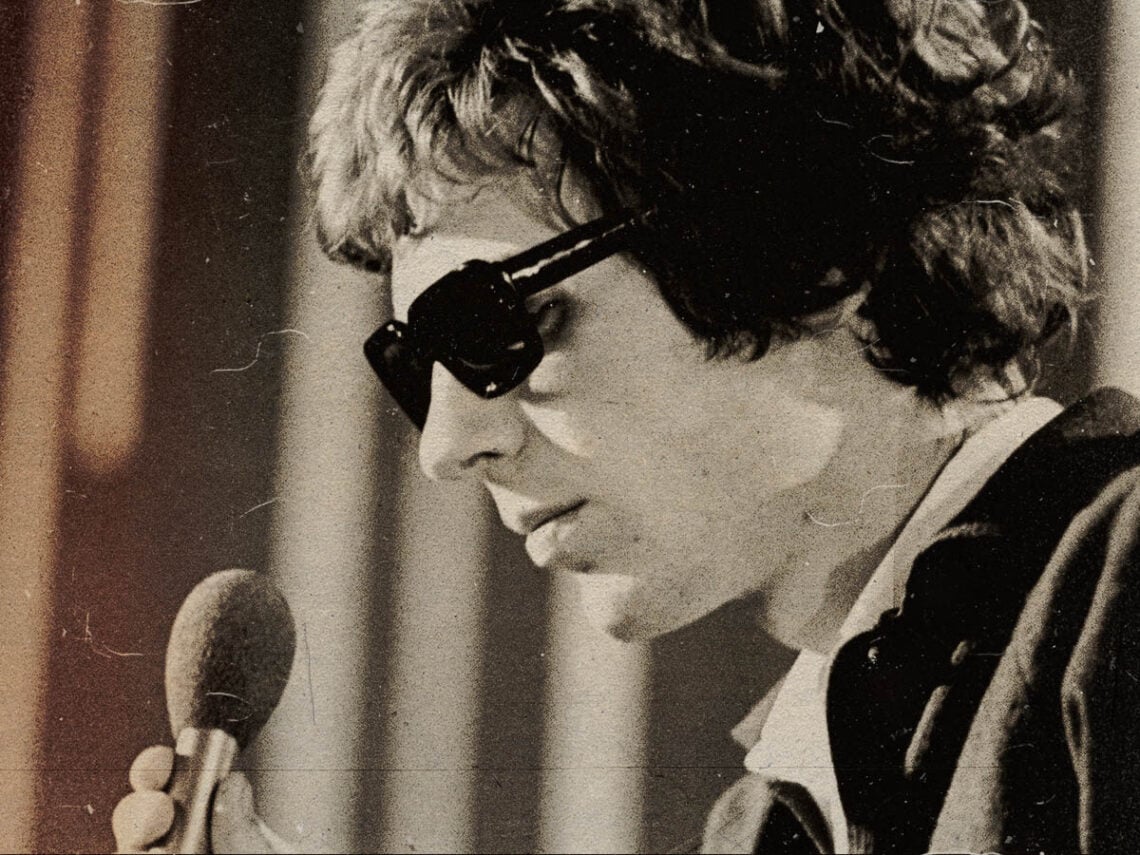
Scott Walker knew more than most how to wrestle stark poignancy from the human condition’s most abyssal depths.
Not that such thematic explorations were ever clear. After the slow journey from the Walker Brothers’ pop sensation, the Scott series’ baroque compositions, and a glut of awful 1970s albums, Walker’s true creative calling began to rear its head in the 1980s. First flashed on Nite Flights’ ‘The Electrician’, the “Godlike Genius” mythos began in earnest, struck with 1984’s Climate of Hunter’s chilly atmospheres before the cavernous, industrial clangour of Tilt over a decade later.
Such intrepid soundscapes were matched with an equally bold lyrical canvas. 17 months in gestation, The Drift finally saw the light of day in 2006, another plumb of excavating darkness shrouded in subterranean rumble and orchestral horror, packed with greater snarling bite than anything Walker had dreamed up yet.
A perusal through The Drift’s CD booklet flashed the same cryptic lyrical intrigues accompanied by short captions revealing some hint to a song’s subject matter, from speeches by Bosnian Serb war criminal Radovan Karadžić to the affliction of psoriasis in the Middle Ages.
It’s ‘Jesse’ which offers the most arresting text. Alongside “Nose holes caked in black cocaine” and “Six feet of foetus / Flung at sparrows in the sky”, a short caption alleges that, in times of loneliness and despair, Elvis Presley would talk to his stillborn twin brother Jesse.
It’s a rumour that’s long been the source of fascination for biographers and Presley researchers. Born 35 minutes before Elvis on January 1935 and later buried in a shoebox in Mississippi’s Tupelo, Jesse Garon Presley reportedly held a lifelong hold on Presley, speculated to have instilled a survivor’s guilt and offered some sense of psychological companionship as the ‘King’ retreated into his own creatively stagnant isolation. It’s even understood Presley would visit Jesse’s grave to talk.
Some in Presley’s life have dismissed such legends as fiction; his famous ‘Memphis Mafia’ entourage reportedly never spotted any kind of brotherly presence in Presley’s life, but hair stylist and confidante Larry Geller spoke frankly of Presley’s affinity with his stillborn sibling.
“I’ll tell ya, Larry, being a twin has always been a mystery for me,” Geller once recalled Presley saying. “I mean, we were in our mother’s womb together, so why was he born dead and not me? He never even got his chance to live. Think about it, why me? Why was I the one that was chosen? An’ I’ve always wondered what would’ve been if he had lived, I really have. These kinds of questions tear my head up. There’s got to be reasons for all this.”
Somehow, Walker also views the turmoil of 9/11 through the lens of Presley’s anguished psyche at the loss of his older brother, all adding to The Drift’s fascinating obscurities. Piercing through the ‘King’s rock and roll stature, Walker conjured a dark and unsettling examination of Presley’s wounded humanity and offers a wholly plausible inner machination of what pulled Presley to an eventual spiritual oblivion.
