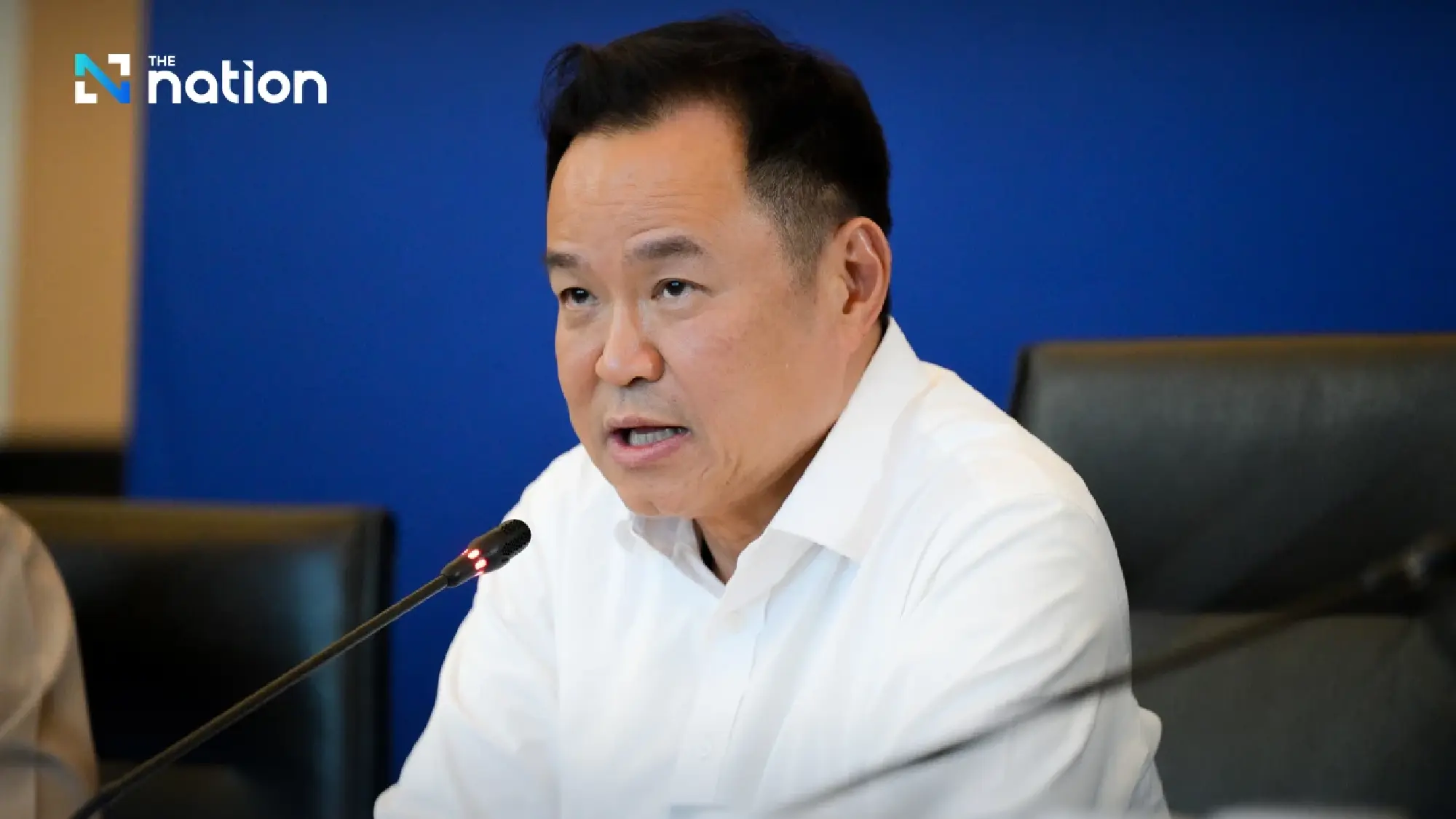
Prime Minister Anutin Charnvirakul warned that oil prices may rise again after the closure of the Strait of Hormuz, while the Finance Ministry cautioned that cutting fuel excise taxes could undermine fiscal discipline—raising fears of a repeat of the 2022 revenue shock.
Speaking about the 6-baht-per-litre increase across all fuel types, Anutin said prices were moving in line with market mechanisms. He said the government’s priority is to ensure domestic fuel security. “If we subsidise too much, the budget used for it is depleted every day,” he said, adding that when domestic prices are set below market levels, the risk of leakage to neighbouring countries and hoarding increases. He said the aim is to keep prices aligned with global levels, noting that all countries must cope with higher oil prices. Within ASEAN, he said, Thailand remains among the countries with comparatively lower prices, and even some neighbouring producers still have higher pump prices than Thailand.
Asked whether prices could rise further, Anutin said it is possible because the Middle East situation remains volatile. However, he stressed that Thailand has ensured it will not run out of fuel and can still secure crude supplies. He said a recent meeting instructed PTT to source refined products—specifically diesel volumes that are sold to Laos—from overseas and sell them directly to Laos, while keeping PTT-refined diesel within Thailand. He said this would boost public confidence. Thailand previously exported about 5 million litres per day to Laos without problems, he said, but the adjustment is intended to strengthen confidence as the situation could drag on.