

A new “highly mutated” COVID-19 variant, BA.3.2, also known as “Cicada”, is spreading in the US and 23 countries, and it’s believed it may partly evade vaccines
A medical worker puts a swab in a tube after performing an antigen test for Covid-19(Image: AFP via Getty Images)
A new COVID-19 variant is spreading across the US – with some health experts concerned it can evade some vaccines.
Nicknamed “Cicada” for its long hibernation and noisy return, the strain is now fueling a steady rise in cases around the globe, with early data suggesting the highly mutated strain could be especially contagious, putting officials on alert.
Officially known as BA.3.2, Cicada is an offshoot of the Omicron subvariant of SARS-CoV-2, the virus that causes COVID-19. First detected in South Africa in November 2024, the strain didn’t begin circulating more widely until September 2025. It has now been spotted in 23 countries and accounts for up to 30% of cases in parts of Europe, according to a Centers for Disease Control and Prevention (CDCP) report.
Virologist Andrew Pekosz said: “It has a lot of mutations that may cause it to look different to your immune system.” Dr Marc Siegel, a doctor at health firm NYU Langone, added: “There is concern that it could represent a significant public health risk, but since the prevalence is still so low, it is too soon to predict this on a community-wide basis.”

Cicada is an offshoot of the Omicron subvariant(Image: Mirrorpix)
READ MORE: Sick pay rule changes from April 2026 that will affect all workers in EnglandREAD MORE: Meningitis scam alert as Brits report fake NHS texts amid outbreak panic
The variant first appeared in the US in a traveler passing through San Francisco International Airport from the Netherlands in June 2025, but it wasn’t until January 2026 that BA.3.2 showed up in a clinical sample from a US patient. As of February 11, Cicada had been detected in four US travelers and five patients, as well as in airline and wastewater samples across 25 states, including New York, New Jersey, and Connecticut, according to the CDCP.
Dr. Robery H. Hopkins Jr., a medical director of the National Foundation for Infectious Diseases, said: “It is possible we will see Cicada drive a summer COVID surge and become the dominant strain in the United States, but that is by no means certain.”
The Cicada variant does not appear to cause different symptoms than earlier strains, and there’s currently no evidence it makes people sicker, the NY Post reports.
Epidemiologist Dr. Syra Madad added: “That’s really the big question with any COVID variant at this point. So far there is no evidence that it is causing more severe illness on a population level.”
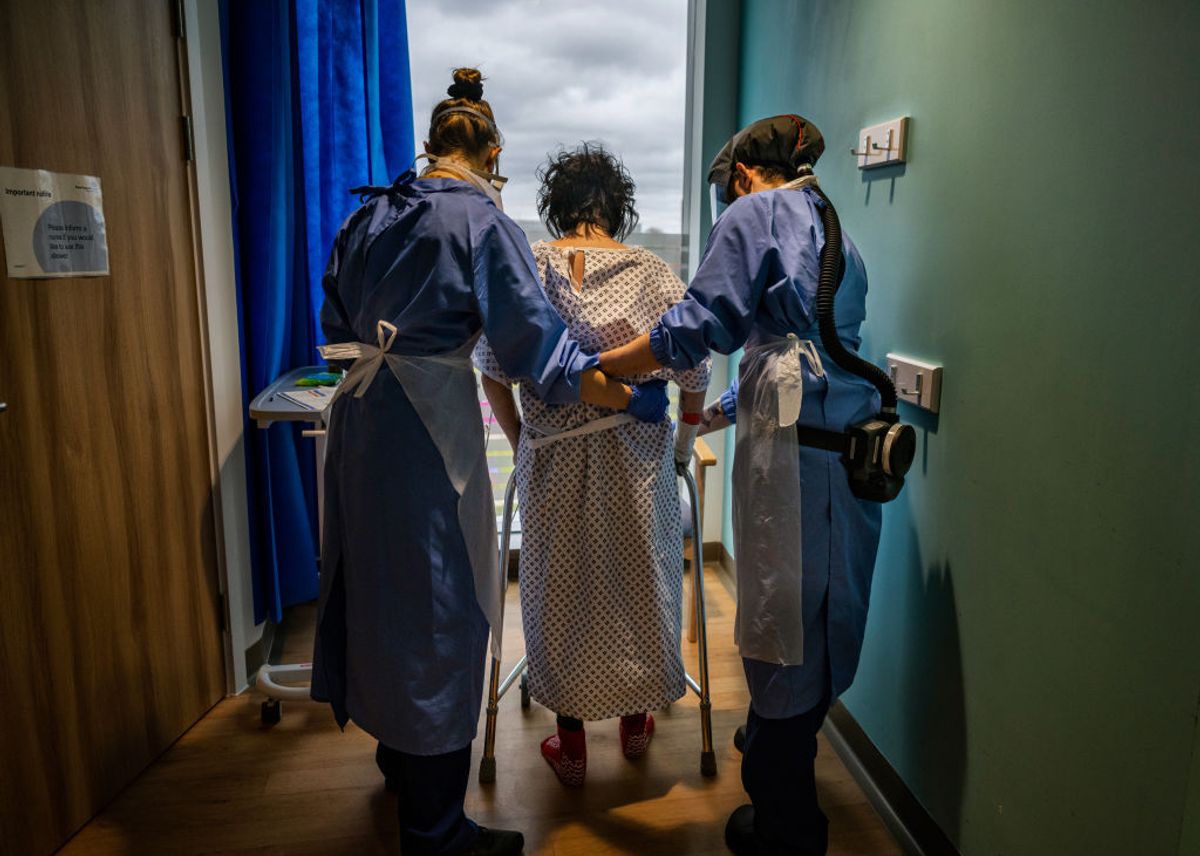
The Cicada variant does not appear to cause different symptoms than earlier strains (file image)(Image: Getty Images)
Common symptoms, which are similar to most Covid-19 cases, include cough, fever or chills, sore throat, congestion, shortness of breath, fatigue, headache, loss of smell or taste, and gastrointestinal issues, Today reports.
Symptoms can vary and may resolve with rest, hydration, and over-the-counter medications. The variant can also cause asymptomatic infections, meaning some people won’t feel sick but can still spread the virus.
If you think you have COVID-19, the CDCP recommends staying home, avoiding contact with others, and wearing a high-quality mask if you need to be around people. It says you should focus on recovery with rest and hydration, and manage fever or pain with over-the-counter medications.
People should seek emergency care if you experience severe symptoms such as difficulty breathing, chest pain, confusion, or bluish lips or skin.

Covid-19 still contributed to an estimated 290,000 to 450,000 hospitalisations and 34,000 to 53,000 deaths in the US(Image: Getty Images)
COVID-19 still contributed to an estimated 290,000 to 450,000 hospitalizations and 34,000 to 53,000 deaths in the US in 2025 alone, according to the CDCP.
Although BA.3.2 has many spike protein mutations that could reduce immunity, experts emphasise that vaccines still provide protection, especially against severe disease.
“It’s not completely clear how effective the current vaccine will be, but it likely still has some effectiveness,” said Dr. Adolfo García-Sastre, director of the Global Health and Emerging Pathogens Institute at Mt. Sinai.
Full list of common Covid symptomsCoughFever or chillsSore throatCongestionShortness of breathLoss of smell or tasteFatigueHeadacheGastrointestinal symptoms