
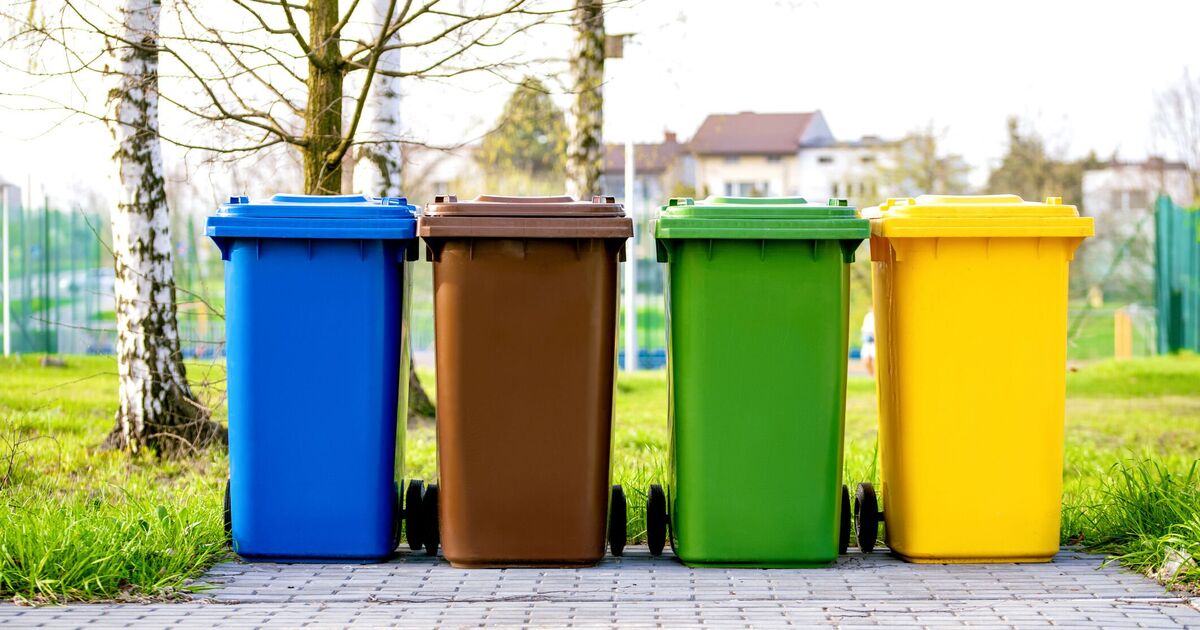
Households across England are set for changes to their waste collections from March 31 (Image: rzelich via Getty Images)
Households in England face new rules for bin collections starting from tomorrow (Tuesday, March 31) with up to four separate bins being rolled out for different kinds of waste. Households across the country could face a £400 fine if they incorrectly place certain things in their bins as the new rules come into force.
There is a list of items you can not put in certain bins and officials are warning residents about bin misuse. Going forward, most households in England could need up to four separate bins or containers, raising concerns about where they will be stored in smaller premises.
READ MORE: Man’s cheeky attempt to ‘bribe’ binmen with biscuits backfires
READ MORE: Rubbish blighting Britain ‘grave concern’ after 9% rise under Labour
From tomorrow, new mandatory collections will be rolled out and bin collectors across the country will now be required to collect waste categories separately.
The UK Government says that from 31 March 2026, waste collectors in England must collect the following types of waste separately:
food and garden wastepaper and cardall other dry recyclable materials (glass, metal and plastic, including cartons)residual waste (non-recyclable waste that is sent for energy recovery or to landfill)
All these types of waste must be collected from all households (including flats). Plastic film packaging and plastic bags will need to be collected with plastic recycling from 31 March 2027.
Consumer champion Which? has also highlighted the new plan for “four bins for English kerbside collections” on its website. It said: “The new default bin set-up for England will be four containers for your rubbish (five from March 2027). From March 2027, councils will add a fifth bin to collect soft plastics and films, including plastic bags, food sachets/pouches, crisp and biscuit wrappers. Multi-layered pouches, such as cat food pouches, won’t be part of this and will still have to be recycled at specialist points.”
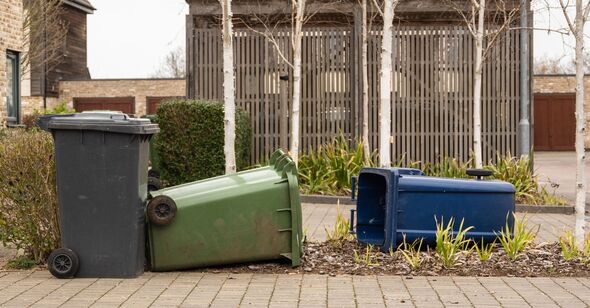
Wheelie bins can end up on their sides in strong winds which can be an issue in some areas (Image: Nicholas Murrall via Getty Images)
The Simpler Recycling scheme, outlined by the Department for Environment, Food and Rural Affairs, states: “We will make recycling easier: citizens will be able to recycle the same materials across England, whether at home, work or school, and will no longer need to check what is accepted for recycling in their local area. A universal standard will ensure that everything that can be collected for household recycling is collected in every region.
“Simpler Recycling will also end the ‘postcode lottery’ of bin collections in England, whereby councils collect different materials for recycling, causing confusion for households.”
The scheme also highlights items that cannot be recycled in the above categories — that full list is below.
Although the change will affect councils across England, not every household will experience major differences straight away. Some local authorities already operate recycling schemes that largely correspond with the new requirements, meaning residents in these areas may notice minimal change.
It’s essential to check your council’s guidelines and understand what the rules are in your area, and how and when they might change.
One thing people need to be aware of is that food and garden waste must be separated when the scheme begins, these items can no longer be placed in the same main bin. The biggest change for many will be the introduction of food waste collections, this is currently being rolled out nationally.
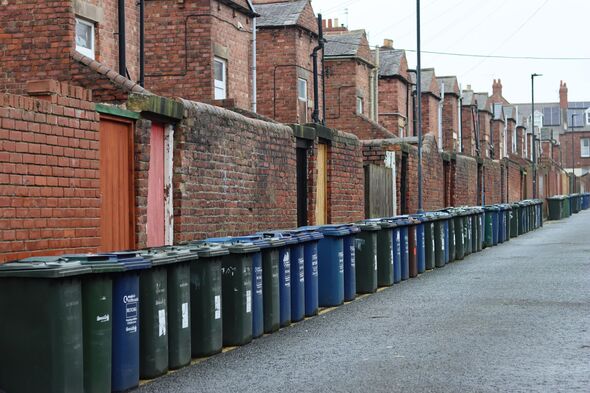
Some people have expressed concerns about where they would store four separate bins (Image: Francesca Leslie via Getty Images)
37 items you must not put in the new bins
The government says local authorities “should provide clear information to households about what can and cannot be recycled in each waste stream, to reduce confusion”. And it lists some of the materials that local authorities “do not need to” collect, meaning you shouldn’t put them in your recycling bins. The lists below give more examples of items that do not need to be collected. These are not complete lists.
Glasscandlesdrinking glassesflat glassglass cookware (such as Pyrex)light bulbs and tubesmicrowave platesmirrorsvaseswindow glassceramics, such as crockery or earthenwareMetallaminated foil, like pet food pouches and coffee poucheselectrical items and batteriesgeneral kitchenware like cutlery, pots and panskettlesironspipesmetal packaging that has contained white spirits, paints, engine oils or antifreezePlasticany plastic packaging or non-packaging items labelled as ‘compostable’ or ‘biodegradable’, including coffee podsplastic bottles that have contained white spirits, paints, engine oils or antifreezebulky rigid plastics such as garden furniture, bins and plastic toyspolystyrene (expanded and high impact) packaging such as packing beadspolyvinyl chloride (PVC) packaging
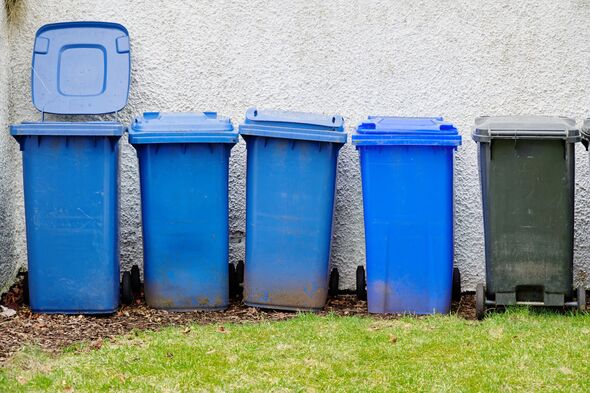
Households could face a fine if they put a banned item in the incorrect bin (Image: Richard Johnson via Getty Images)Paper and cardfood and drinks cartons made of a fibre-based composite (these should be collected in the plastic stream)absorbent hygiene products (AHPs) including nappies, period products and incontinence productscotton wool or makeup padstissue or toilet paperwet wipesFood wasteany plastic packaging or non-packaging items labelled as ‘compostable’ or ‘biodegradable’, including coffee pods.Garden wasteanimal beddingbulky waste (including garden furniture and fencing)garden tools or other gardening equipmentplant potsplasticsandsawduststone, gravel or brickstea bags or coffee groundsbranches and trees over a certain size may have to be cut into smaller pieces to follow local guidance