
Home » CRUISE NEWS » Australia’s Heritage Supports Rediscovery of Marsupial Extinct for 6,000 Years, Opening New Travel Opportunities
Published on
March 30, 2026
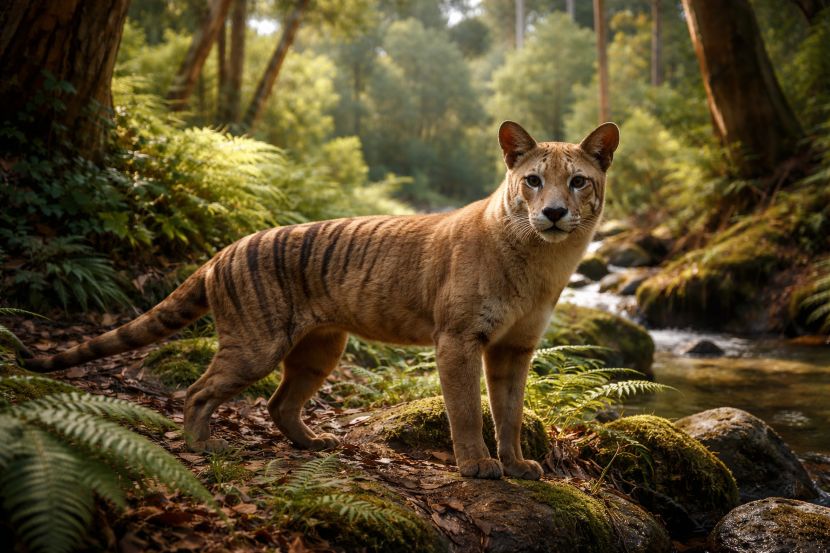
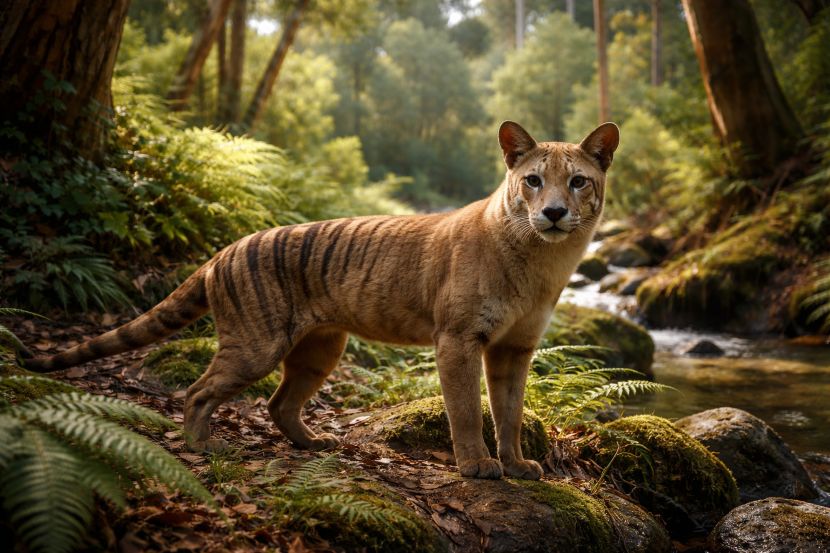
Image generated with Ai
The rediscovery of a marsupial species thought to have been extinct for over 6,000 years has stunned the scientific community and revitalised interest in Australia’s rich natural heritage. This incredible comeback has significant implications not only for the scientific world but also for tourism, offering a unique opportunity to explore Australia’s prehistoric wildlife.
A Leap Forward in Conservation
Until now, this fascinating marsupial’s existence had only been theorised based on fossil evidence found in ancient deposits. Its sudden rediscovery brings a glimmer of hope for the preservation of Australia’s endangered wildlife. Heritage and conservation groups have rallied together to fund an expedition aimed at proving the possibility of reviving this extinct species. Experts suggest that the rediscovery of this creature is more than a scientific curiosity—it represents a turning point in how the world perceives the extinction process. The involvement of local communities in these efforts is integral, as it ensures the preservation of local heritage and provides economic benefits to the region, particularly through eco-tourism.
Rediscovery Offers Economic Opportunities for Eco-Tourism
The idea of witnessing the return of a long-lost species resonates with modern travellers eager for sustainable and educational experiences. The discovery of this marsupial opens the door for tour operators and conservation experts to offer unique, guided experiences to various remote locations across Australia. The connection between heritage conservation and eco-tourism can also foster a deeper appreciation for the importance of preserving the natural world, all while benefiting local economies and supporting national parks.
The Role of Heritage and Cultural Significance
Australia’s heritage and cultural identity are intricately tied to its unique and often rare wildlife. For Indigenous communities, who have a deep connection with the land and its ecosystems, the return of such species is a significant step towards cultural preservation. These collaborations help bring attention to the need for stronger conservation policies while also engaging the public in supporting wildlife protection efforts.
Bringing the Past to the Present
Many people, both locally and internationally, find the idea of interacting with a species that existed during the Pleistocene era incredibly thrilling. This rediscovery fuels the desire to preserve Australia’s natural environment while promoting educational and immersive experiences. The project’s key goal is to study the marsupial’s behaviour and habitat, using cutting-edge genetic techniques and conservation strategies.
Expanding Australia’s Role in Global Biodiversity Conservation
The rediscovery of the Megalibgwilia ramsayi is not just a local phenomenon—it has global implications for biodiversity conservation. Australia has always been a hub for unique ecosystems, and this rediscovery reinforces the country’s position as a leader in global conservation efforts. In addition to its tourism potential, the research undertaken through the project could lead to discoveries that benefit other species that are at risk of extinction.
Advertisement
Advertisement
A New Chapter for Australia’s Natural Heritage
As Australia continues to face environmental challenges, the rediscovery of species like the Megalibgwilia ramsayi offers both hope and inspiration. The project to resurrect this ancient marsupial is more than just a scientific endeavour; it is a testament to the strength of Australia’s conservation community and its commitment to preserving the nation’s unique natural heritage.
The tourism potential of such a rediscovery is not only economically promising but also serves to remind travellers and locals alike of the importance of protecting Australia’s diverse wildlife. By combining heritage conservation with eco-tourism, Australia is taking meaningful steps towards a more sustainable future—one where the past can coexist with the present in a thriving, biodiverse environment.
Conclusion: A Journey to the Past
For those interested in both conservation and unique travel experiences, the rediscovery of the Megalibgwilia ramsayi opens a new chapter in Australia’s natural heritage. As scientists, conservationists, and local communities work together to bring this species back to life, eco-tourists will have the rare opportunity to witness an extinct creature’s return, contributing to the ongoing dialogue about biodiversity conservation. This rediscovery not only preserves the essence of Australia’s prehistoric wildlife but also ensures that future generations will have the chance to marvel at the nation’s remarkable ecological heritage.
Advertisement
Advertisement
