
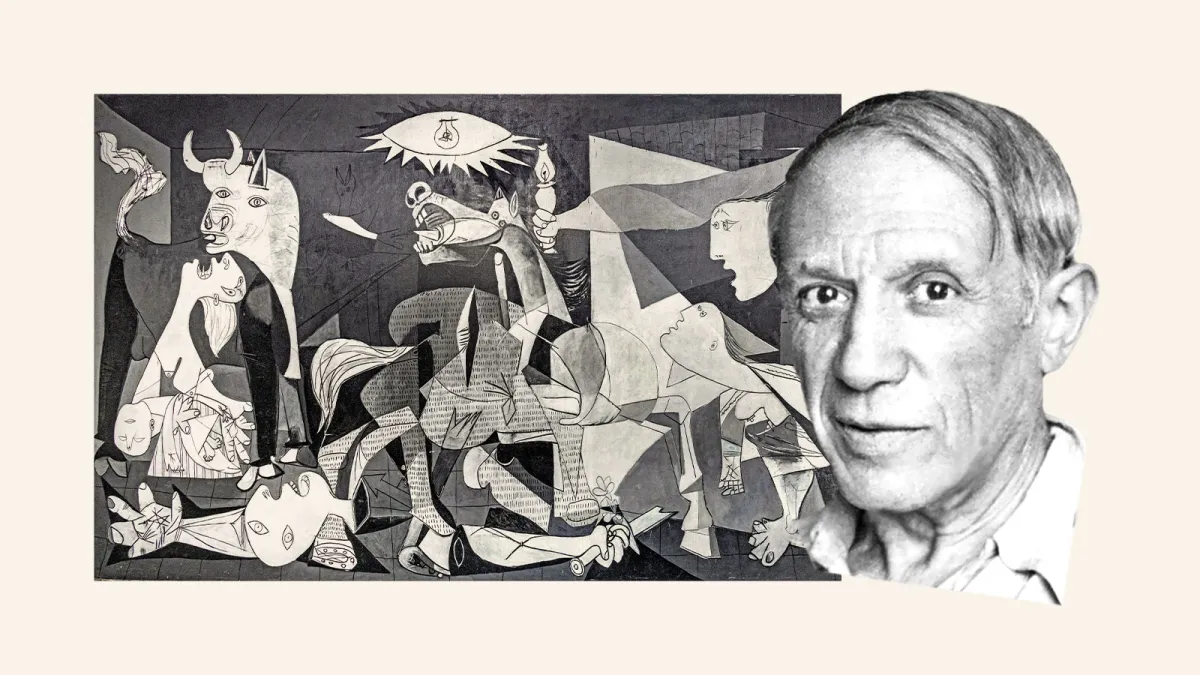
Picasso’s anti-war painting Guernica had a peripatetic history before it found a permanent home in Madrid’s Reina Sofía museum. But Basque politicians have renewed calls for the vast tableau to be transferred to the region whose suffering inspired its creation.
Aware of the weakness of Pedro Sánchez’s grip on power — the prime minister is dependent on the support of two Basque parties in parliament — the Basque regional government leader, Imanol Pradales, called on him last week to authorise the temporary transfer of the painting to the Guggenheim Gallery in Bilbao.
Previous requests have been rejected, but Sánchez did not turn down the proposal outright, instead directing that it proceed through the Ministry of Culture.
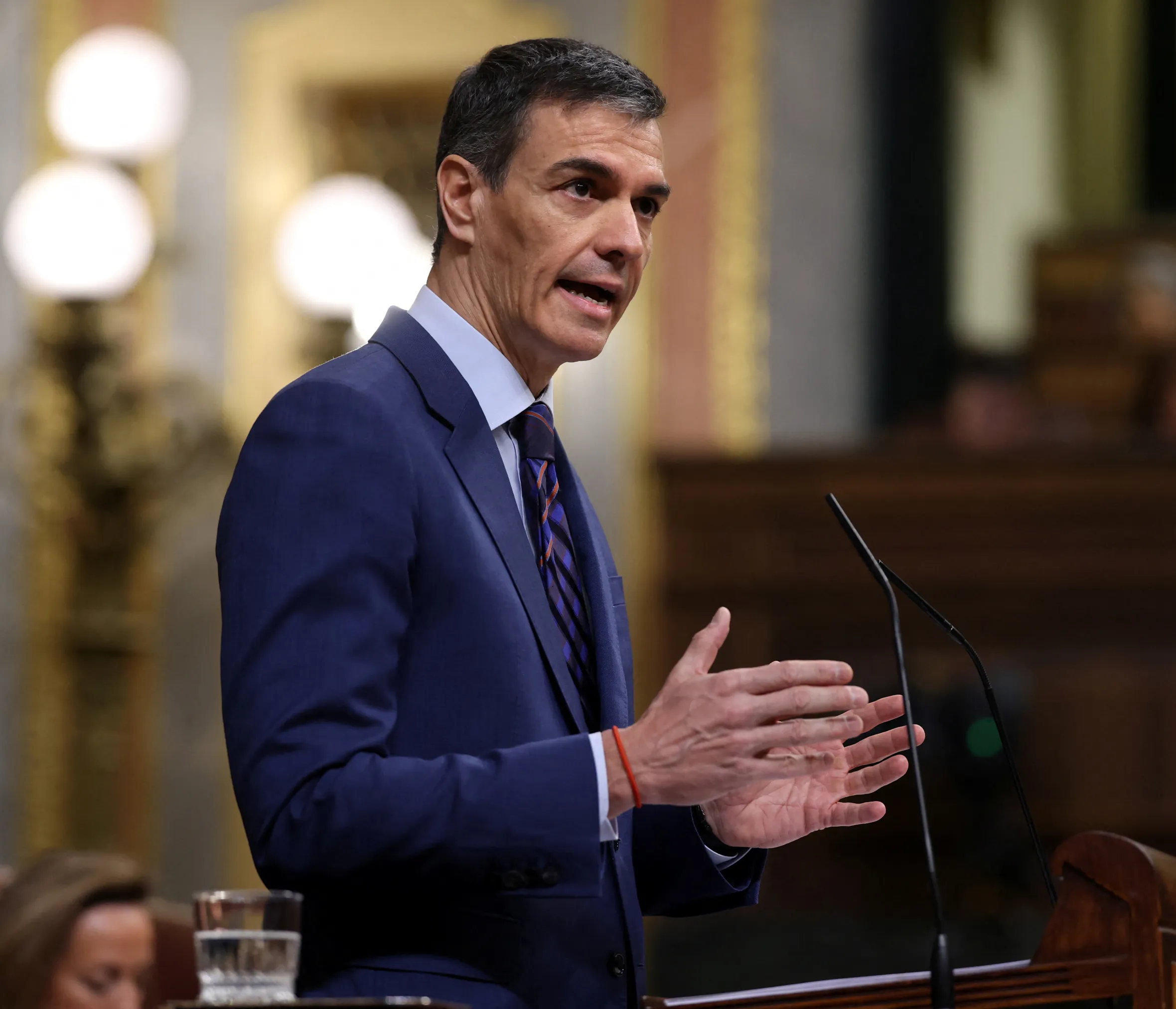 Pedro Sanchez addressing the Spanish parliament last weekthomas coex/AFP/getty images
Painted in 1937 by Pablo Picasso, Guernica was created in Paris for the Spanish Republic’s pavilion at the World’s Fair, in response to the bombing of Gernika — first reported by The Times — by German and Italian aircraft fighting in support of Franco during the civil war.
The monochrome canvas, completed in weeks, became a symbol of civilian suffering. Picasso later described the painting as “an instrument of war for attack and defence against the enemy”, a remark often read in light of the work’s enduring political force.
After its Paris debut, the painting toured internationally before being placed in the care of the Museum of Modern Art in New York. Picasso stipulated that it should not return to Spain until democracy had been restored. It was transferred in 1981, first to the Prado and later to the Reina Sofía, where it remains the gallery’s centrepiece and star attraction.
The Basque proposal is to display the work at the Guggenheim Museum Bilbao for several months between this year and next, coinciding with the 90th anniversary of the bombing and the first Basque government.
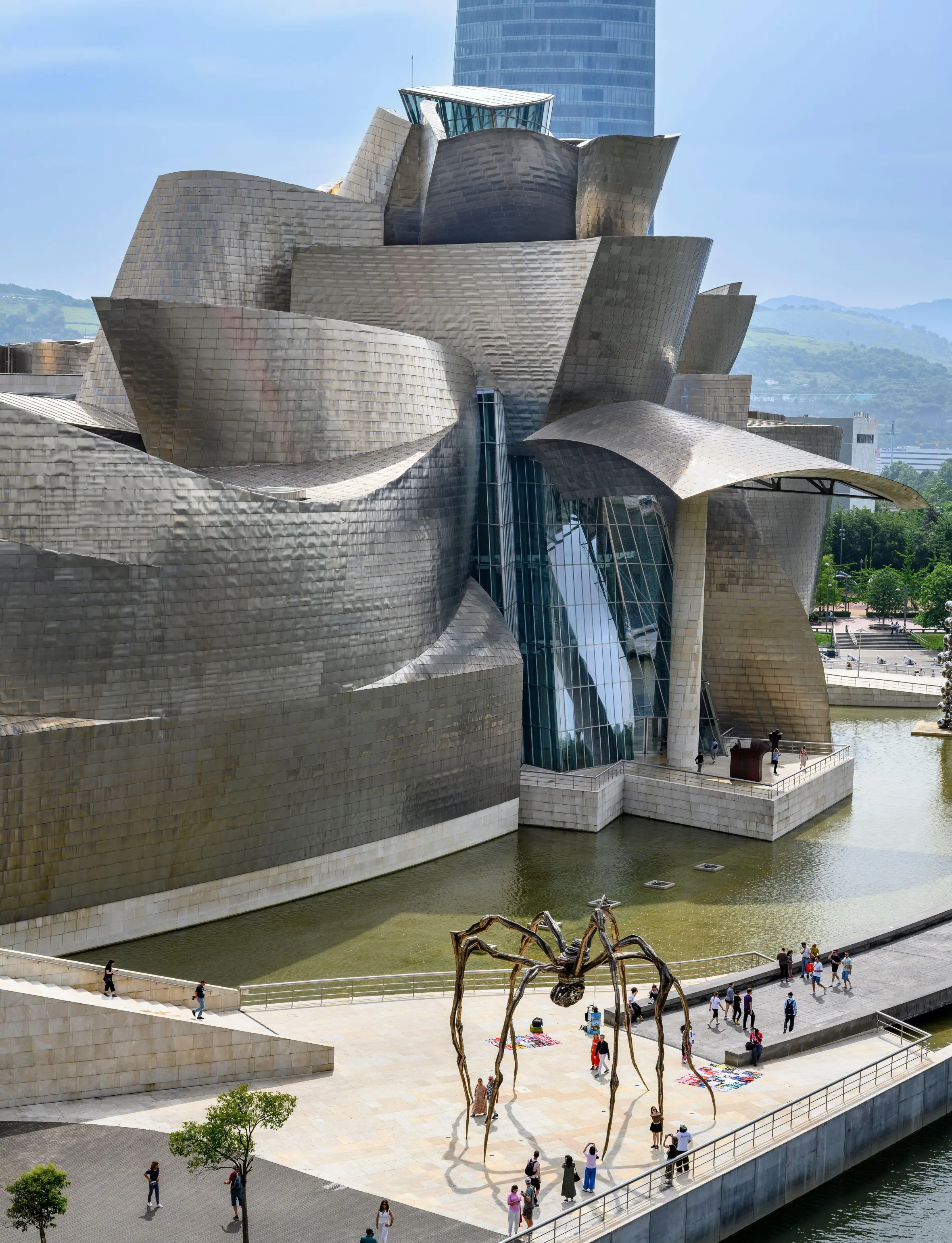 The Guggenheim in BilbaoAlamy
Regional leaders say that exhibiting the painting in Euskadi, as the Basque Country is known in Basque, would provide historical recognition and place the work in its original context.
Madrid’s institutional position, however, remains unchanged. The Reina Sofía has reiterated that the painting is too fragile to travel, citing risks of structural damage from vibration or movement.
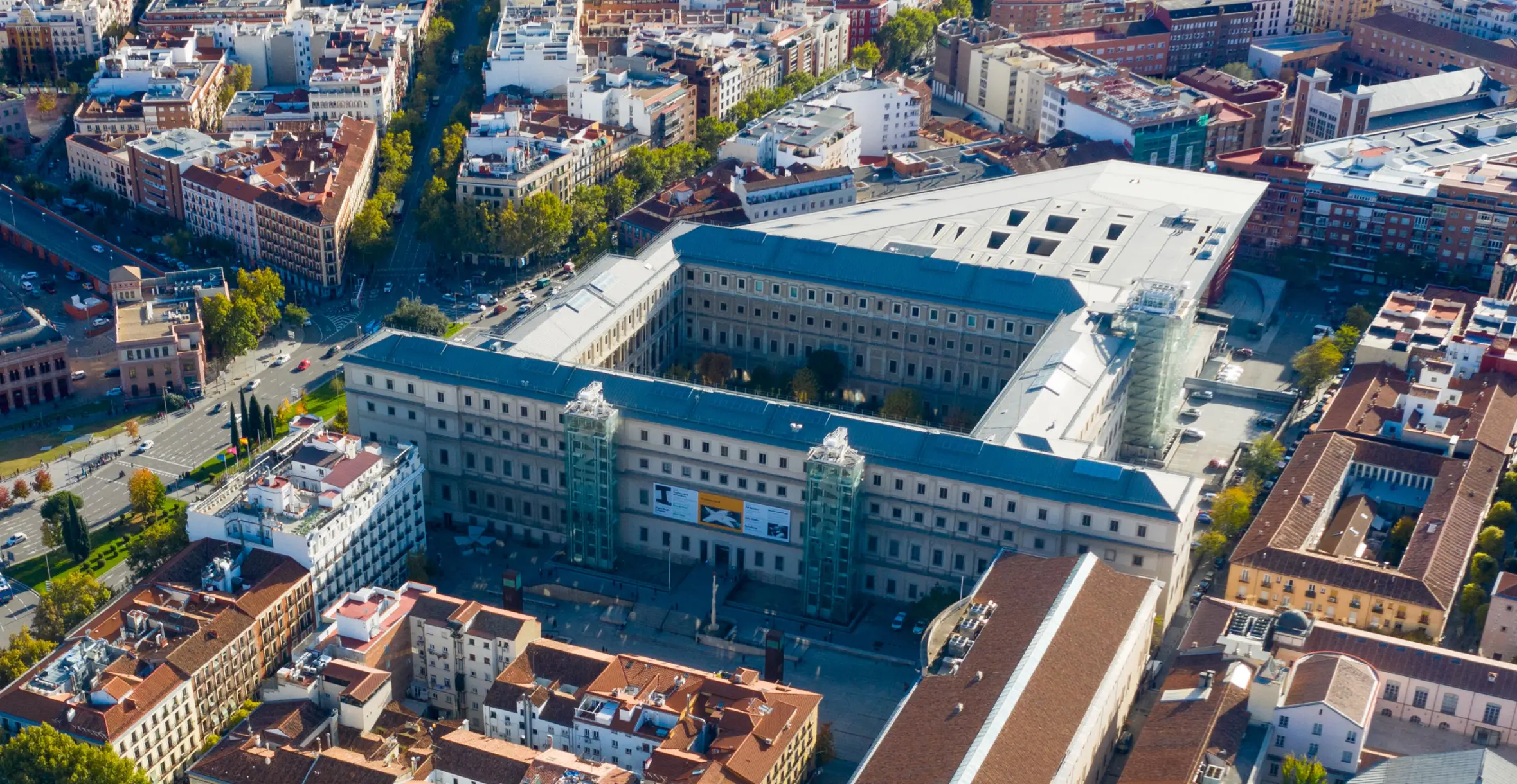 The Reina Sofía, MadridAlamy
Yet the issue cannot be entirely separated from parliamentary arithmetic. Sánchez’s minority government depends on the support of Basque nationalist parties, including the Basque Nationalist Party and EH Bildu, which has historical ties to the terrorist group Eta.
Both parties have consistently emphasised questions of historical memory and territorial recognition, and while neither has made Guernica a formal condition of support, the renewed demand comes amid a broader negotiation between Madrid and the Basque Country.
Pradales warned Sánchez that refusing to consider the transfer would be unacceptable, saying that “shutting the door on this request would be a grave political error”. He added that the painting’s transfer to the Basque Country would be “a message to the world” about “what war entails and the atrocity that derives from dictatorships”.