
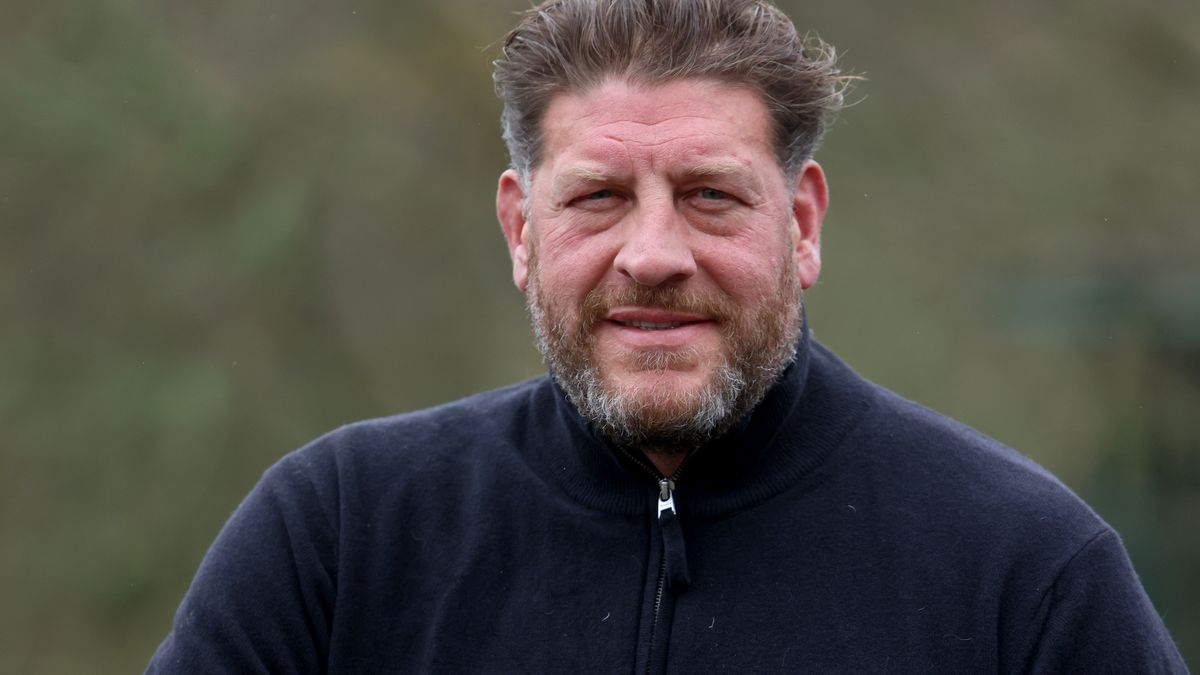
Former Wales lock Andy Moore gives his view on the state of the Welsh game
15:10, 31 Mar 2026Updated 15:59, 31 Mar 2026
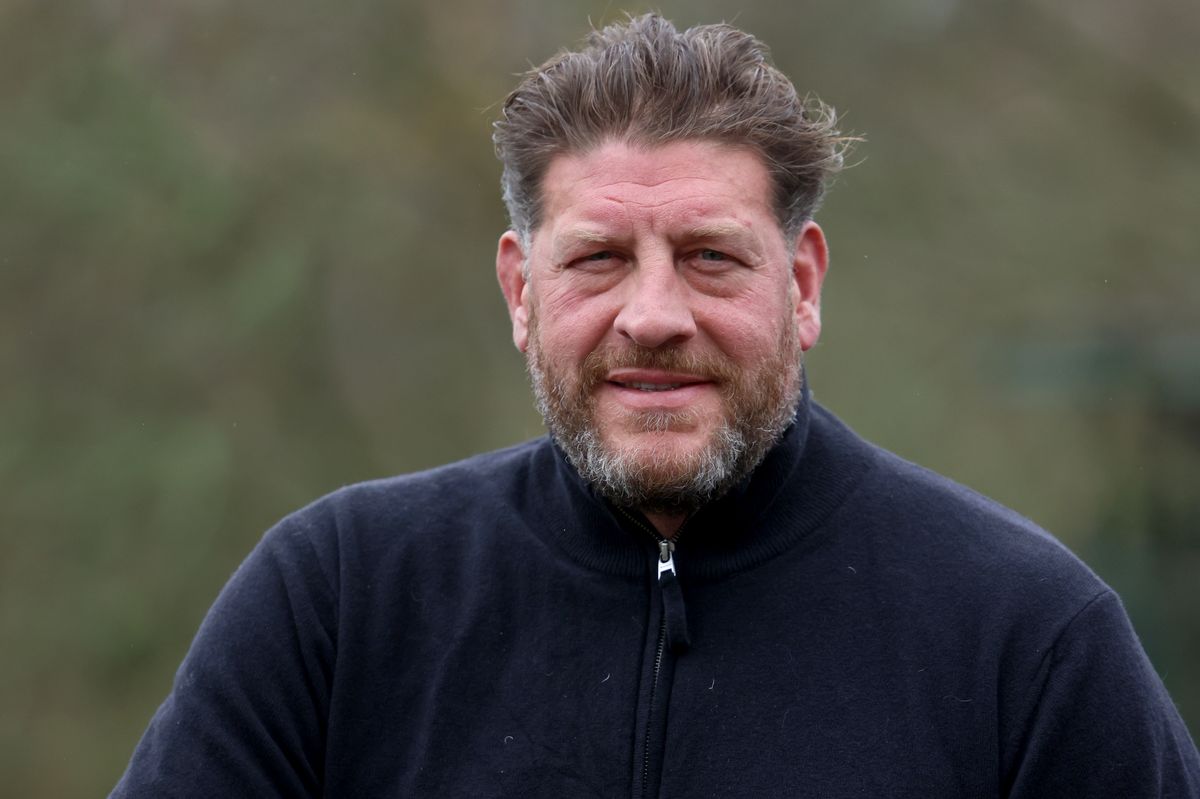
Former Wales second-row Andy Moore, now 52
The increasingly febrile debate over the future structure of Welsh rugby has begun to spill beyond boardrooms and into the public square, where passion too often outpaces evidence.
At its heart lies a question that appears deceptively simple, whether the Welsh Rugby Union should reduce its professional footprint from four regions to three, yet the implications run far deeper, touching identity, community, and the long-term viability of the national game.
From columnists and former internationals to supporters fiercely loyal to their regions, opinion has been both abundant and sharply divided, making clarity increasingly elusive.
Amid the noise, one voice has emerged with particular authority: that of Andy Moore, whose measured and incisive Substack essays have helped to frame the argument with a degree of rigour too often absent elsewhere.
Moore has been heavily involved in Welsh rugby for over 30 years as a top-class player for both Swansea RFC and Wales national rugby union team and now coach of South Gower RFC Youth.
The 52-year-old pulls no punches when asked about the future of Welsh rugby.
“This is a generational issue and I think we’ve got one shot at this,” he tells WalesOnline.
“I don’t think that will happen immediately but we will probably come into a period of managed decline and contraction.
“From what I can see at grassroots level I can see the talent is there so I think that needs somewhere to go.
“I think you take that fourth region out and there’ll be consequences.
“Maybe we can’t fill it straight away. It is like buying shoes for a kid who is two sizes too big.
“He will eventually be big enough to wear those shoes. There may be a lag but if we get the pathways right we will eventually be saying ‘we need that fourth region now’.
“There’s a period where we will have to suck it up and try to make the pot bigger. I don’t want us to hamstring ourselves for the future and look back and say we shouldn’t have done that.”
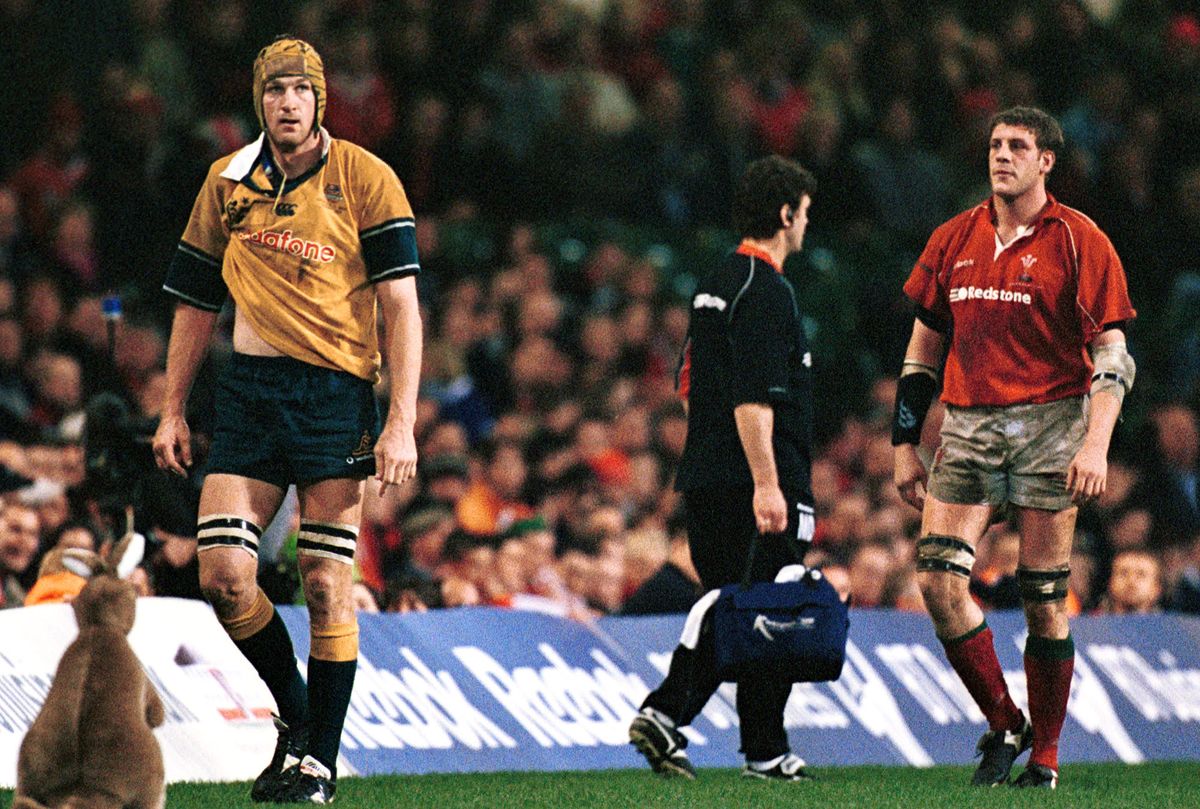
Andy Moore of Wales in 2001
As a player some of Moore’s fondest memories came at St Helen’s playing for Swansea with the Rebel Season of 1998-99 when the Whites and Cardiff left the Welsh leagues to play against English clubs the highlights.
Moore was heartened to see the redevelopment of St Helen’s get the go ahead last week, with Swansea Council and the Ospreys funding the move which includes a new 4G pitch.
He believes losing the Ospreys would hit Swansea hard.
“Given the information we’ve got and looking at it from a personal point of view to lose the Ospreys would be an absolute tragedy,” he said.
“That’s not to say three isn’t the right answer but we’ve yet to see any evidence to the contrary.
“We’ve been told that going down to three is needed but why? We were told through the consultation that change is needed and that is not in dispute.
“But how is that change going to be implemented? I’m not a three or four die-hard but I think if you do lose a region there are going to be ramifications, especially socio-economic.
“I think a lot of evidence is needed to justify any cuts.
“There’s 70-odd clubs in the Ospreys region at minis and junior level who will turn up at the club with their Ospreys top on.
“We have 300 kids at South Gower RFC and they are not going to put on a Scarlets shirt straight away.
“That would be a big transition in itself.
“They are probably more likely to pick up a white shirt and go to watch the Swans play football. At that age it can be that fickle and a lot of kids do play both sports.
“You wouldn’t see that immediately but I think you’d see that in 10 years time in terms of participation and the talent we are bringing through at senior level.
Download WalesOnline’s mobile app for our best reading experience for subscribers
“St Helen’s won’t only be good for the Ospreys but for the Whites as well and the community. I’m a community coach and I’ve always had problems getting onto that pitch to play any games or finals that we’ve been in.
“It is going to have massive benefits to the community so huge credit has to go to the Swansea Council leader to get it done.”
There are those who support the WRU’s plans to reduce the number of professional clubs from four to three, citing a lack of money and sufficient talent.
But Moore, who is well-placed to judge the talent in Wales having helped push through his son Will, Evan Morris, Noah Williams and James Fender into professional rugby, is confident there is enough talent in Wales to service four strong professional teams.
Moore believes there needs to be an emphasis on keeping young talent in the game who don’t immediately make the grade.
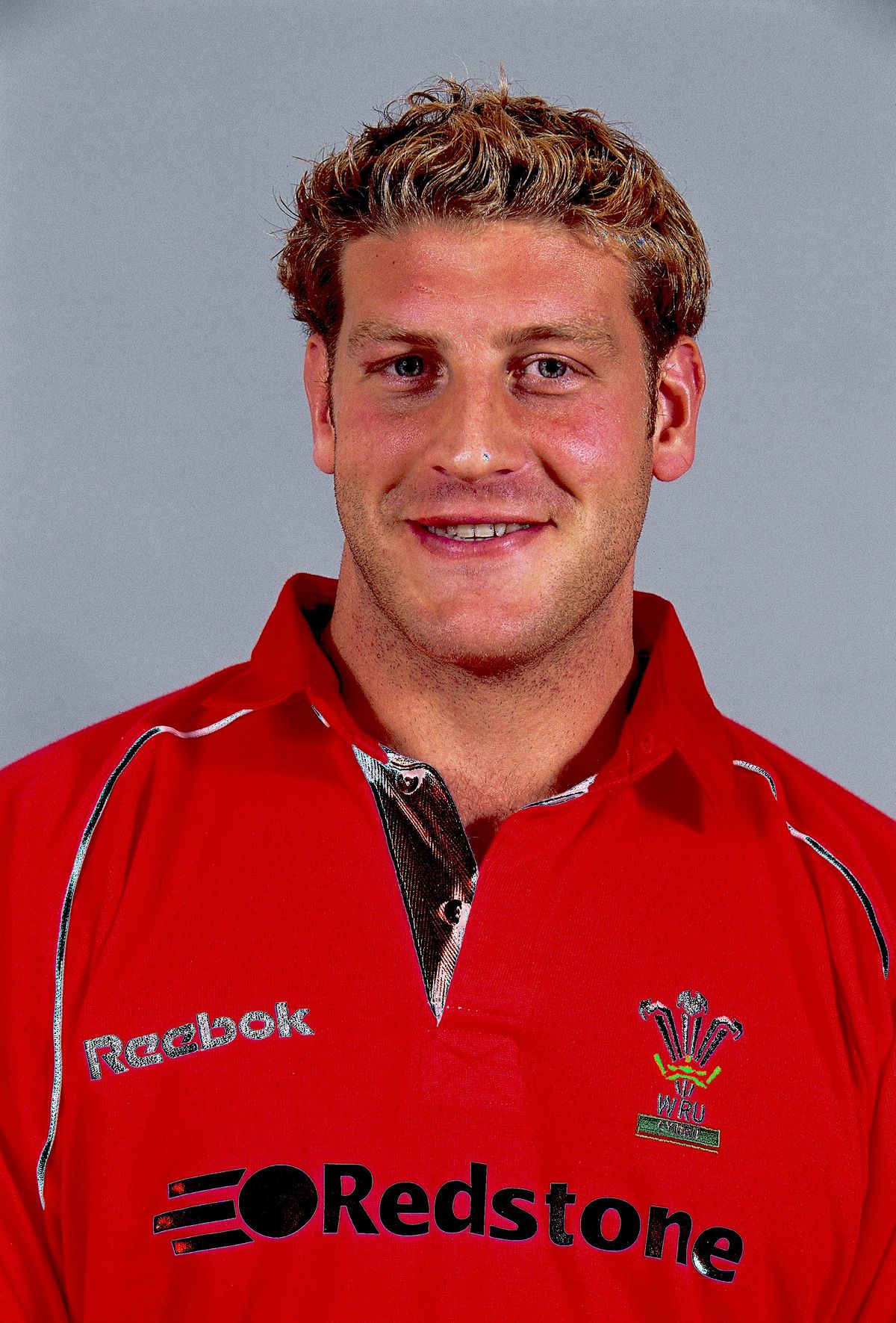
Andy Moore’s life has been built around Welsh rugby
“Yes, 100% there’s enough talent in the game for four regions in the future,” Moore tells WalesOnline.
“We’ve got a layer in there between 18 and 23 where I think we are losing players. I think that’s a big problem.
“That’s something that needs addressing.
“How do we keep rugby players in the game as long as possible? We need to bridge that gap between U18s and senior to keep them playing.
“Some players develop later. It is about keeping that base as broad as possible and giving them the opportunities in the pathway to excel.
“I’ve had two youth groups for the last four years as well and we won the Ospreys Cup four times and the league three times.
“We’ve had very good players come through.
“Will, Noah Williams who is at the Bears, James Fender came through, Dan Gemine, and Evan Morris.
“There’s lots of players we’ve pushed through from a tiny village club. That’s my thing.
“We’ve got four in the Wales U20s squad from our little village club.
“You multiply that by 77 (ospreys clubs).
“I’ve always seen my job as a grassroots coach to produce players to play for Wales. You do your small bit and the by-product of that is you produce good young men.
“You then get good teams which might win a few things. The point is to bring these boys up to be good boys for the community and to excel as far as they can.
“We’ve got a great youth system in Wales.
“I’m a youth coach so I’ve seen the quality of the youth teams and we do really well against any English outfit.
“Anything up to 18 we are very good but the problem is once those players who are in schools or colleges they don’t get to play for their local youth team.
“My solution would be for the SRC teams to have U18s and U20s teams which could act as a step up.
“We can’t compete with the English at schools level because we just haven’t got the infrastructure for it.
“Our game has always been built on the grassroots clubs where you play for the youth team.”
Moore looks back on his own rugby career fondly, especially his time playing for the Whites.
He cites the derbies against Llanelli as some of the best games of his career, particularly his personal battles with Scarlets lock Chris Wyatt who was his rival for the place in the Wales team.
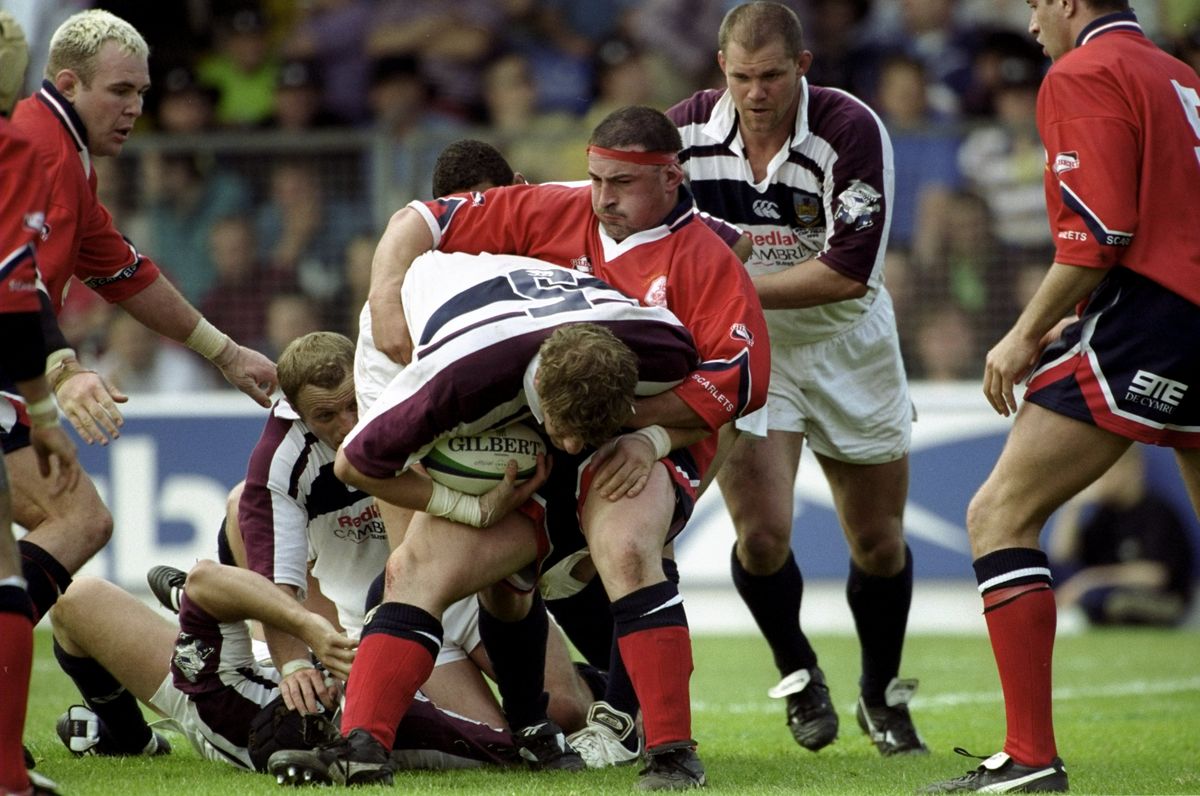
Andy Moore in action for Swansea against Llanelli in 1991
Having come from north Wales it was always going to be far harder to break into the professional scene in the south and Moore owes a lot to Mike Ruddock.
“Coming from north Wales it was very difficult to get into the south Wales rugby scene,” he recalls.
“From Clwyd in North Wales I had to do eight trials to get into the probables and possibles before getting into the Wales U18s team.
“But it was made a lot easier for me by my brother doing it the year before.
“He is two years older than me and played Wales U18s. I remember coming down to see him play with Scott Quinnell in the team against Japan at the Gnoll.
“I saw Scott play for the first time and thought these are the sort of players I want to play with.
“Mike Ruddock always tells the story.. I was playing football at the time and he’d always be ringing the house trying to sign my brother.
“He phoned me one day and said is your brother there and I said ‘no he’s not here at the moment.’ He said ‘who are you?’ and I said I’m his brother Andy who is two years younger.
“He then said are you any good at rugby so I replied yeah, I’m better than my brother. He signed me a year later then.
“I remember the first training session I had at Swansea with Richard Webster, Scott Gibbs, Robert Jones and Tony Clement. I was in awe of them and they were a great club with some great people involved.”
The Welsh Cup final against Llanelli in 1999 was also a standout memory for Moore when Swansea claimed a famous 37-10 victory which prompted Gibbs to label it ‘men against boys’.
“I played against Wyatt then and we were vying for the same position with Wales,” he said.
“That was a great day. I also played in the 1995 cup final against Pontypridd in the old stadium which we won.
“I had some real ding dongs with Chris Wyatt.
“They put the Swansea wives in front of the Llanelli wives. I think it was harder for my wife because she was behind Robin McBryde’s wife.
“Everytime I nicked a lineout it kicked off.
“We were all close with the players but on the pitch the gloves were off.”
But undoubtedly his best memories of Swansea was the Rebel season.
“It massively benefitted us playing against English clubs every week,” he tells WalesOnline.
“The proof was in the pudding when we completely dominated Llanelli in that cup final.
“We were offered five slots in the English Premiership but the WRU said no, we want 10.
“But we went to five regions a few years after before going down to four. So, that was just a massive missed opportunity.
“It was a different level to playing in the Welsh league. Playing Bath at home, Leicester at home, Wasps at home.
“I think we played a champions against champions game with Johnny Wilkinson and Tuilagi playing but we beat them at home.
“We put 40 points on Wasps at home and there was about 15k-16k at St Helen’s. The place was absolutely rocking.
“The only other time you’d get that was when playing Llanelli or Cardiff at home. The intensity on a week to week basis was something else.
“I remember playing France around that time…. A year before we played France at the old Wembley and the week before I played Cross Keys.
“No offence to them but it wasn’t the best preparation to play France and we ended up getting hammered.”
Winning the first of his 26 caps for Wales was also an eye-opener for the man who also had stints at Bridgend and Cardiff Blues.
“My first cap was against South Africa and I came on for Derwyn Jones when he got stretchered off after he got clocked by Kobus Wiese,” he said.
“I was 21-years-old at altitude going ‘oh my God’. In the first scrum Springboks lock Mark Andrews sent one through and punched John Davies the prop.
“I was like wow, okay this is what it’s all about. I gave Mark Andrews a bit of a shove in the lineout and he gripped me and went ‘me and you are going to meet boy!'”
“That was interesting. To be fair after the game Mark asked to swap shirts with me.
“You only had one shirt then so I kept mine and he gave me his. They were nice guys off the pitch but would kill you on it.
“When we won out in France in 2001 was a real highlight of my Wales career.
“I remember being sat on the changing room floor in my pants after the game drinking a bottle of beer when Graham Henry came up to me and said ‘you had a world class game’.
“I thought it doesn’t get much better than this!
“Everything changed when Graham came in. Everyone who had a reputation had to start from zero.
“Graham came with a team in his head and that team stuck for a year or so. Then there were the ups and downs with Grannygate etc.
“It took me a while to win him over. I’m good friends with Chris Wyatt now who came on my stag do but as players we used to push each other hard.
“That’s how you get the best out of players with competition. I played my best and he played his best.”
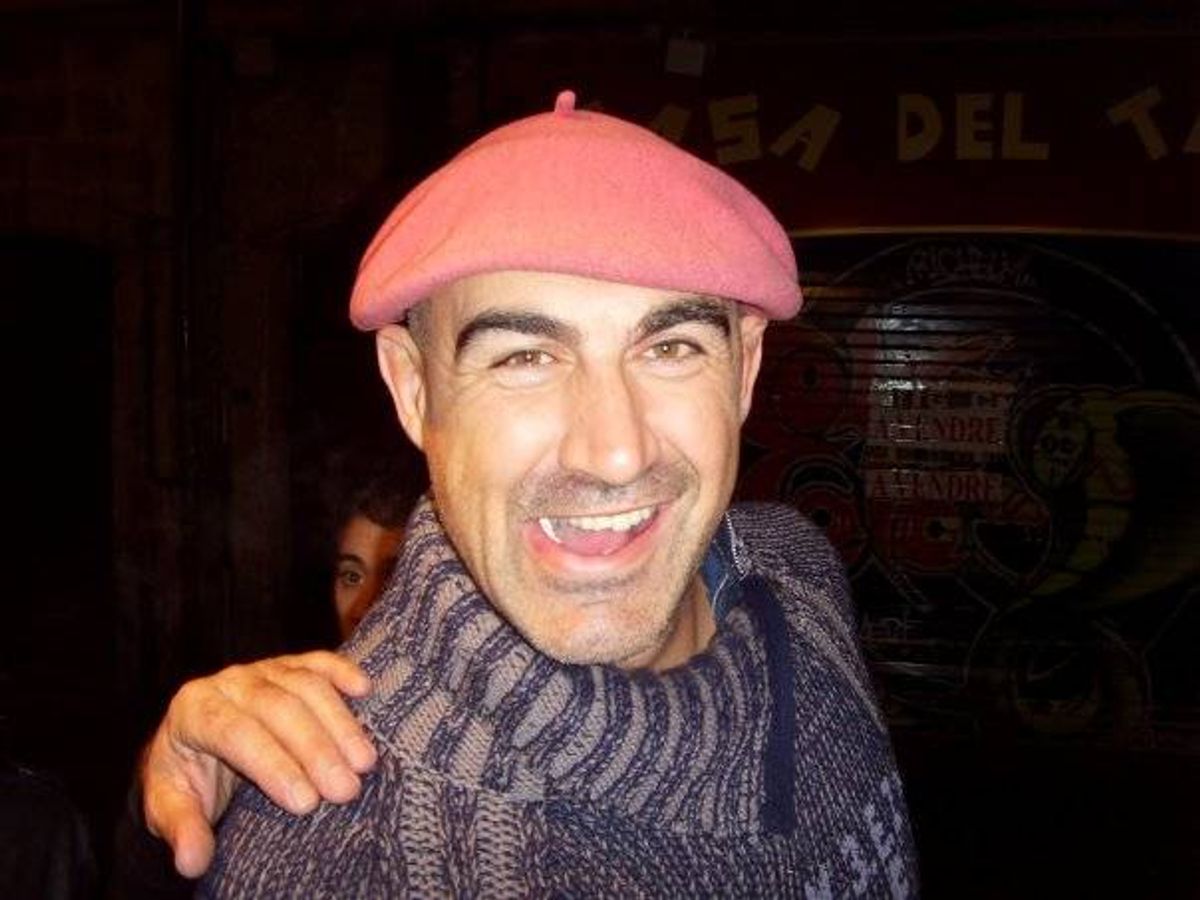
Chris Wyatt now lives in the south of France
These days alongside his commitments with South Gower RFC, Moore runs a company called Athlete Career Transition which helps former professional athletes plan for life after sport.
“It’s a bit of a shock to the system when you do retire from professional sport.
“You miss your mates, the structure and discipline but 100% of athletes have to retire.
“After being in business and a bit of finance for seven years I set up a company called Athlete Career Transition. Over the last 15 years me and my brother have been helping elite sports people get careers after they retire from professional sport
“We’ve helped thousands of athletes across the world. We are now a global business.
“We’ve helped them with that transition from sport into the business world. We’ve built an online community of athletes working with major global companies who want to hire these elite athletes for their business.”
Follow all of our channels to ensure you stay up to date with the latest Welsh rugby news. Sign up to our free daily newsletter here and our WhatsApp channel here for all the breaking news.