
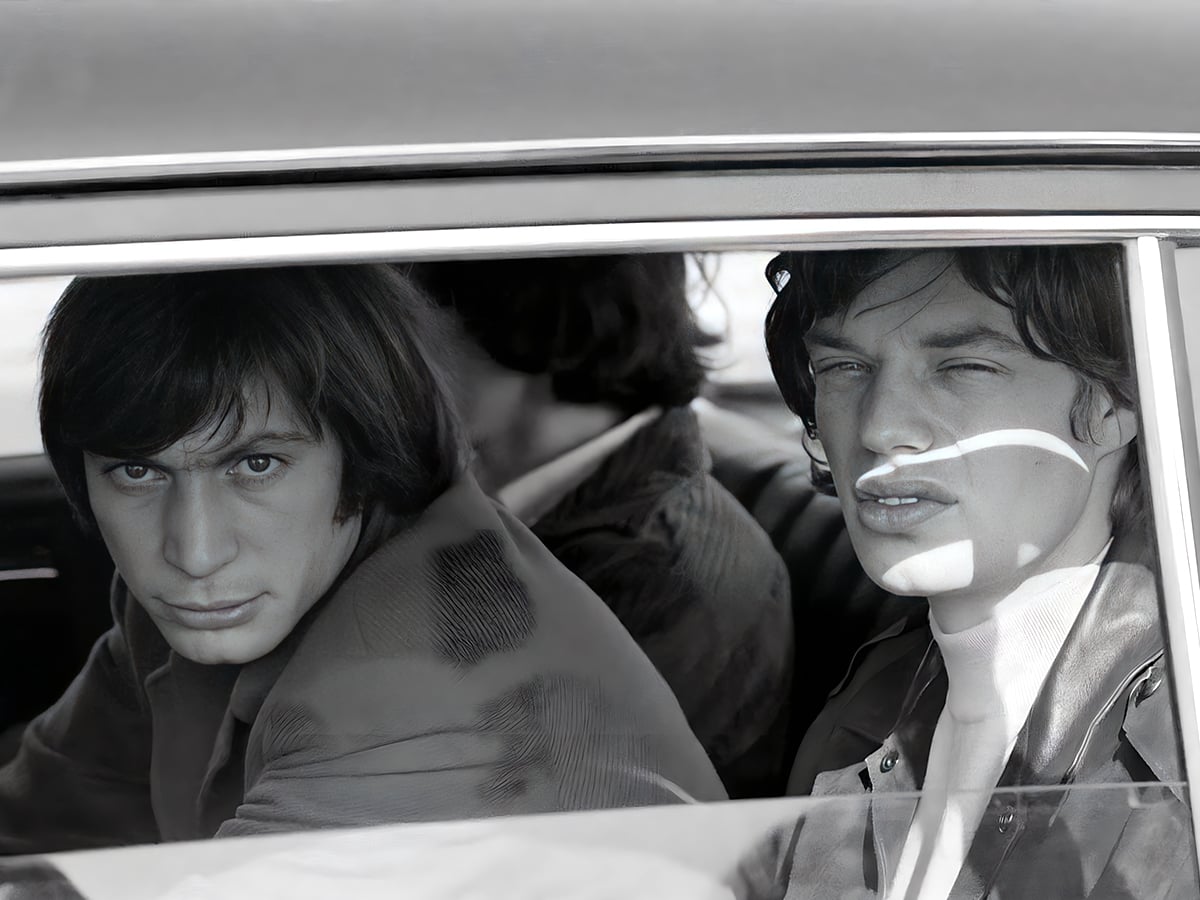
(Credits: Bent Rej)
Tue 31 March 2026 21:00, UK
Being the drummer of The Rolling Stones would seemingly come with an inevitable life of rock and roll chaos.
Following in the drunken slipstream of Keith Richards and Mick Jagger, Charlie Watts had everything in place to squeeze every drop of the industry’s hedonism, should they so wish, and combine that with the pressure to compete with your instrumental counterparts, Keith Moon, John Bonham and Ginger Baker, they all embraced the chaotic energy of a drummer’s lifestyle, proudly exercising the mantra of ‘sex, drugs and rock and roll’.
But Watts bucked that trend and represented a somewhat refreshingly conservative antidote to the heady world of The Rolling Stones, both on and off stage. It wasn’t as if he was reserving all of his chaos, waiting to unleash it onto his kit the minute the stage lights turned down; no, he practised a rather mellow approach to all facets of his life and consequently, anchored the sprawling rock and roll sound of one of the world’s most chaotic bands.
“I’ve never played with a drummer quite like him,” Jagger once remarked of his bandmate. But as he continued to explain why he was so unique as a musician, he in turn explained how his temperament guided the art form. In essence, Watts’ early style, which wasn’t rock and roll at all, gave some balance to the early sound of the band, which, in Jagger’s mind, helped separate them from the rest of their peers.
Jagger said, “He really swings. That’s the bottom of it. A lot of drummers are great, but they don’t really swing. Charlie is not a power drummer. He’s a swing drummer, which I suppose shows that he’s a jazz drummer; he started being a jazz drummer. I don’t think he ever thought of playing rock and roll. Rock and roll was a dirty word to him, I should think, when he was growing up, because he liked all these jazz drummers that play with a very light touch, swing drummers that never played eights. Charlie, I don’t think, ever played eights, when I met him.”
Ultimately, there came a point where Watts’ hand was somewhat forced. You can’t be in the rhythm section of a world-conquering rock and roll band and not let loose from time to time, and so, after early years of the band spent with Jagger and Richards, who were beginning to bring a more hardened edge of rock and roll to the band’s sound that would swiftly conquering the world, Watts clicked into a similarly rocky gear.
Jagger continued, “Then he had to get into playing heavier shuffles, but he plays it with a very light touch. He loves all those blues drummers of the period, like on, Chuck Berry’s records and the drummers that play with Muddy Waters. Those kind of shuffle drummers. When you listen to those records, you can’t really hear the drums like you hear them now, but it just swings like crazy.”
It’s easy to look at The Stones, in particular Jagger and Richards, and remark on how integral they are to the success of the band, to a point where you could quite easily say they would not have been the band they were without those two.
But maybe, in a more unassuming way, the case for Watts’ being the centre of that argument is a lot stronger, for he was the unsung hero whose jazz-fusion drumming style brought all of the sonic elements together.
