
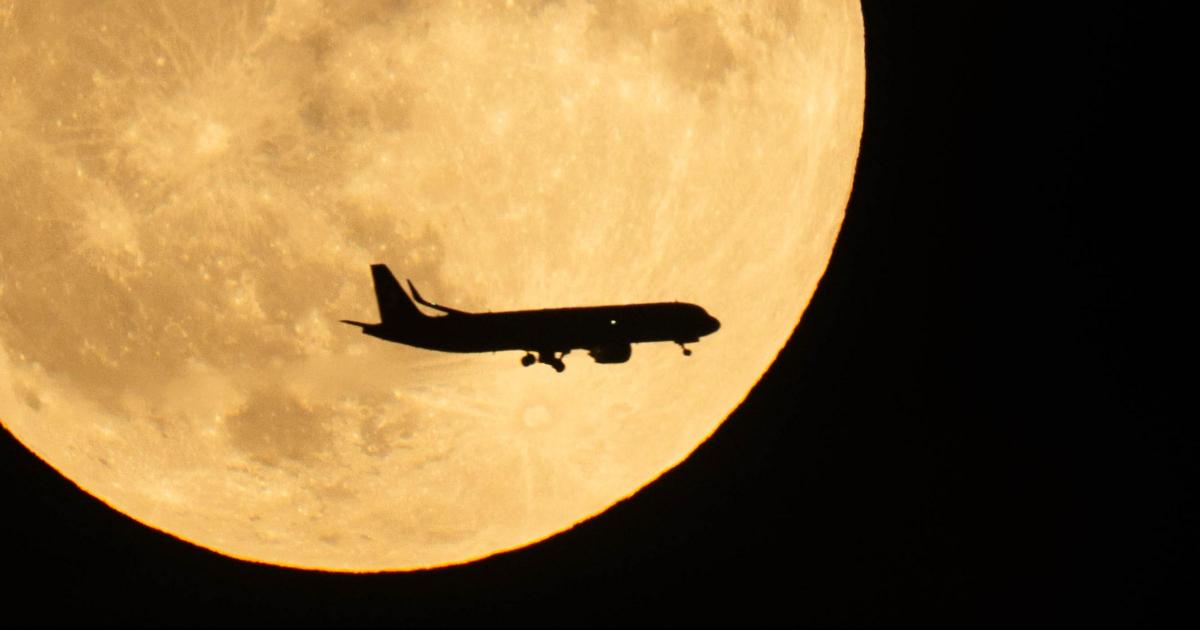
Despite its name, however, the Pink Moon will not appear very rosy at all.
The name, like most other full moons, dates back to a time when people named them after seasonal changes in nature to keep track of passing months.
The Pink Moon was named by northern Native Americans in reference to a species of early blooming wildflower and has an important role in setting the dates for Easter and Passover.
On April 1, the full moon will rise and is more likely to appear a shade of orange than pink.
When it reflects the sunlight, it reaches the Earth through a denser part of the Earth’s atmosphere which scatters blue and violet light, with only the redder hues visible to the human eye.
Those in Norfolk should get a glimpse of the moon, which will reach its peak just after 3am on April 2.
Thick cloud is forecast until about 10pm on April 1 before it clears slightly, with the best view expected around midnight before it gets cloudy again.