
Tanker traffic through the Strait of Hormuz which carries about a fifth of the world’s oil, has been disrupted, pushing crude prices sharply higher.
For a continent that relies heavily on imported petroleum products, the implications are profound: soaring fuel costs threaten inflation, raise transport and production costs, and put enormous pressure on governments already balancing tight budgets and social obligations.
Africa’s largest oil producers which include Nigeria, Angola, Algeria, Libya, and Egypt might be expected to be insulated from such external shocks. Their abundant crude reserves and domestic refining capacity should, in theory, allow them to meet local demand without fully transmitting global price swings to consumers.
The crisis highlights a key point: oil production alone does not guarantee protection – policy choices and market structure determine who absorbs the shock.
How Africa’s top oil producers performed
The table below shows how Africa’s top oil producing countries weathered the storm as the crisis engulfs the petroleum industry.
What emerges from this comparison is a clear divergence in how Africa’s oil producers are experiencing the current crisis, with pump prices underscoring just how uneven the impact has become.
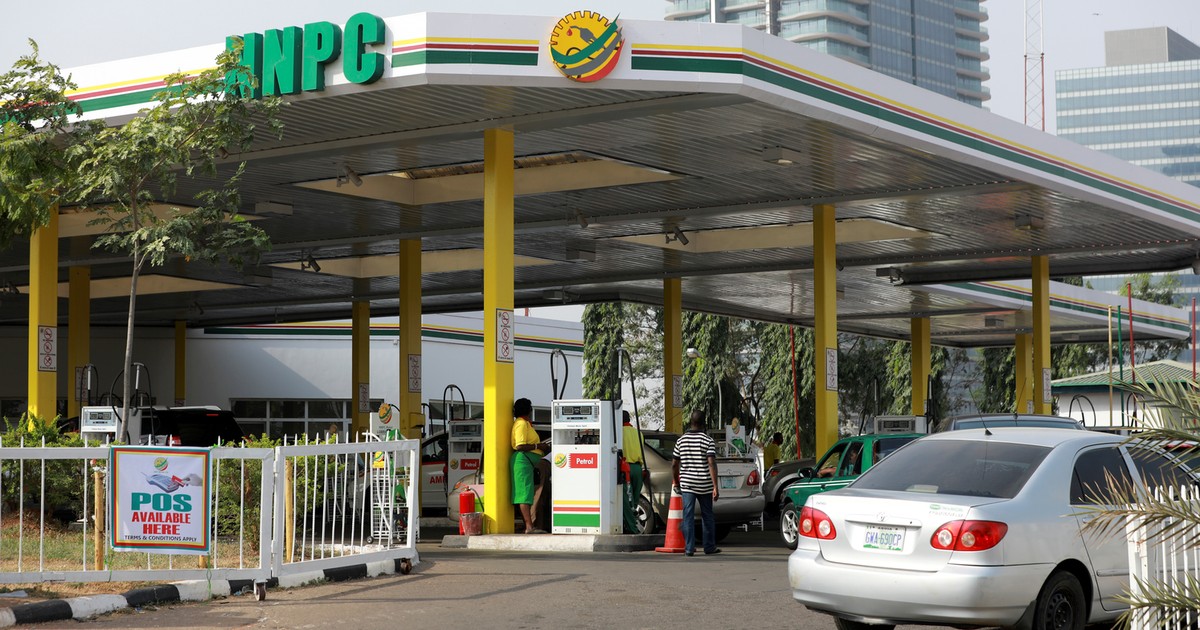
Nigeria is the most exposed. Its 39% fuel price increase has pushed petrol to about $0.916 per litre, reflecting a deregulated system where global shocks are fully passed on to consumers, much like in import-dependent economies.
Angola, meanwhile, is benefiting from higher crude prices, with oil trading well above its $61 benchmark. Petrol remains relatively low at around $0.327 per litre, though authorities warn that gains could be offset by rising import costs.
Algeria’s case is different. Its earlier price adjustments – petrol now around $0.353 per litre, alongside hikes in diesel and LPG – were implemented before the current crisis, highlighting how domestic reforms can drive price shifts independently of global shocks.
Libya stands apart, with petrol at just $0.023 per litre, the lowest globally. Heavy subsidies keep prices far removed from international markets, largely shielding consumers from the current surge.
Overall, the contrast reflects a key point: oil wealth alone does not guarantee protection. The Iran crisis is amplifying existing pricing structures, resulting in sharply different outcomes – from near-global pricing in Nigeria to extreme subsidisation in Libya.