
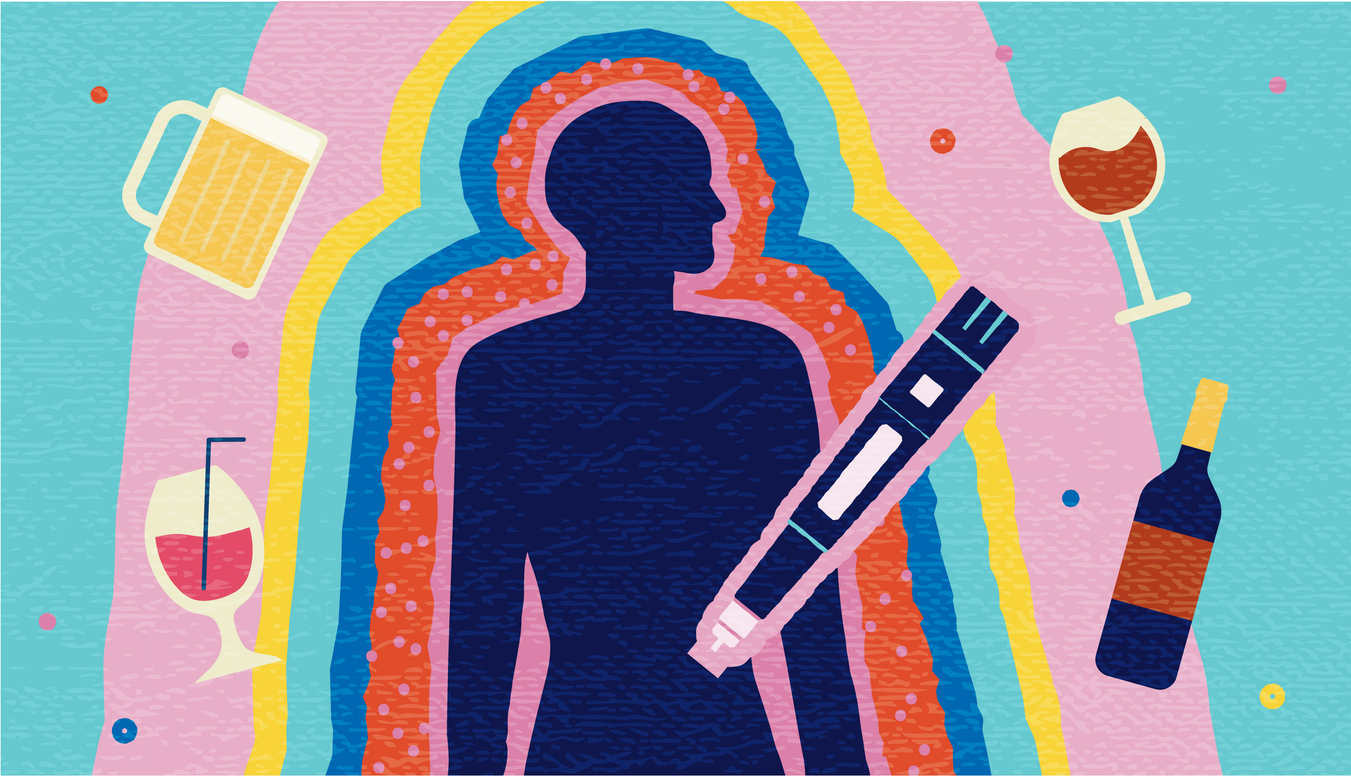
Millions of Britons using GLP-1 weight loss medications are beginning to alter how they drink, dine and choose venues. For the drinks trade, the shift may test established alcohol led revenue models.
For anyone in hospitality tempted to view GLP 1 drugs as someone else’s concern, the numbers already suggest otherwise. According to KAM, between 4 percent and 7 percent of UK adults are currently using GLP-1 medications such as Ozempic, Wegovy and Mounjaro for weight loss. That equates to between 2.1 million and 3.7 million people.
These medicines were originally developed to treat type 2 diabetes, but their ability to slow digestion, reduce appetite and stabilise blood sugar has driven widespread use for weight management. The treatment currently relies largely on weekly injections, though pill formats are expected in future, which may widen participation further.
The number of users has doubled year on year. In scale alone, it now surpasses several dietary groups that hospitality businesses already accommodate. Vegans represent around 3 percent of the UK population, vegetarians about 7 percent and people with a wheat allergy between 1 percent and 4 percent.
The profile of users is broader than commonly assumed; men and women are present in broadly equal numbers, although women are driving growth. The age range extends across adulthood up to around 60 and users are found nationwide. The demographic tends to lean towards higher incomes, partly because many people obtain the drugs privately through online providers rather than prescriptions.
Alcohol consumption under pressure
Reduced appetite is beginning to translate into measurable changes in drinking behaviour. According to KAM, 23 percent of GLP 1 users say they drink less alcohol when they go out.
Data from the YouGov health and wellbeing tracker reports that 39 percent of Britons taking weight loss drugs say they drink less alcohol since starting treatment, while 33 percent say they consume fewer fizzy drinks.
For venues reliant on alcohol margins, that change could carry consequences with 32 percent of users saying they are eating and drinking out less often, while 57 percent say they now go out only for special occasions.
The spending impact is already visible elsewhere in the food and drink market. For instance, the grocery sector has experienced a £136 million reduction in food and drink spending linked to GLP-1 use and hospitality is unlikely to remain unaffected if the behaviour continues to spread.
Spending patterns begin to shift
Research from YouGov suggests the behavioural shift extends well beyond the bar. Among current users, average weekly grocery spending has fallen from £102 to £91 per household, an 11 percent reduction according to the tracker.
Takeaway spending shows an even sharper decline. Monthly spending falls from £49 to £30, representing a 19 percent drop.
Ag Hoffmann, lead healthcare director at YouGov, says the trend may broaden as usage grows. “The rise of GLPs is having a huge impact on the grocery and takeaway market. Whilst the number of users is relatively low at the moment, this is only going to increase in the future, creating both opportunities and threats to the wider market from QSRs to grocers, we also expect to see impact across other sectors like leisure and retail. YouGov will continue to monitor these trends.”
Even after treatment ends, spending habits appear to remain altered. According to YouGov, former users continue to spend slightly less on groceries and takeaways than they did before beginning treatment.
One diner influencing the whole table
Hospitality businesses may feel the influence of GLP-1 users in ways that extend beyond the individual guest. According to KAM, 77 percent of users say their food preferences influence where an entire group chooses to dine.
This dynamic mirrors patterns already familiar in the trade; venues frequently adjust menus to accommodate vegetarians, vegans or non-drinkers whose needs shape group decisions.
Food choices themselves are changing as appetite declines. KAM reports that 65 percent of GLP 1 users say the medication has altered what they eat when dining out. Health considerations play a larger role in decision-making and customers often check nutritional information before ordering.
What GLP-1 users want from venues
According to KAM, GLP-1 users are more likely than non-users to choose venues offering lighter menu options, flexibility in portion size and transparency about ingredients.
They also show interest in smaller servings, higher protein dishes, plant-based options and meals perceived as lighter. In the drinks category, alcohol-free or lower alcohol products feature prominently, particularly those with less carbonation.
Smaller plates, half portions or miniature versions of familiar dishes are already appearing in some international markets, allowing diners to enjoy a full experience without the quantity once expected.
Behaviour rather than trend
The long-term outlook depends partly on how widely these medications spread. According to KAM research, 24 percent of UK adults say they are likely or very likely to consider GLP-1 drugs in future.
YouGov reports a similar level of potential interest, with around 8 percent of Britons saying they have used weight loss drugs and 14 percent saying they would consider them.
Appetite may be smaller, alcohol consumption lighter and dining occasions less frequent for some. The customer, however, remains very much present. The question for hospitality is whether its offer evolves alongside them.
Related news
‘The role of Ozempic isn’t just about reduced consumption, it’s about a shift in values’