
(Credits: Far Out / Alamy / Apple Corps)
Thu 2 April 2026 23:00, UK
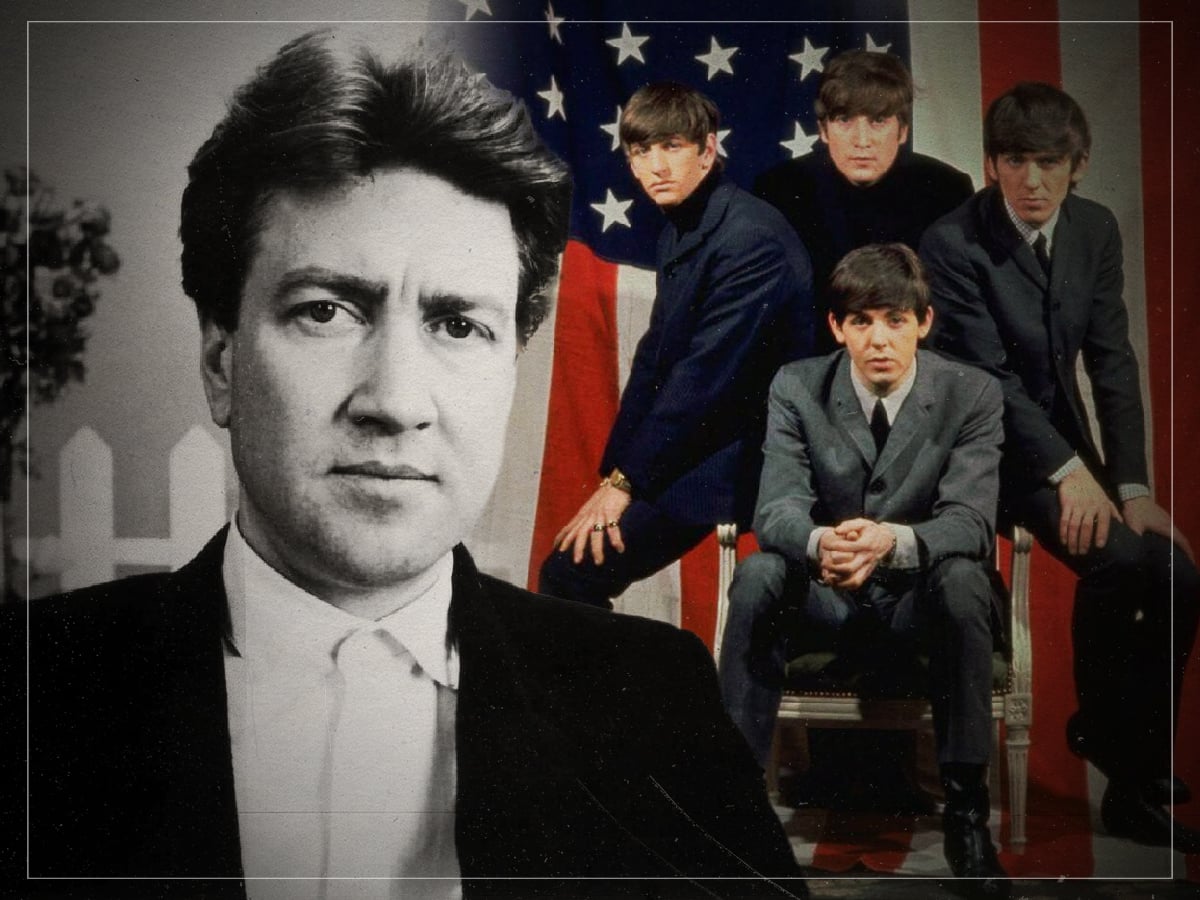
It is hard to imagine four long-haired lads from Liverpool forever altering the cultural landscape of the United States, but that is exactly what happened when The Beatles made their first trip across the Atlantic back in February 1964, ushering in the British invasion and inspiring a new generation of cultural innovators.
Beatlemania was in full force across the States from the very moment that the Fab Four touched down at JFK, to be immediately ushered into a now legendary press conference in which they showcased their youthful, British sense of humour. Not only were the group one of the very first British bands to make the trip across the Atlantic, but they were also – inarguably – the most impactful, at least partially because they were so indebted to the American sounds of R&B, Motown, and rock ‘n’ roll in the first place.
Even still, there were those at the time who completely underestimated the cultural impact of the group. President Lyndon B Johnson, for instance, refused an opportunity to have the band come over to the White House, as he might have done with any other cultural ambassadors; famously declaring that the US “couldn’t be all about ‘yeah, yeah, yeah.’”
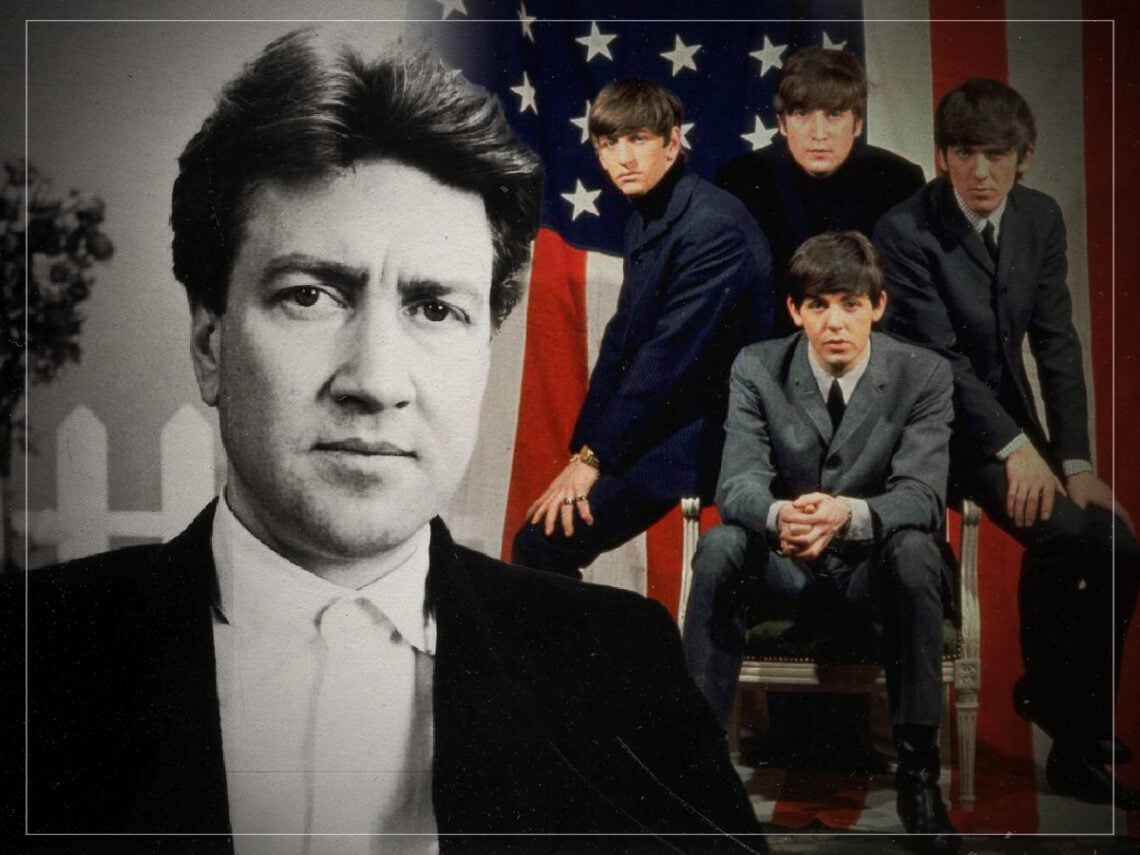
Although he wasn’t exactly the leader of the free world at the time, a young David Lynch was also unsuspecting of The Beatles’ importance at that time. “I was in high school. I lived in Alexandria, Virginia. I was into rock and roll music, mainly Elvis Presley, who brought rock and roll music to the world, uh, to me anyway,” the iconic film director recalled in the documentary film Beatles ’64.
Despite that adoration of Elvis Presley, though, Lynch ended up attending The Beatles’ very-first US concert, on February 11th, 1964. A few days after their first appearance on The Ed Sullivan Show, the group travelled from New York to the Washington Coliseum in Washington DC, not far from where the young Lynch was at school in Virginia. Seemingly, then, he went along to see what all the fuss was about.
“I ended up going to this concert,” the director shared. “I didn’t really have any idea that it was the first concert. I don’t know. I didn’t have any idea how big this event was.” Recalling, “And it was in a gigantic place where they had boxing matches. The Beatles were in the boxing ring.”
He might not have realised, initially, the magnitude of the event, but it nevertheless changed him as a person. “It was so loud, you can’t believe,” he remembered. “Girls shuddering, crying, screaming their heart out. It was phenomenal.”
Only around 8,000 people were in attendance at that gig – quite a small audience in comparison to the band’s later shows – but David Lynch was among them, and he remained an avid Beatles obsessive for the rest of his life.
It doesn’t take much of a stretch, in fact, to link the surrealist, non-linear storytelling of Lynch’s filmography with the pioneering experimentation of The Beatles’ post-LSD output. Even the fresh-faced rock and roll optimism of their early years can be felt in certain Lynch projects. So, although he might not have known it at the time, that impromptu trip to DC proved to be one of the defining moments of David Lynch’s early life, and we are all better off for it.
ADD AS A PREFERRED SOURCE ON GOOGLE  The Far Out Beatles Newsletter
All the latest stories about The Beatles from the independent voice of culture.
Straight to your inbox.