

A polo club where Prince Harry has played is under pressure to remove a mountain of waste soil after local people raised concerns over pollution and flooding.
The Royal County of Berkshire Polo Club (RCBPC) in Winkfield has deposited what amounts to about 100,000 truck loads of material on its grounds in the green belt since 2013.
Bought in 1985 by the music publisher Bryan Morrison and considered one of the UK’s premier polo clubs, RCBPC wanted to transform grazing fields into pitches, including one for high goal polo.
However, they are not complete 13 years after the soil, estimated to amount to half a million cubic metres of material, began arriving at the site. Photos show bricks, plastic and other waste material mixed in with the soil, which has created towering embankments several metres high.

People living nearby have complained for years about road disruption from lorryloads of material taken to the site, local politicians said.
Residents told The Times they are deeply concerned about the environmental and visual impact of the earthworks. They fear potential contamination from plastic waste in the imported soil and damage to 200-year old oak trees due to waterlogging.

“Many hectares of green belt land have been raised significantly higher than that granted under the planning permission with the increased risks and detriment to flooding, drainage and contamination to other land owners, families and residents,” said one resident, who did not want to be named.
The Lead Local Flood Authority used lidar technology, which maps land using laser beams from a plane, to find a “clear indication” the changes had caused a greater flood risk to the site and neighbouring land.
The concerns let to the club recently being set a deadline of January 2027 to remove the dumped material and restore the ground levels. Bracknell Forest Council issued the enforcement notice after finding the club had breached its planning permission.
However, the council withdrew it this year as the club submitted a fresh planning application to fix the problems. The new remediation plan has ditched the idea of a high goal polo pitch for two practice pitches and the creation of wetland habitat.
It contains no intent to remove the material. Taking the waste soil away would require more than 100,000 lorry movements on local roads over “a number of years”, a report commissioned by the club found.
Daily Briefing newsletter
Get our top stories and exclusive analysis sent straight to your inbox every morning.
Sign up with one click
One residenton North Street, which runs past the club, said they had “experienced first hand the destruction of our local roads and infrastructure” from the first phases of the project. They told planning officials the prospect of a “return to a continuous invasive movement of heavy trucks” was unacceptable.
Joshua Reynolds, the Lib Dem MP for Maidenhead, told The Times: “We are extremely concerned by these reports, especially details of potential depositing of half a million cubic metres of waste soil, rising up to four metres above approved levels and the flood risk this now poses to neighbouring homes and infrastructure. This is a direct threat to the safety of the local community.”
In an email to the council, he said the club’s remediation plans “appear unlikely to address the root cause of the breach, namely the unauthorised deposition of waste soil”. He also raised concerns that the new wetland posed a potential flood risk for neighbouring land.
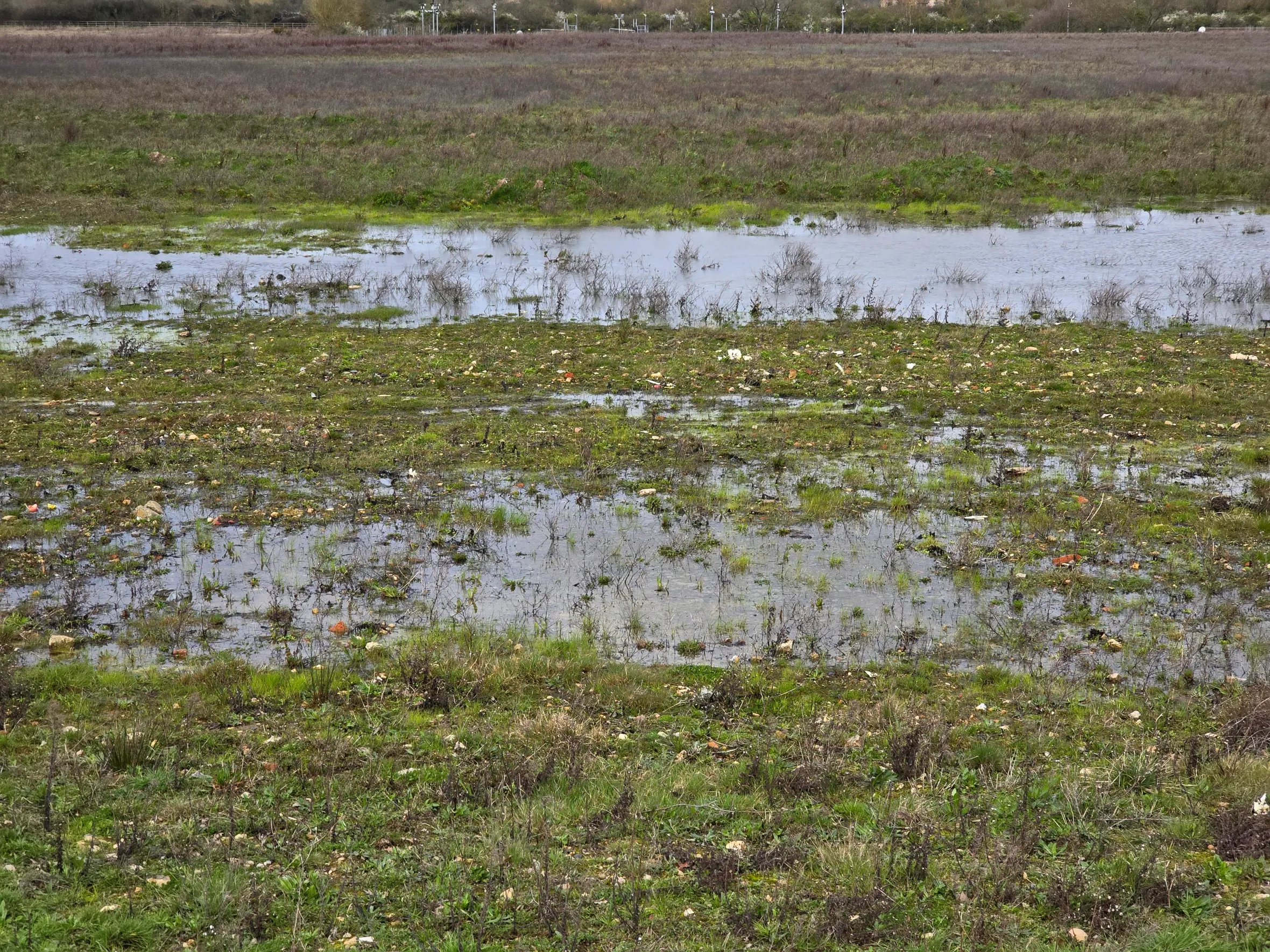
The RCBPC said that the pitches it had hoped to establish were not yet completed due to a high-pressure gas main on the site and because its contractor had gone into administration. It said the unfinished land could not be accessed by polo ponies or members of the public.
The club said the new biodiversity improvements it had proposed were greater than those in its original planning application. It also noted the local parish council had met last month and raised no objections over its remediation plan.
In a statement, the club said: “RCBPC are committed to completing the works to the land and working closely with the council.”