
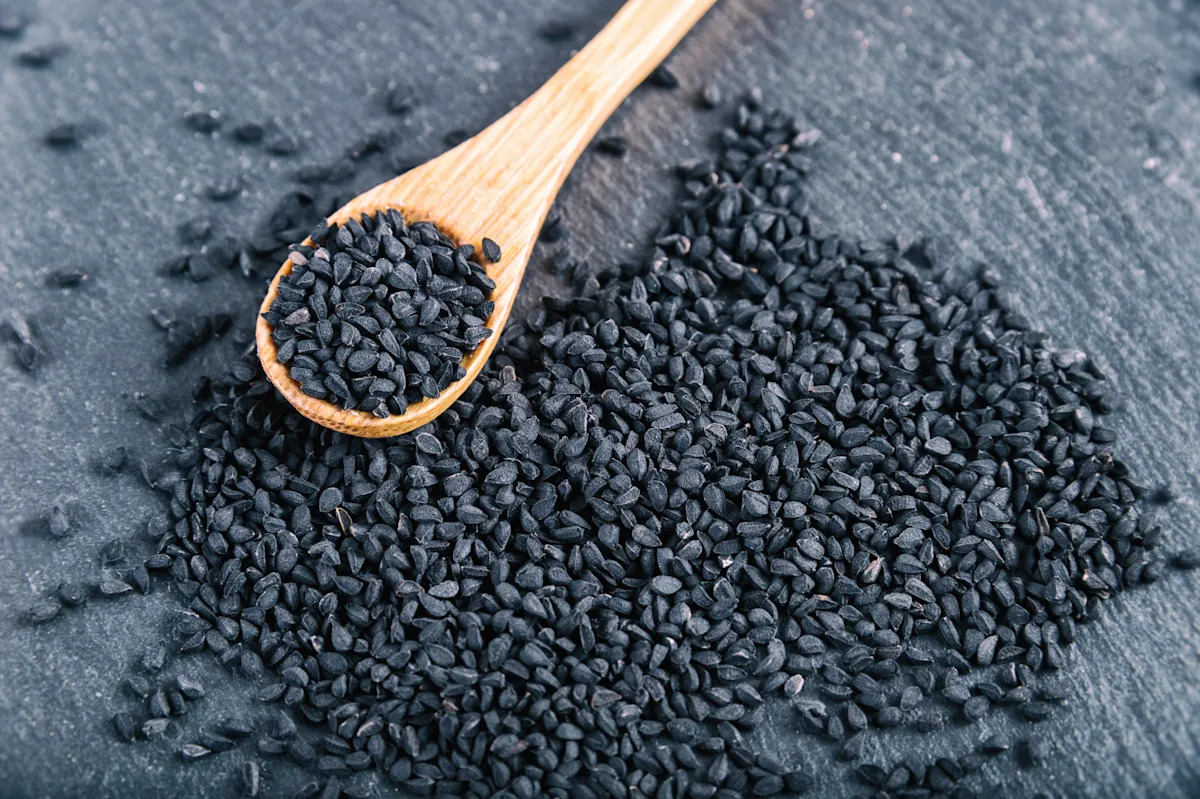
Cholesterol is something many of us hear about, but it can be easy to overlook. While it’s essential for building cells and producing hormones, having too much of the “bad” kind (LDL) can increase your risk of serious health problems.
High cholesterol is linked to one in five cardiovascular disease deaths in the UK, according to the British Heart Foundation. Despite this, more than half of UK adults are thought to have levels above recommended guidelines.
The good news is, small changes to your diet could help. One ingredient that’s been getting attention is black cumin – also known as nigella seeds or kalonji – which is a staple in Indian and Middle Eastern cooking.
A 2025 clinical trial by Osaka Metropolitan University found that people who ate around a tablespoon of black cumin seed powder daily for eight weeks saw improvements in their cholesterol levels – including lower LDL and higher “good” HDL.
“This study strongly suggests that black cumin seeds are useful as a functional food for preventing obesity and lifestyle-related diseases,” Professor Kojima–Yuasa said. “It was so gratifying to see black cumin comprehensively demonstrate actual, demonstrable blood lipid-lowering effects in a human trial.”
While more research is needed, the findings suggest this humble cupboard ingredient could play a role in supporting heart health, and it’s easy to add to everyday meals, from curries to roasted veg.
6 other benefits of black cumin
Blue nigella sativa flowers are where black cumin seeds come from before they’re harvested and dried.
(Kateryna Pavliuk via Getty Images)1. Full of antioxidants
Studies have shown that black cumin is packed with antioxidants, which can help protect your body from free radical cell damage.
2. Has anti-inflammatory effects
Black cumin has also been noted for its anti-inflammatory properties, which could help to alleviate skin conditions such as psoriasis and acne. There has also been research into the effects of black cumin on the management of chronic conditions, such as asthma, and on wound healing.
3. Antibacterial qualities
Additional studies have shown that black cumin boosts significant antibacterial properties, including activity against certain bacteria. This could help boost the immune system and fight off diseases and viruses.
4. May help protect the liver
Black cumin seeds have previously been used to treat liver diseases, such as non-alcoholic fatty liver and chronic hepatitis C. While more evidence is needed to support this link, there has been no evidence to suggest that black cumin has worsened liver diseases during treatment.
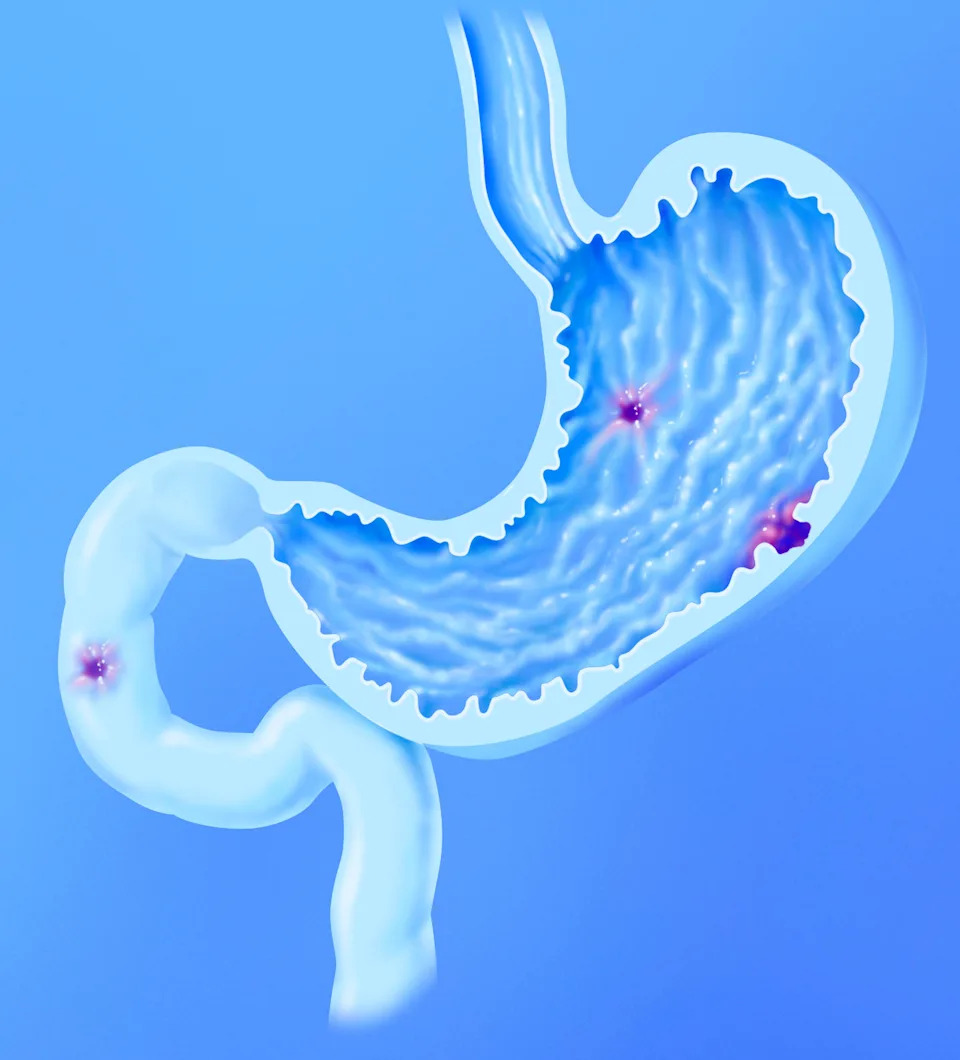
Some studies suggest black cumin may help protect the stomach lining and support digestive health.
(BSIP via Getty Images)5. Could help prevent stomach ulcers
Sometimes, when stomach acid eats away at the protective layer of mucus that lines the stomach, ulcers are formed – and they can be incredibly painful. A 2023 review found trials based on animal research showed that nigella seeds could help preserve the stomach lining, and, therefore, prevent ulcers.
6. Help with blood sugar levels
There has also been some research into the link between black cumin seeds and blood sugar levels, with a clinical review finding that the spice may improve both blood sugar and insulin levels during fasting and after a meal.
How to use black cumin seeds at home
Adding black cumin to your diet doesn’t have to be complicated – a little goes a long way.
Sprinkle over roasted vegetables like carrots, cauliflower or potatoes
Stir into curries, stews or lentil dishes for extra depth of flavour
Add to flatbreads or naan dough before baking
Toss through salads or grain bowls for a peppery crunch
Lightly toast and sprinkle over soups or dips
Mix into yoghurt or drizzle over hummus
Add a pinch to smoothies or porridge for a subtle boost