

The NHS has given the green light for millions of people to access free Wegovy jabs if they fit a specific criteria – as it could help save the lives of those suffering from certain health conditions
08:52, 04 Apr 2026Updated 08:53, 04 Apr 2026
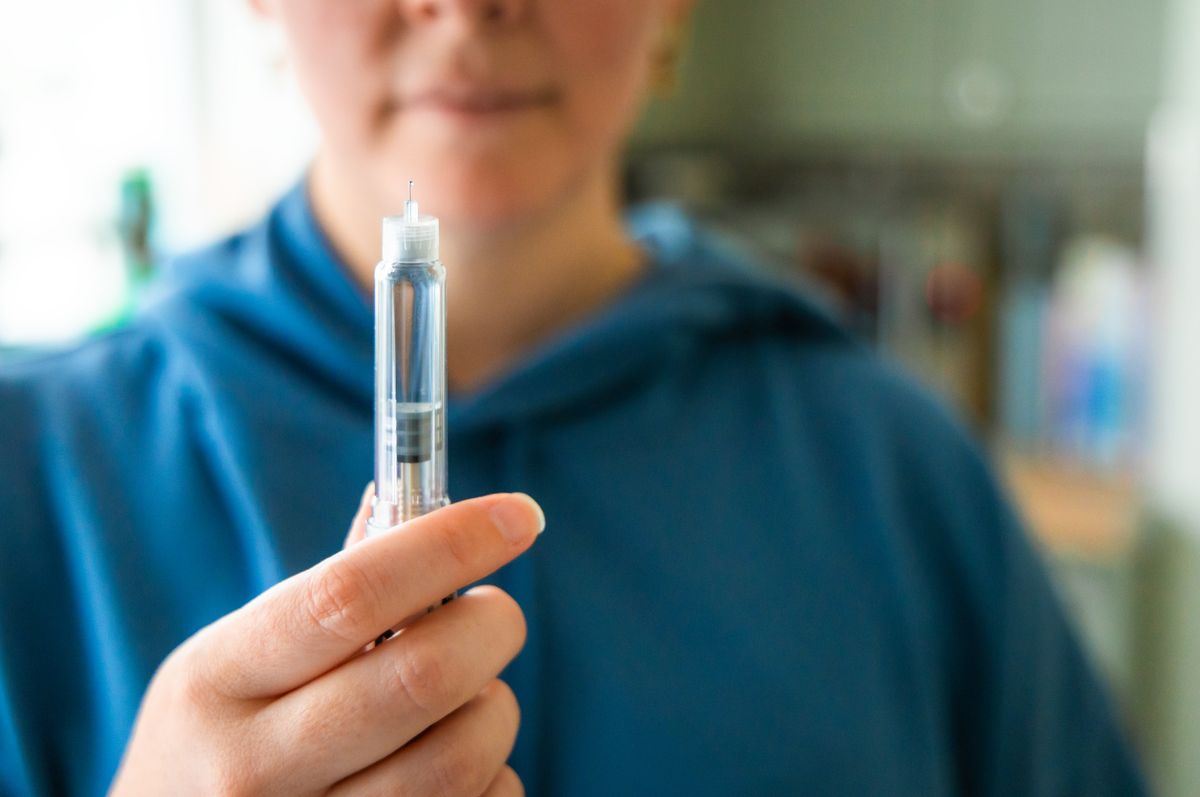
Certain people may be able to get the jabs on prescription
Millions of people may be eligible for free weight-loss injections to help with serious health conditions after the NHS greenlit the use of Wegovy to prevent heart attacks and strokes.
In a big policy shift, the appetite-suppressing will now be offered to those who are classed as overweight, rather than obese, potentially transforming the lives of 1.2 million people across the UK
Previously, it was only available on prescription for those with Body Mass Index (BMI) of 35 or over. Under the new NICE guidelines, the threshold has been slashed to allow more people to access the drug for free.
Wegovy is a GLP-1, similarly to Mounjaro and Ozempic, and contains semaglutide which works to help increase the body feeling full and reduce appetite helping to aid weight loss.
The rollout will begin this summer.
READ MORE: Millions wrongly classified as overweight or obese by NHS, study suggests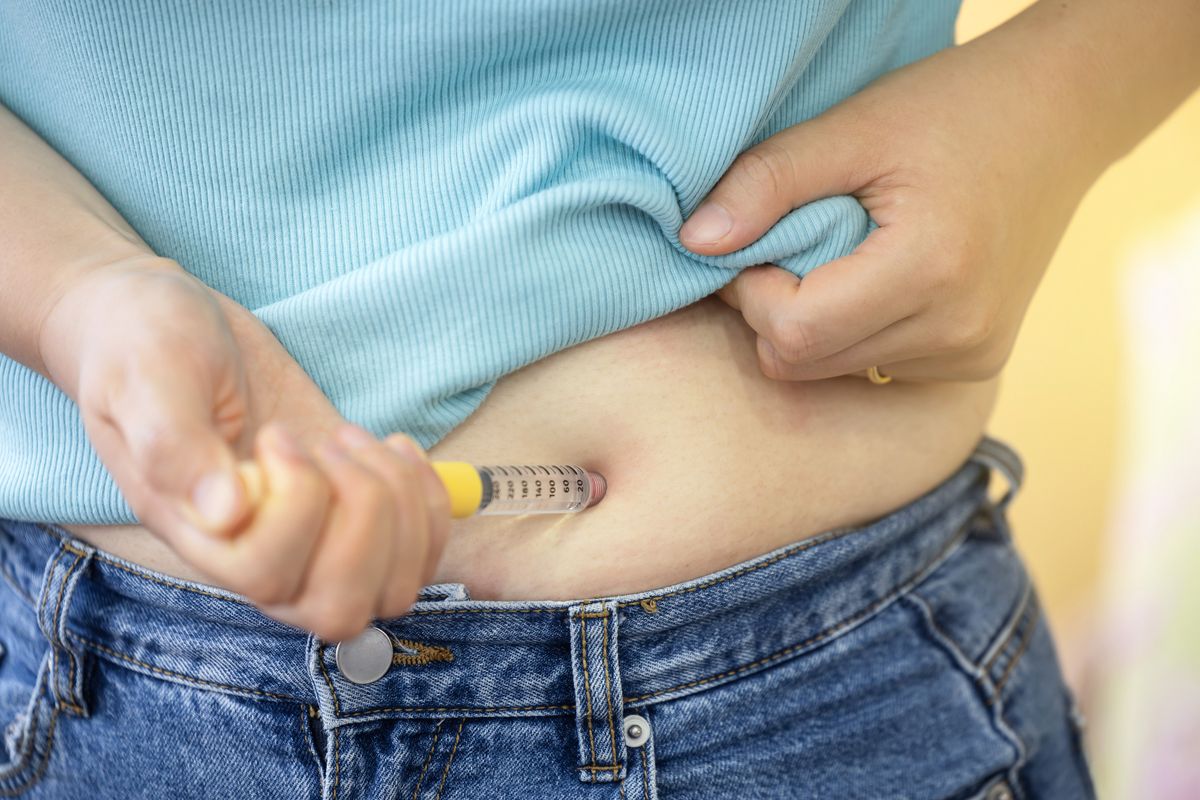
Millions of people may be able to access Wegovy jabs on the NHS(Image: Getty Images)
It also promotes insulin release and lowering blood sugar, and on average people will lose 21 percent of their body weight after 72 weeks on Wegovy.
But now, those with a Body Mass Index (BMI) of 27 or above – and classed as overweight, rather than solely obese, can now be prescribed Wegovy. However they must have also provided they have had a heart attack, stroke or suffer from circulation problems in their legs, according to the National Institute for Health and Care Excellence (Nice).
Wegovy is a weekly injection, and the dosage is increased as the body becomes adjusted to it. This weekly injection would be offered alongside medications people were already taking for cardiovascular disease like statins. The NHS reckons an estimated 1.2 million people could be impacted by the change.
Helen Knight, from NICE, said: “We know that people who have already had a heart attack or stroke are living with real fear that it could happen again.
“The evidence from the clinical trial is compelling. It showed that people taking semaglutide alongside their existing heart medicines were significantly less likely to have another heart attack or stroke.
“Today’s decision gives thousands of people in that situation an extra layer of protection, on top of the medicines they are already taking.”
Prof Naveed Sattar, Professor of Cardiometabolic Medicine/Honorary Consultant, University of Glasgow, added: “This is very good news and stems directly from high quality trial evidence. We now have medicines that not only reduce heart attacks, strokes, and peripheral arterial disease, but also simultaneously lead to meaningful weight loss – which in turn lowers the risk of many weight‑related conditions. These treatments also improve patients’ quality of life in a meaningful way, making this a genuine win–win.
“Given that so many people living with cardiovascular disease also struggle with excess weight, it’s no longer sufficient to focus solely on lipids and blood pressure. We must also address weight directly if we want to deliver the best possible outcomes for our patients. This new guidance on semaglutide enables exactly that, and represents another major turning point in the battle against obesity. Over time, we hope more medicines will be licensed for similar benefits, and that costs will come down further – allowing even greater impact for patients and for society.”
According to the drug’s official website, common side effects may include:
NauseaDiarrheaVomitingConstipationStomach (abdomen) painHeadacheTiredness (fatigue)Upset stomachDizzinessFeeling bloatedBelchingLow blood sugar in people with type 2 diabetesGasStomach fluHeartburnRunny nose or sore throat
Despite it only being available on the NHS for those suffering from cardiovascular dieases, research from The Lancet highlighted that semaglutide injections appeared to reduce the risk of a heart attack or a stroke no matter how much weight the person taking it lost. However experts have urged those taking the jabs must also be on an effecient exercise regime to make sure they don’t lose too much muscle mass.
Do you have a story to share? Email niamh.kirk@reachplc.com