
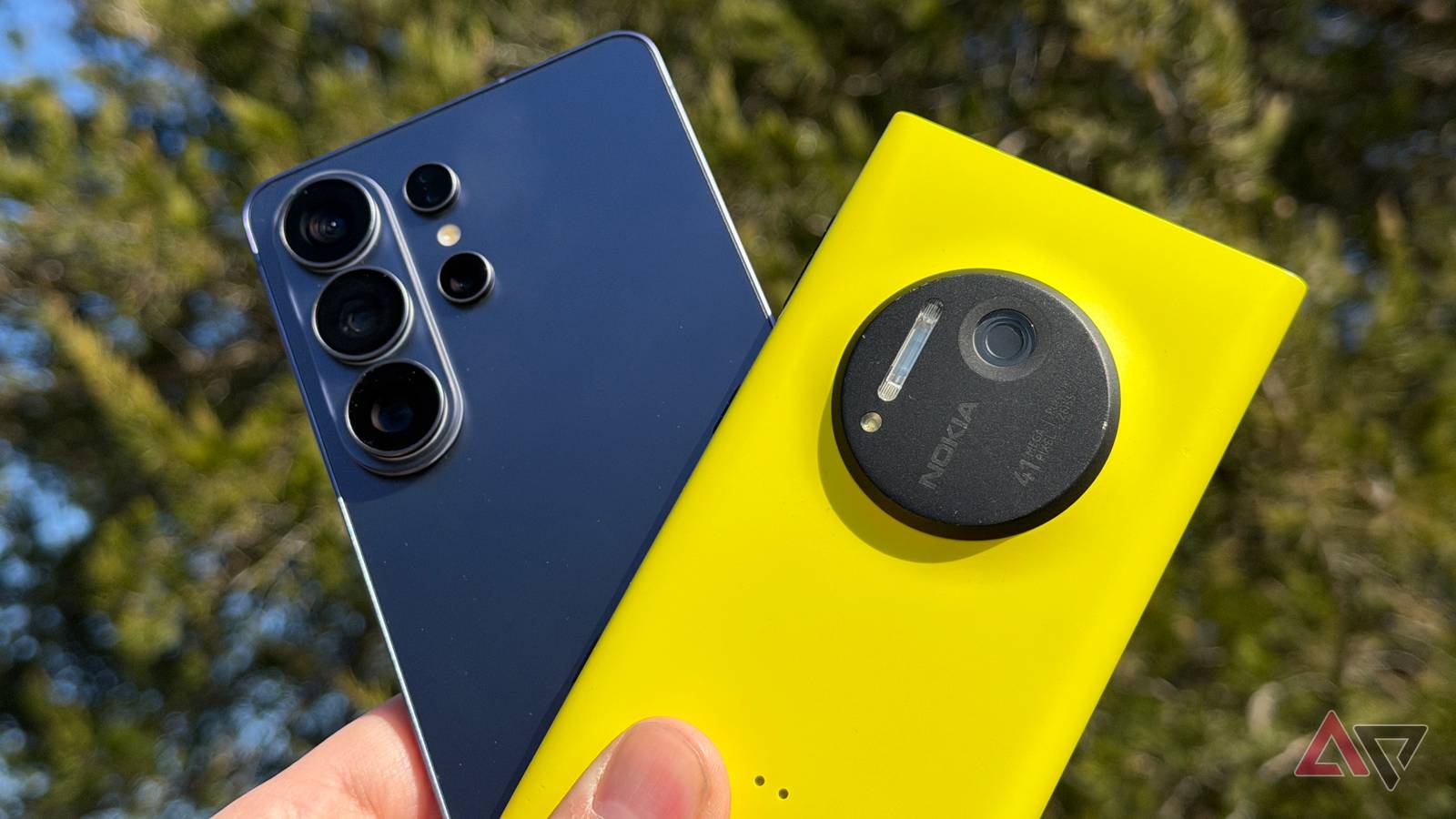
Every year, I see comparisons of the latest and greatest smartphones against the Nokia Lumia 1020. It was a phone renowned for its camera 13 years ago, and it holds up surprisingly well in 2026.
It was one of the first phones to lean into a dedicated camera form factor, and it’s one I always enjoy going back to.
Yes, the Samsung Galaxy S26 Ultra easily bests its camera on paper. The sensors are bigger now, and the computational power behind image processing has improved.
In a straight line, the Galaxy S26 Ultra blows the Lumia 1020 out of the water, but comparing photos from each shows we can still learn important lessons from older hardware.
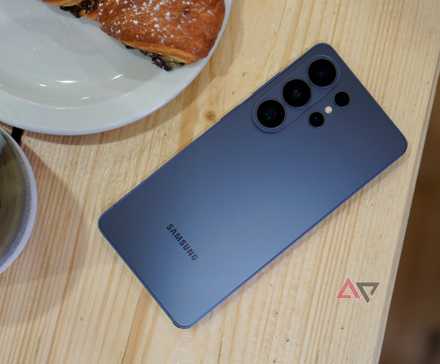
Read our review
I reviewed the Samsung Galaxy S26 Ultra, and it’s so much better than all the drama
Yes, we address the drama and broken promises, but the phone takes center stage
The Galaxy S26 Ultra packs impressive camera hardware
A lot has changed in 13 years
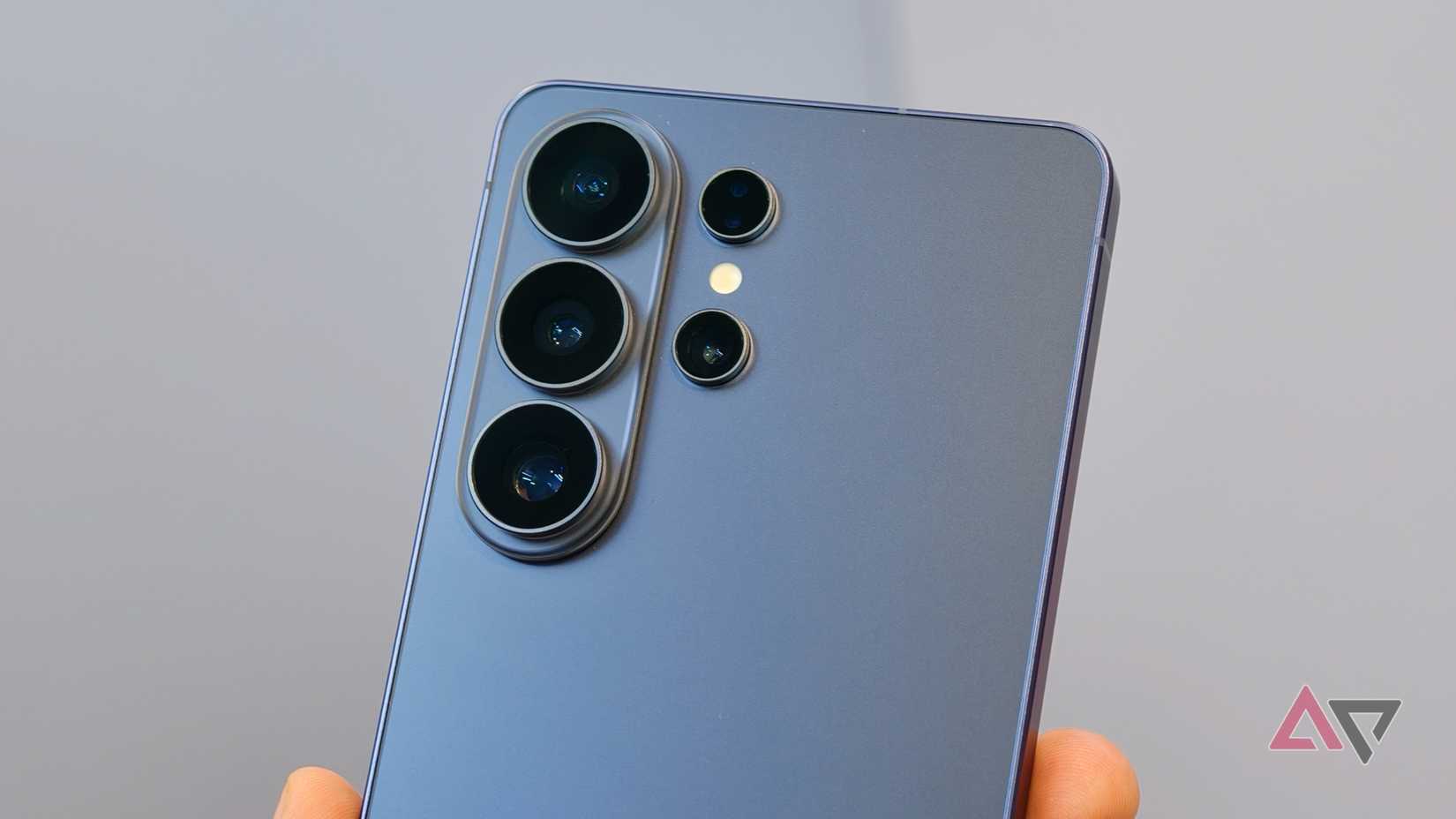
Yes, it’s true. The Galaxy S26 Ultra’s camera system might seem bland if you’re used to seeing smartphones from overseas, and Samsung has been stagnant in upgrading camera hardware in recent years.
However, its sensors are still capable of producing excellent images, and I love the versatility its lenses offer.
The phone’s 200MP primary sensor pulls in plenty of light and detail, and the wider aperture this year makes a difference — especially in low-light photos.
I even enjoy Samsung’s color science better than Google’s, delivering me a point-and-shoot, Instagram-ready image, with the vibrant colors I’m looking for.
The 50MP 5x optical zoom is one I’ve used more often on the Galaxy S26 Ultra. It does a decent job with wildlife, and I feel it’s finally on par with what I get on the Pixel 10 Pro XL when zoomed in.
You can also clearly see the processing that goes into its images. The Snapdragon 8 Elite Gen 5 is a powerful chipset, and nighttime photography benefits on the Galaxy S26 Ultra.
I’d rather have more detail than less, but I feel that sometimes the low-light images are a little too good, and we lose some of the feel that older camera systems gave us. Which brings me to the Lumia 1020.
The Lumia 1020 impresses me even more as time goes on
Windows Phone wasn’t the only highlight
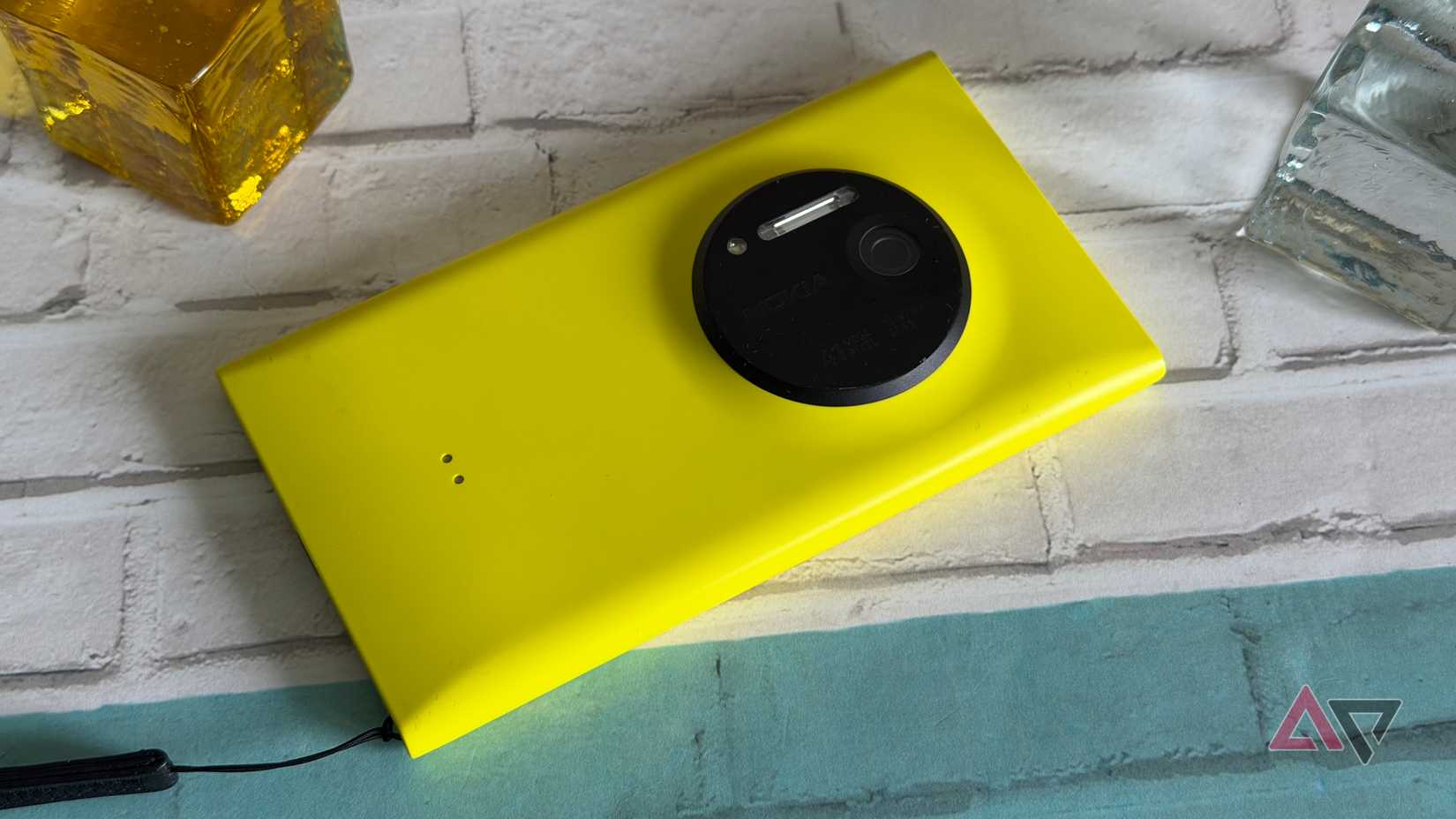
It’s easy to forget just how impressive the Lumia 1020 was at the time. It featured a 41MP camera, with an aperture of f/2.2 and a 1/1.5″ sensor size, and optical image stabilization.
For comparison, the iPhone 5 had an 8MP sensor, with an aperture of f/2.4, and a sensor size of 1/3.2″ — significantly smaller. It also didn’t feature OIS. The difference in photos between the two was night and day.
In solid lighting, the Lumia 1020 holds up well. There’s enough detail that you can throw them up on a desktop monitor without being greeted by a pixelated mess. I love the natural colors, and the camera compares favorably to shots I took side-by-side with the Galaxy S26 Ultra.

What really stands out to me is the nighttime performance. Without much of the computational prowess we get in today’s smartphones, the Lumia 1020 holds its own.
The photos are detailed and colorful, without being oversharpened. That’s a testament to the importance of sensor size, and the Lumia 1020 had a decent one in 2013.
I’d like some ambiance back in my photos
Just because a photo can be brighter, doesn’t mean it should be
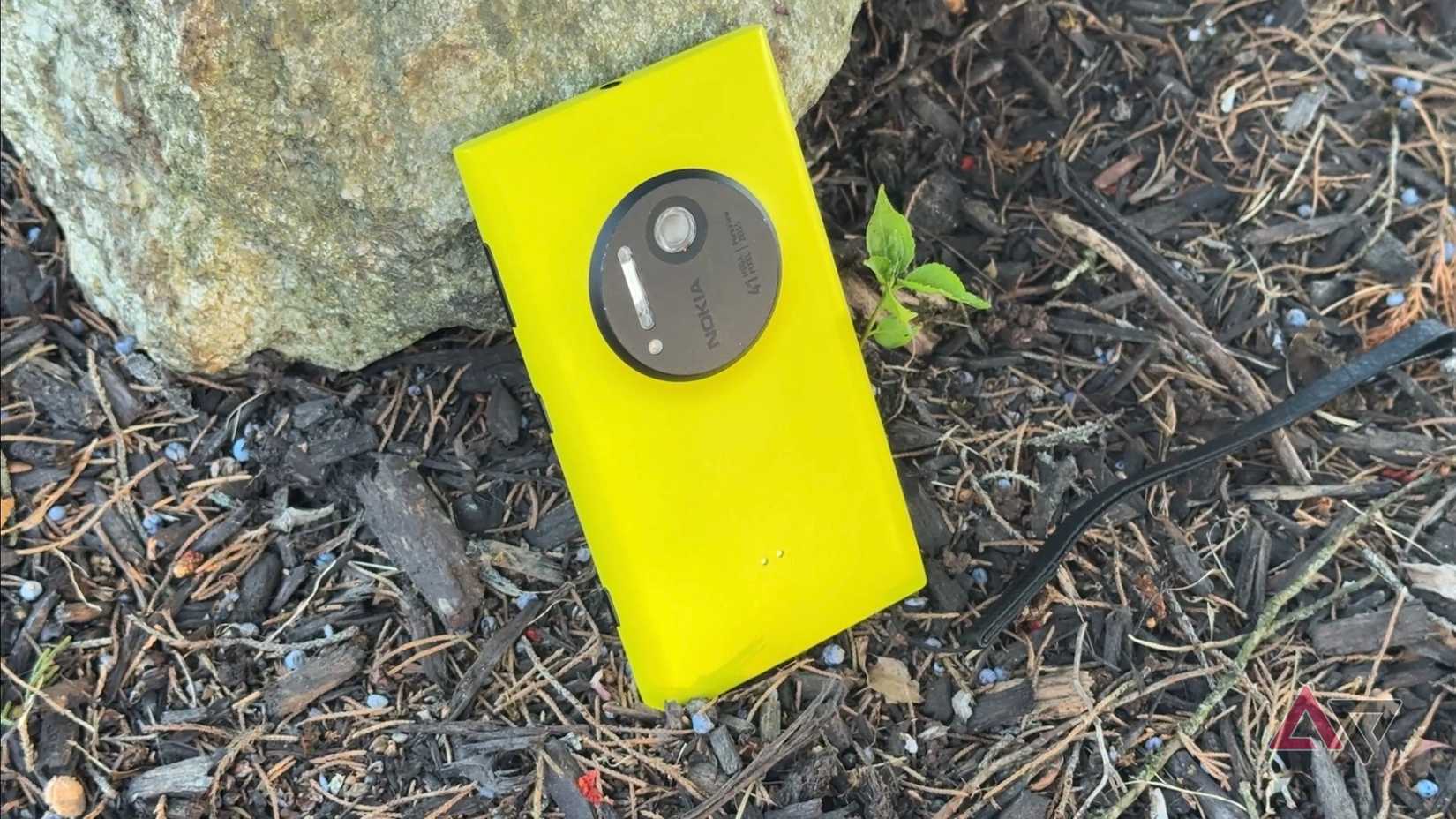
Smartphones have become so good at pulling in light and enhancing brightness in nighttime images. I almost believe it’s too good. On occasion, it’s hard to tell that the photo was taken at night, and I don’t love that.
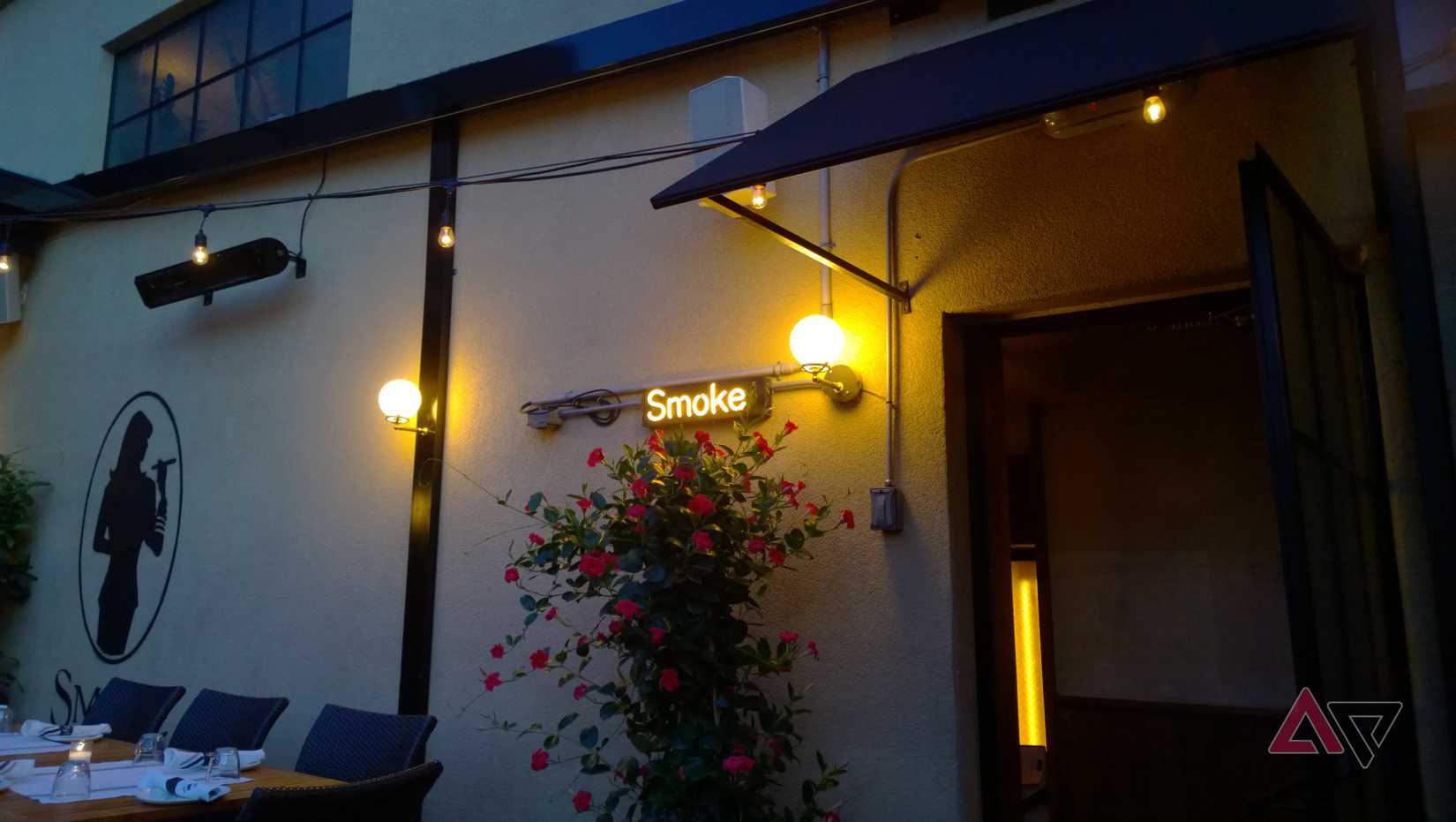
The Lumia 1020 reminded me that mood is important in photos. I appreciate that these nighttime dinner photos capture the restaurant’s ambiance just past dusk.
I still get plenty of color and detail, thanks to the larger sensor, but the phone doesn’t try to do too much. It’s why camera sensor innovation is just as important as computational innovations. You need both to get a truly amazing photo.

Give me impressive camera hardware over fancy image processing any day, but that’s a balance Google and Samsung appear to have forgotten.
Overseas phones do it better
I single out Samsung and Google because I’ve used some impressive camera hardware from overseas. Xiaomi, Vivo, and others are pushing the limits, pairing larger sensors and wider apertures with powerful image processing.
For now, I’m content learning the lessons the Lumia 1020 teaches; hopefully, we can all hear them.

8/10
SoC
Qualcomm Snapdragon 8 Elite Gen 5
RAM
12GB / 16GB
Storage
256GB / 512GB / 1TB
Battery
5,000mAh
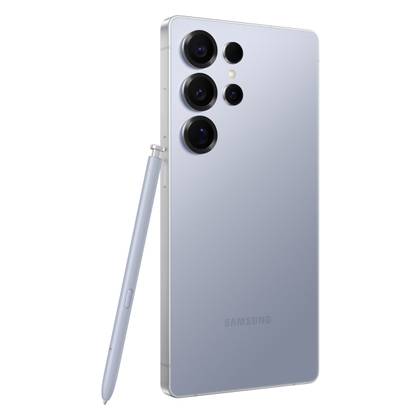
The Samsung Galaxy S26 Ultra has a world-first new feature called the Privacy Display, which hides the phone screen from prying eyes. The phone is lighter, thinner, and more powerful than its predecessor.