
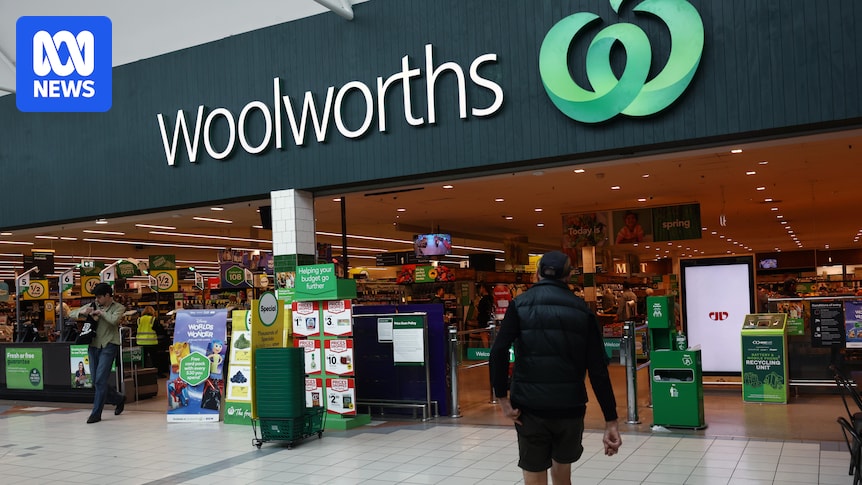
Demand for fuel remains high across Australia, with farmers continuing to bear the brunt of the crisis.
Viva Energy, which operates one of Australia’s two remaining oil refineries, has said demand is up 30 per cent from this time last year.
Public should not expect clear trigger for fuel rationing
That increase is leading to shortages in regional areas, despite service stations reporting fewer shortages nationwide.
The effects are beginning to compound for farmers, who have called on supermarkets to help relieve the pressure, while the government is urging consumers not to panic-buy.
In his weekly fuel stock update, Energy Minister Chris Bowen said things were looking up when it came to supply.
Mr Bowen said reserve stocks had held steady — Australia has 39 days of petrol, 29 days of diesel, and 30 days of jet fuel left in reserve.
“The fact these figures are effectively flat … means fuel is going out the door to service stations and farmers, fuel is coming in the door at Australia’s import terminals, and our refineries are working full pelt,” he said.
Mr Bowen also provided an update on how many service stations were out of at least one type of fuel, saying there had been “progress across the board”.
New South Wales continues to suffer the most shortages, with 150 stations currently without diesel (down from 182 on Friday), and 36 stations completely out of fuel (down from 48).
Fifty-one stations have no diesel in Victoria, 49 in Queensland, 13 in South Australia, eight in Tasmania, five in the Northern Territory, and six in the ACT.
“That doesn’t mean there’s not still a lot more work to do so that number comes down to zero,” Mr Bowen said.
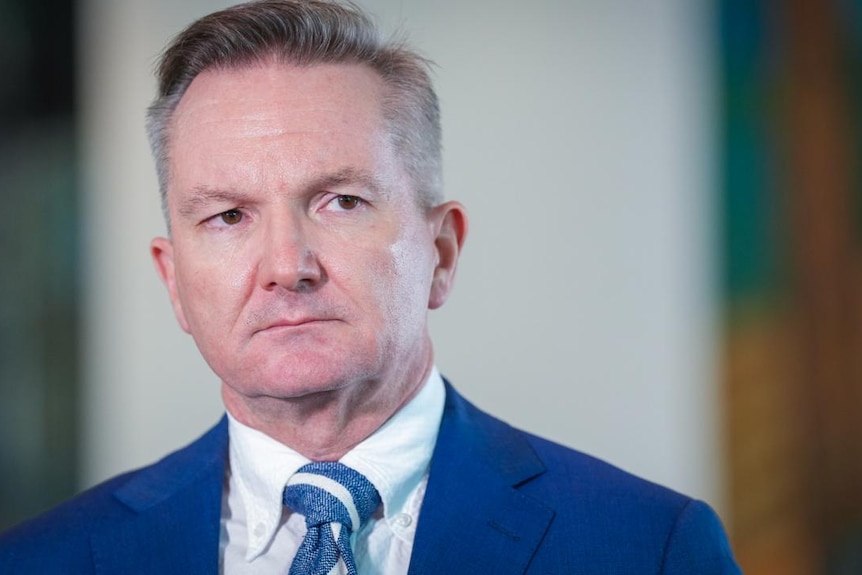
Energy Minister Chris Bowen says there has been progress on fuel shortages. (ABC News: David Sciasci)
Farmers’ plea to supermarkets
Steadying fuel supply and falling prices — at least for now — have done little to ease the minds of farmers and growers.
The industry is asking major grocery retailers to pay more for fresh produce to help cover farmers’ costs, a request that could see prices increase for consumers in the supermarket.
South Australian Dairyfarmers’ Association (SADA) president Robert Brokenshire said the current confluence of drought, spiking fuel prices, and a fertiliser shortage was “the most diabolical situation that we’ve seen in 40 to 60 years”.
“This is already worse than what we experienced through COVID, and we fear that inflation is going to be more rampant than [it was] in COVID,” he said.
“The drought was tough enough, but with this triple-whammy now I’m getting, as president of SADA, farmers ringing me, some three times a week, and I’m just talking to them because I know it’s mentally very, very tough for them, and tough for all of us farming at the moment.”
How the ripple effects of the fuel crisis are hurting small towns
The National Farmers’ Federation’s Horticulture Council has written to Australia’s major supermarket chains, urging them to respond “promptly and constructively” to the request from fresh produce suppliers.
In an open letter, the council said increased fuel prices could not be absorbed by suppliers without “serious consequences”.
“Suppliers are being forced into continual renegotiation of freight and logistics arrangements simply to maintain supply,” the letter said.
“Timely acceptance and implementation of cost-reflective price adjustments is therefore essential to avoid disruption across the supply chain.”
In a statement, Coles said it acknowledged the upward pressure on agricultural costs like fuel and fertiliser, and would work with farmers to manage those pressures.
However, it said its first priority would always be “to mitigate any change from flowing through to the shelf”.
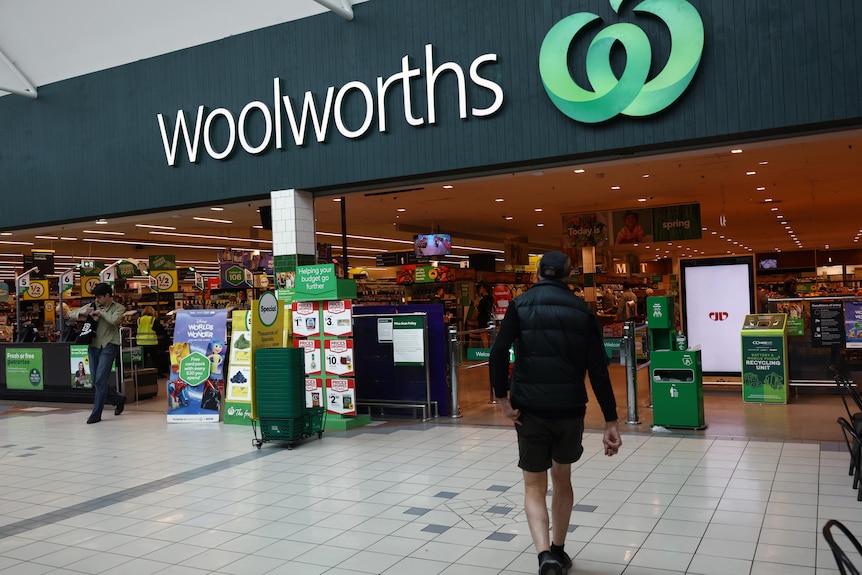
Woolworths says it needs to “strike a balance” between supporting producers and families doing it tough. (AAP: Con Chronis)
Woolworths issued a similar statement, adding that both retailers and suppliers had a responsibility to manage growing cost pressures “while also trying to reduce the full impact on shoppers”.
“We need to strike the right balance of supporting the viability of our suppliers and transport partners while advocating for our mutual customers to help buffer the impact on them at the check-out,” it said.
Those statements aside, there are real fears that price hikes will ultimately be passed on to the consumer.
The FAO food price index, which tracks monthly changes in the international prices of a basket of groceries, shows an increase in global prices for the second month in a row.
NSW Skills Minister Steve Whan said price hikes in a time of rising global oil prices were nearly inevitable.
“As production costs and the inputs of production go up, you’ve got to see that reflected in the prices that people pay, unfortunately,” he said.
Mr Bowen said there was no doubt increased fuel prices meant rising prices across the board, but added that government measures like halving the fuel excise should help.
“While this war goes on, while diesel and petrol get more expensive internationally, it will have an impact,” he said.
“Even if the war ended today, there have been impacts on the supply chain that will be with us for weeks and months ahead.”
The fuel crisis is already putting pressure on household budgets, with food charity Foodbank saying it recorded a 44 per cent jump in the number of Australians saying they found it harder to put food on the table between February and March.
“We’re hearing on the ground that people simply can’t afford the petrol to drive to a food relief centre,” CEO Kylea Tink said.
“More people are relying on public transport or carpooling, which limits how much food they can take home. That means families are making tough choices about what they leave behind.”
Rising fuel prices are also affecting the charity’s ability to distribute food through volunteers, who are finding it difficult to absorb the extra cost.
“Ultimately, it’s a perfect storm where we are desperately trying to stretch limited dollars to increase the support we can offer, at a time when everything we need is getting more expensive,” Ms Tink said.
Loading…