
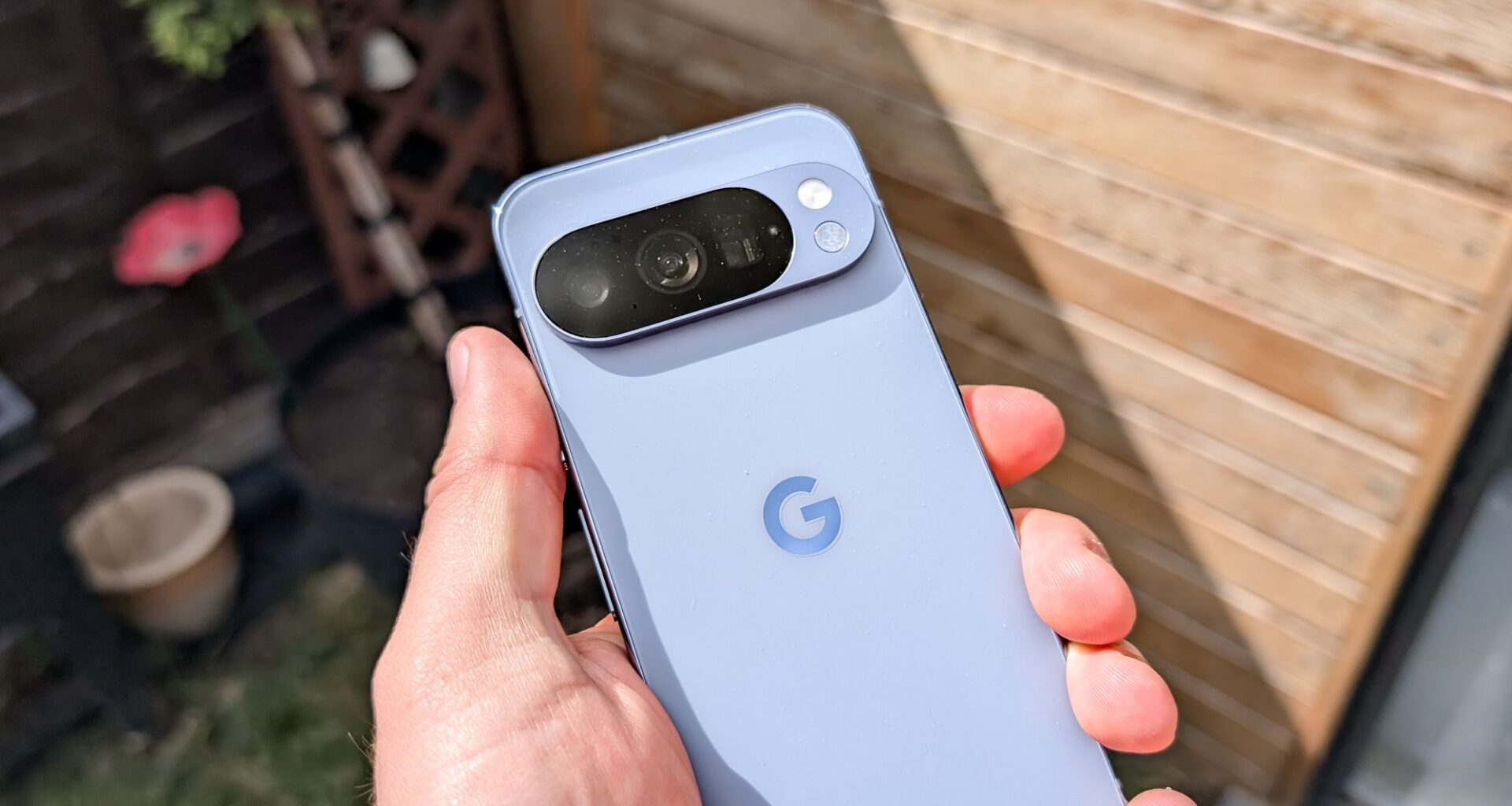
For fans of Android, Pixel handsets are a brilliant showcase of what the operating system can do. As Google makes both the software and hardware, the phones work pretty seamlessly, with owners not only benefiting from long-term software support, but the earliest access to new versions.
But there’s a slight feeling that the Pixel Pro series has been treading water for a while. In our Pixel 10 Pro review, we described the handset as feeling like “a slightly fancier version of the Pixel 9 Pro.” Will the Pixel 11 Pro be yet more of the same or a big leap forward? Here’s what’s rumored so far.
Google Pixel 11 Pro: SpecificationsSwipe to scroll horizontallyRow 0 – Cell 0
Google Pixel 10 Pro
Google Pixel 11 Pro (rumored)
Display size
6.3-inch OLED
6.3-inch OLED
Refresh rate
1 – 120Hz
1 – 120Hz
Chipset
Tensor G5
Tensor G6
Memory
16GB
16GB
Storage
128GB, 256GB, 512GB, 1TB
256GB, 512GB, 1TB
Rear cameras
50MP wide, 48MP ultrawide, 48MP 5x telephoto
50MP wide, 48MP ultrawide, 48MP 5x telephoto
Front camera
42MP selfie
42MP selfie
Battery size
4,870 mAh
~4,870 mAh
Google Pixel 11 Pro: Expected release date and price

(Image credit: Future)
For the past two years, Google has settled on August as the month to reveal and release its flagship phones (with the cheaper ‘a’ series appearing a few months later). The Pixel 9 series launched on August 22, while Pixel 10 handsets arrived a little later the following year, with an August 28 release date.
Article continues below
You may like
It would seem likely that Google will opt for this again, though it’s always possible it will be later — the previous eight generations of Pixel all launched in October, after all. But given Apple uses September as its iPhone launch month, it doesn’t seem likely Google will want to go second.
In terms of pricing, given the soaring cost of memory, we’d be very surprised if there wasn’t a price increase in store this year. The Pixel Pro has sat at $999 for three generations now, and another $100 price increase seems likely.
Google Pixel 11 Pro: Design
(Image credit: Future)
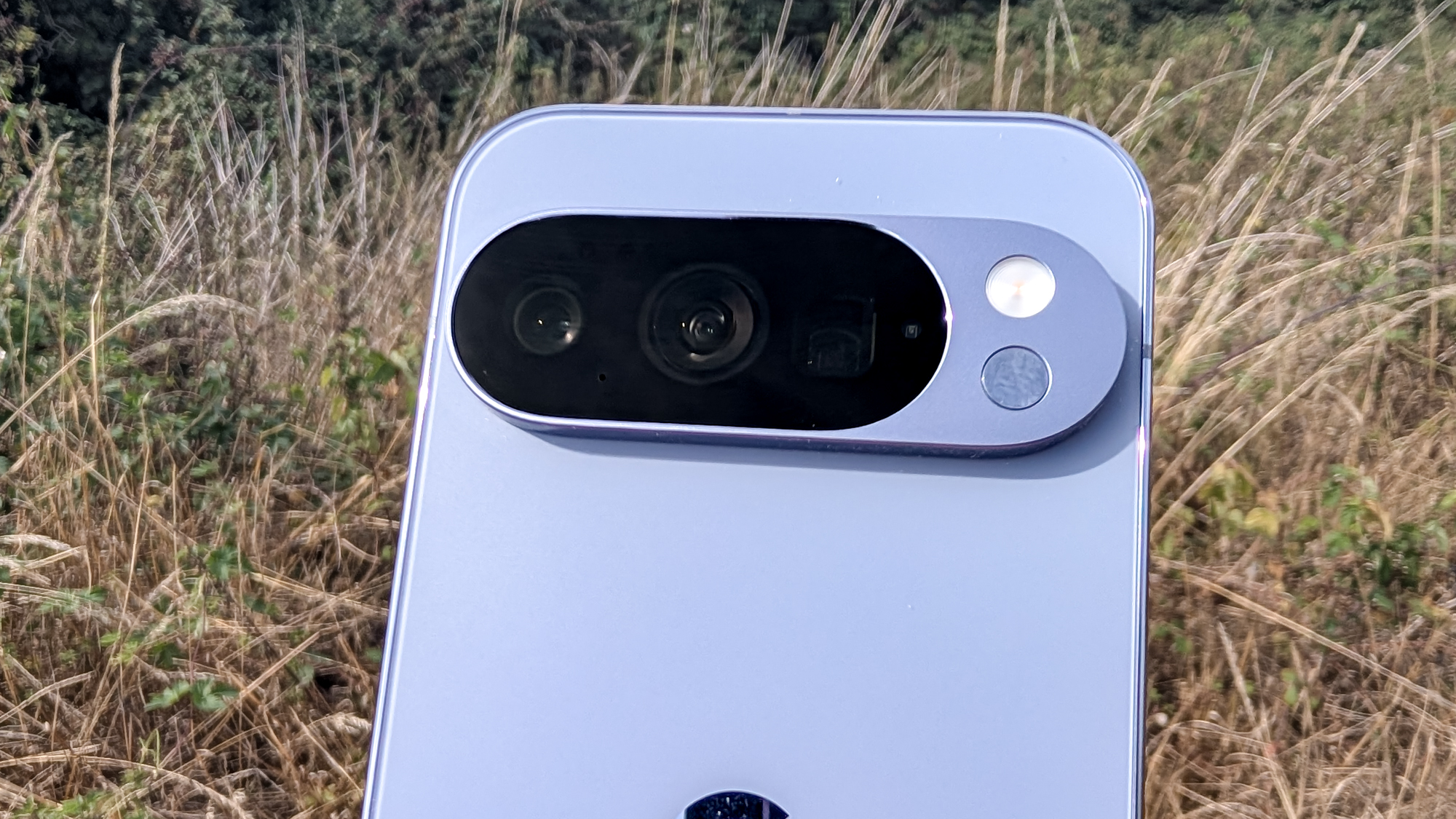
We’re not expecting huge design changes for the Pixel 11 Pro. Given the existence of the smaller Pixel 11 and larger Pixel 11 Pro XL, the 6.3-inch screen size is likely to be maintained, and the camera bar is something of an iconic calling card for the Pixel range at this point.
But that doesn’t mean there won’t be small adjustments, and we may have some pointers to these courtesy of the prolific leaker OnLeaks. The tipster has produced some CAD renders of the vanilla Pixel 11 handset for Android Headlines, which show thinner bezels and an all-black camera bar.

(Image credit: OnLeaks / Android Headlines)
Of course, the Pixel 10 Pro has far less bezel to lose than the regular Pixel 10, and camera bar color is something that could be pure speculation. Nonetheless, it’s a reminder that while small tweaks are likely on the way, it will still be recognizably Pixel.
Google Pixel 11 Pro: Performance
(Image credit: Future)
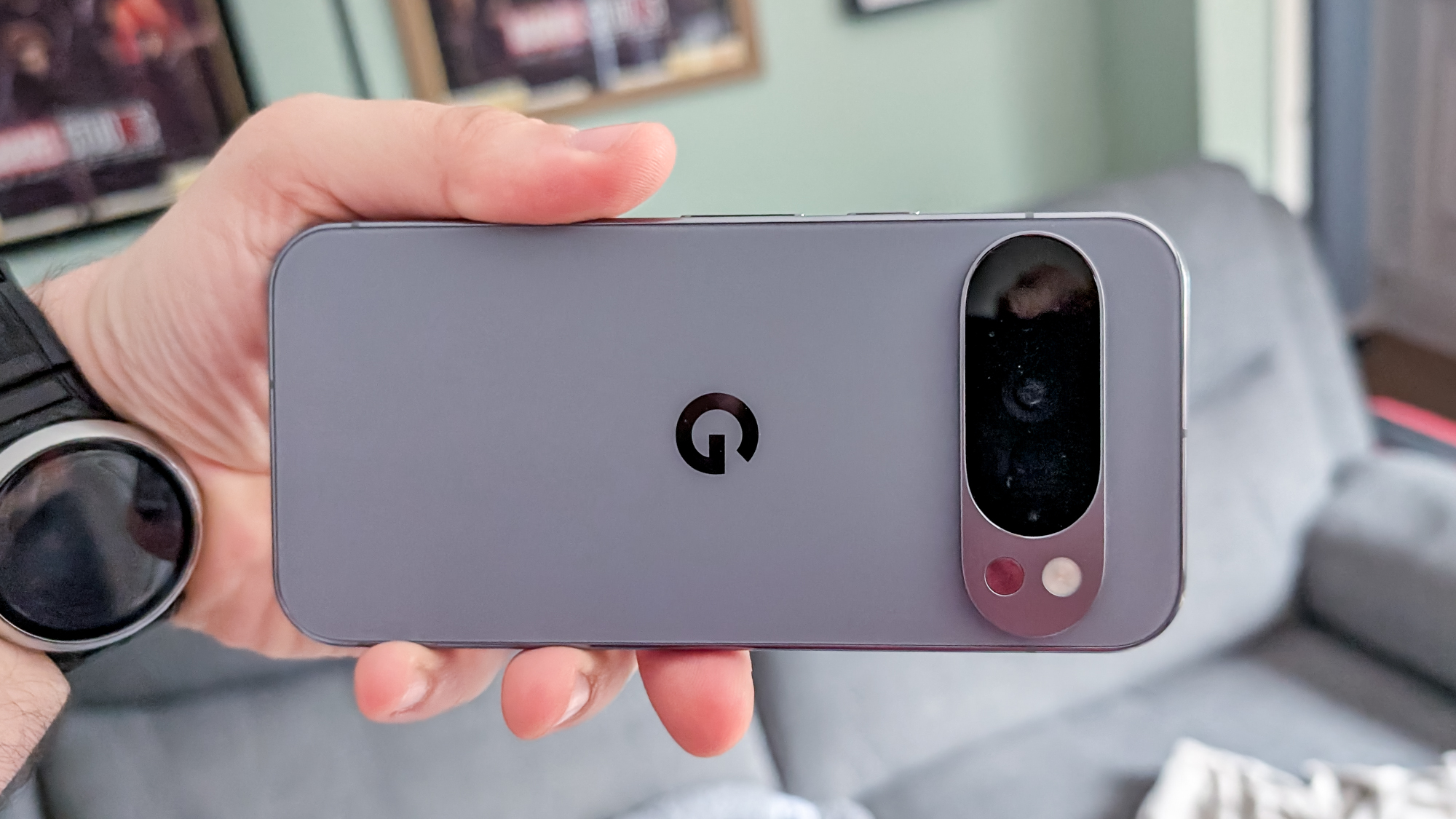
The biggest change for the Pixel 11 Pro is likely to be on the inside, with the upgrade to the Tensor G6 chipset.
While Google’s handsets are among the best Android phones you can buy, their Achilies heel has always been in terms of performance, with the Tensor chipset struggling to keep up with the Apples, Qualcomms and MediaTeks of this world. While last year’s G5 was a big step up from the G4, it still couldn’t compete with its high-end rivals in terms of raw performance, as the table below shows.
What to read next
Swipe to scroll horizontallyRow 0 – Cell 0
Google Pixel 10 Pro
Google Pixel 9 Pro
Samsung Galaxy S25 Plus
iPhone 16 Pro
Processor
Tensor G5 (3nm)
Tensor G4 (4nm)
Snapdragon 8 Elite for Galaxy (3nm)
Apple A18 Pro (3nm)
Geekbench (single core/multicore)
2,335 / 6.375
1,948 / 4,794
3,141 / 10,153
3,400 / 8,391
3DMark Wild Life Extreme Unlimited (score/fps)
3,134 / 18.77
2,567 / 15.38
6,579 / 39.3
3,840 / 23.03
Adobe Premiere Rush time to transcode (mins:secs)
2:19
No result
0:21
0:54
The Pixel 11 Pro could be another big step up, as the G6 chipset will reportedly be built to the 2nm manufacturing process, which means improved performance and efficiency thanks to increased transistor density.
That’s undoubtedly a positive, but you may want to temper your expectations. Cast your eyes up to the table above again, and you’ll see that the jump from Tensor G4 to G5 also saw a reduction in nanometers. While the performance improvement was substantial, it was still a way short of its rivals. We’ll have to see if the same is true again in 2026.
That said, it’s not all about pure power, and it’s been reported that the G6 chipset will see a significant upgrade in terms of security, with the Titan M3 chip. It’s not clear what that will mean in practical terms just yet, but with us putting more of our lives into our phones than ever, and cybercrime a growing threat, more security certainly isn’t a bad thing.
It’s also rumored that Google will also be adopting a different modem for the Tensor G6: MediaTek’s M90. “This modem is significantly faster and more energy-efficient compared to the current Tensor G5’s modem, the Exynos 5400(i),” the leaker, Mystic Leaks, writes. It will include “top-of-the-class features and record-breaking network speeds, possibly putting an end to Google Pixel’s notoriously bad battery life as early as next year.”
Elsewhere, we’re not expecting to see any advances on the 16GB RAM found in the previous generation, but it would be surprising if the Pixel 11 Pro didn’t bump its base level storage to 256GB. The last generation had a 128GB option, but with even Apple retiring the limited capacity for its iPhone 17 and iPhone 17e, it feels like time for the upgrade — perhaps going someway to justify a predicted price rise.
Google Pixel 11 Pro: Camera

(Image credit: Future)
To date, there haven’t been any leaks concerning potential Pixel 11 Pro camera upgrades, which is a shame, given the photographic specs of the Pixel 10 Pro were identical to the previous version.
There are two consolation points here. Firstly, it’s early days for Pixel 11 rumors, and it’s possible that Google has just been uncharacteristically good at keeping secrets under wraps.
But secondly, cameras are more than just the raw specs, and a lot comes down to resolution and aperture figures. Post-shot processing is a huge part of picture quality, and the Pixel 10 Pro’s photos were noticeably better than the predecessor, as you can see from the side-by-side shots in our review.
Google Pixel 11 Pro: Outlook
(Image credit: Future)
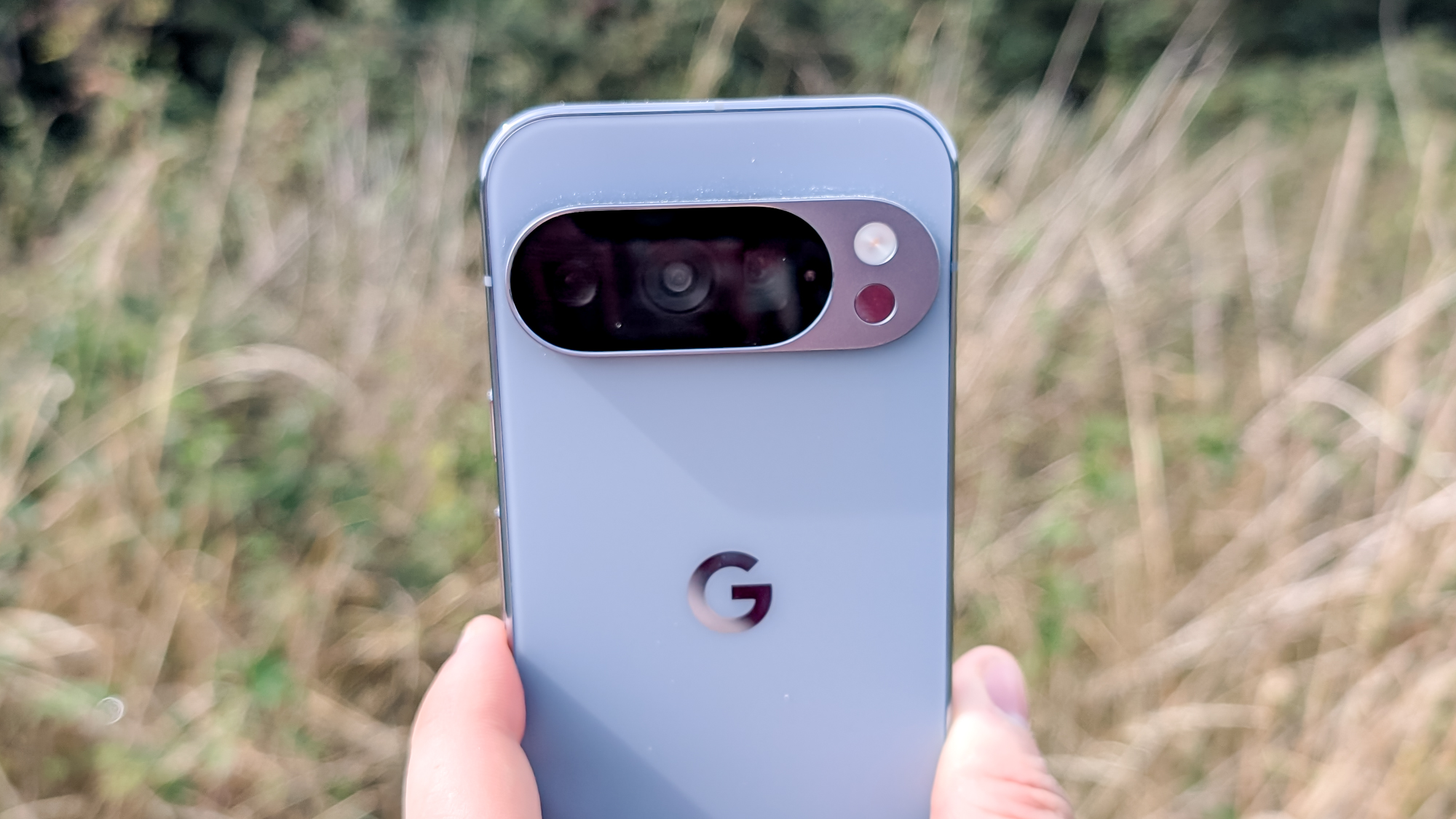
On paper, it doesn’t seem like the Pixel 11 Pro will be a big step up on the Pixel 10 Pro — which in turn wasn’t much of an improvement on the Pixel 9 Pro. We’re expecting a similar look and camera specs, which is quite disappointing in a year when we’re also bracing for price rises.
But a lot depends on how it performs. With the Tensor G6 adopting the 2nm manufacturing process, we could see a leap forward in terms of both performance and battery life. Especially when paired with the new modem, which promises far better internet speeds.
There also simply aren’t that many Pixel 11 Pro rumors at the moment, and while that might be a sign of “more of the same”, it could also be that Google has got better at clamping down on leaks. If that’s the case, then the Pixel 11 Pro may just surprise us when it launches in August.

Follow Tom’s Guide on Google News and add us as a preferred source to get our up-to-date news, analysis, and reviews in your feeds.
More from Tom’s Guide