
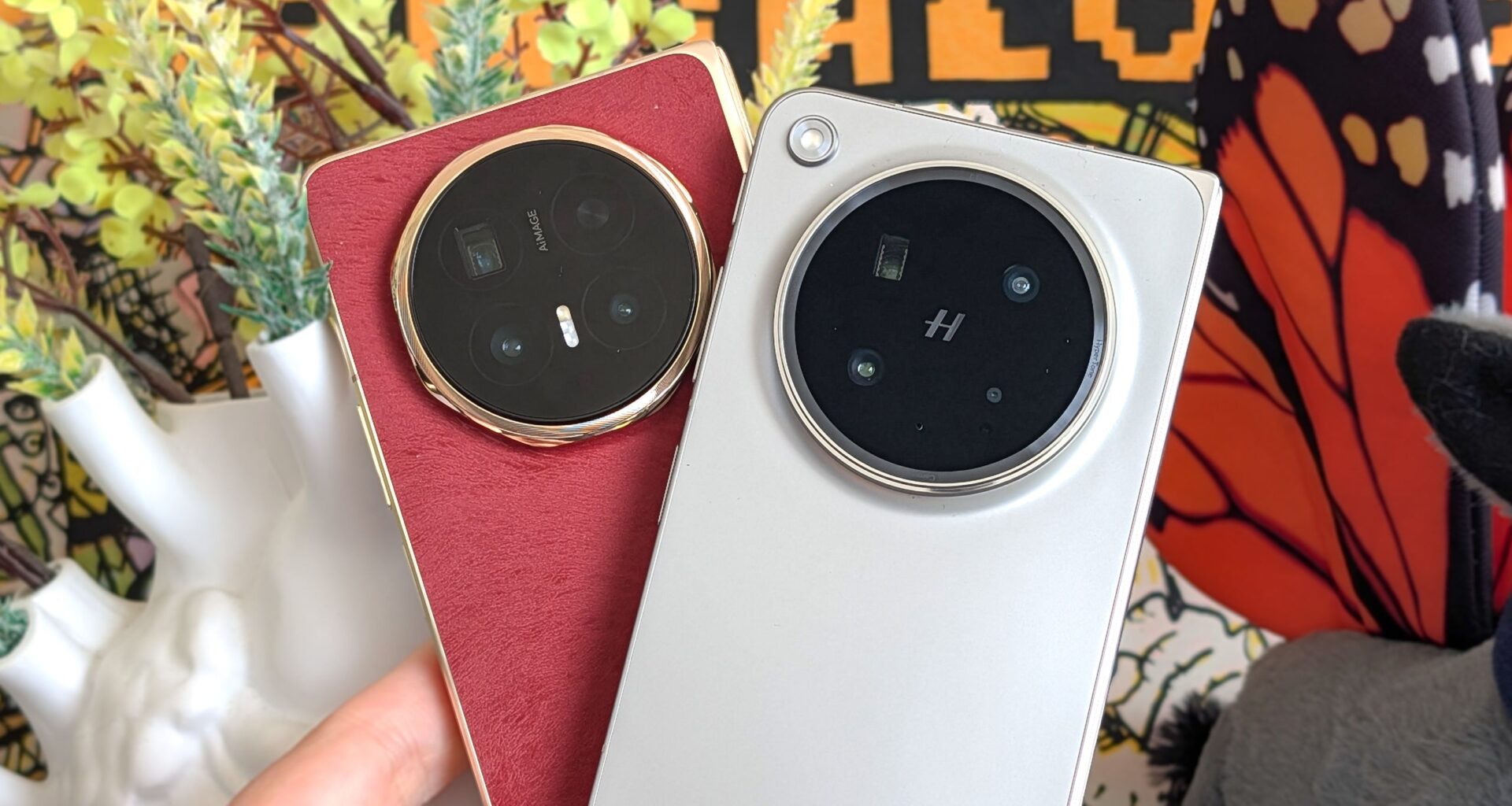
Silicon-carbon (Si-C) batteries are here, and are here to stay. Almost every flagship and mid-range phone made by Chinese manufacturers in the past two years — even those sold in the US (like the OnePlus 15) — now pack fast-charging Si-C batteries with capacities ranging from 6,000mAh (Xiaomi 17 Ultra) to 10,000mAh (Realme P4 Power). Yet Apple, Google, and Samsung have been reluctant to adopt this new battery technology.
That’s why ultra-thin handsets like Apple’s iPhone Air (3,190mAh) and Samsung’s Galaxy S25 Edge (3,900mAh) deliver merely adequate battery life, while Honor’s 6.1mm thick Magic8 Pro Air (5,500mAh Si-C) easily cruises along for over a day on a charge. It’s the same with many of the best foldable phones. Samsung’s Galaxy Z Fold7 comes with a measly 4,400mAh cell, while Oppo’s Find N6 and Honor’s Magic V6 boast 6,000 and 6,660mAh Si-C batteries, respectively.
Article continues below
You may like
Because, as it turns out, two-day battery life is a game changer. So what’s going on here? Are Si-C batteries really unsafe? Are durability and longevity an issue? Is there a cost or manufacturing barrier? I decided to go directly to the source and interview experts at Honor, OnePlus, and Oppo about Si-C batteries. I talked to Hope Cao, Honor senior product expert, and Rudolf Xu, senior product marketing manager, OnePlus. Here’s what I found out.
Si-C batteries are mature and improving rapidly
(Image credit: Tom’s Guide / Myriam Joire)
It’s pretty clear that standard Lithium-ion (Li-ion) cells with traditional graphite anodes have hit a limit when it comes to energy density. By adding silicon content to the anode, Si-C batteries offer vastly higher capacities in the same physical space. But silicon in anodes expands and contracts a lot during charges and discharges, and is challenging to integrate safely into cells. And that’s where each manufacturer’s secret sauce comes in.
Honor was an early player, delivering the industry’s first Si-C battery in a phone back in 2023, with the Magic5 Pro. The company’s progress has been remarkably aggressive ever since. For the Magic V6’s fifth-generation Si-C battery, Honor and partner ATL were able to achieve 25% silicon content. But the 1TB Chinese market version of the Magic V6 features 32% silicon content, resulting in a folding phone with a massive 7,150mAh battery. As Honor’s Cao puts it, this milestone is “marking the start of the 7,000 mAh era for foldable phones”.
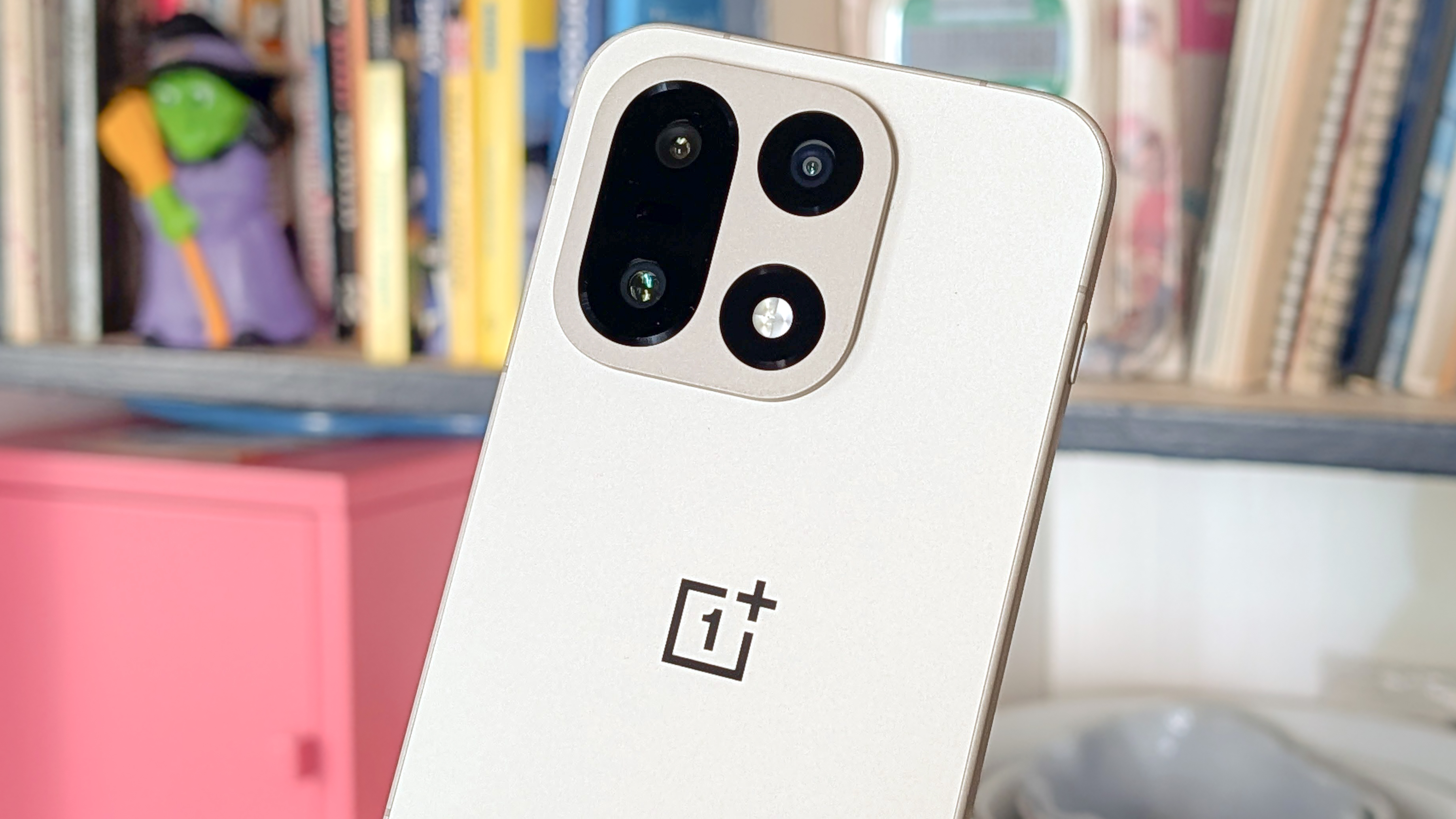
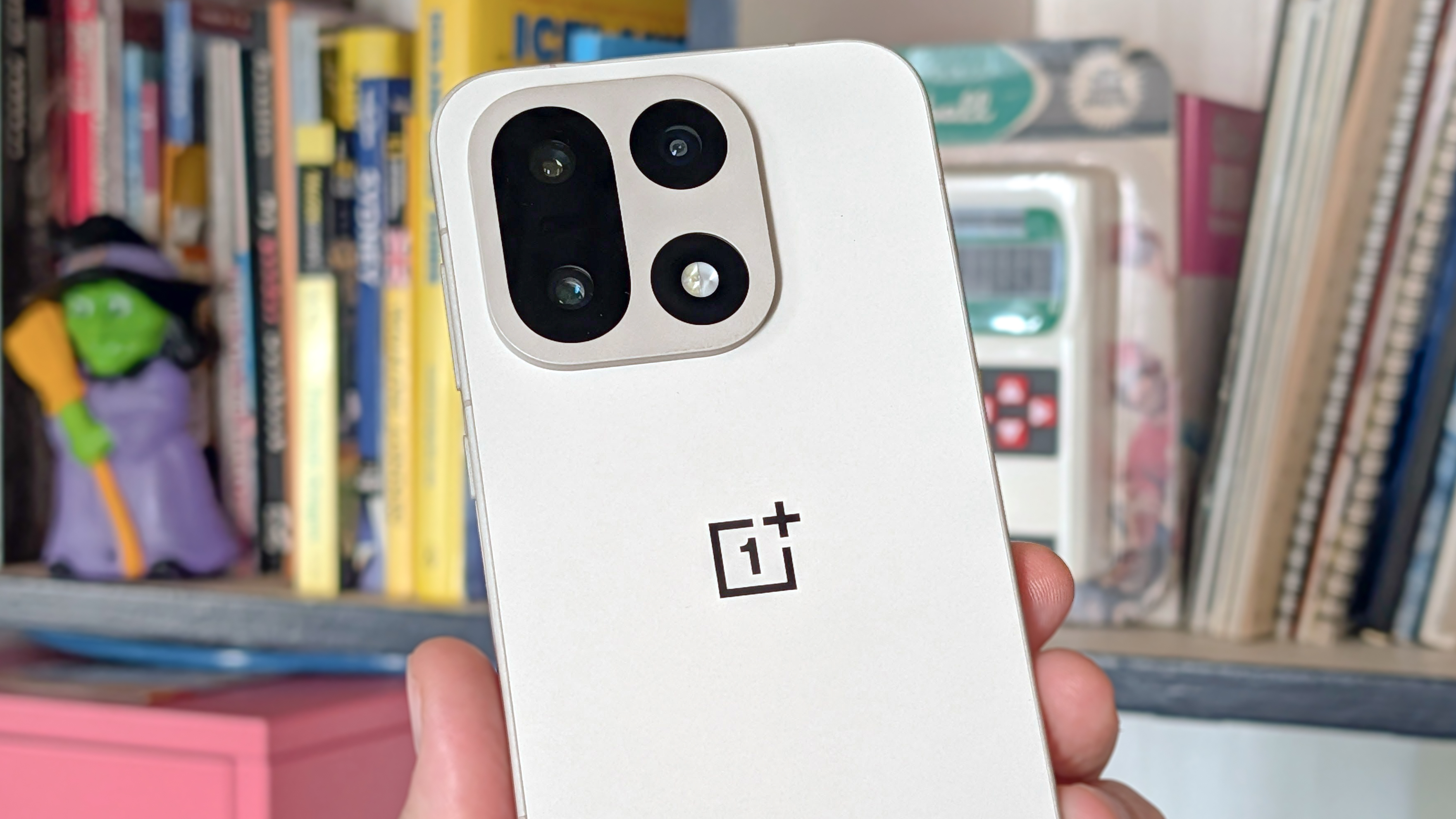
OnePlus joined the party a bit later with the OnePlus 13, which featured 10% silicon content. For its latest flagship, the OnePlus 15, the company’s proprietary Silicon NanoStack design managed to raise the silicon content to a 15% industry high. By combining this with a custom dual-cell architecture, the OnePlus 15 packs a whopping 7,300mAh Si-C battery into a standard candy-bar smartphone footprint.
Si-C batteries are enabling ultra-sleek designs
(Image credit: Tom’s Guide / Myriam Joire)
Flagship-level capability does not necessarily require sacrificing a slim, lightweight in-hand experience.
Hope Cao, Honor
The most immediate consumer benefit of Si-C batteries is their profound impact on industrial design. Since these cells deliver significantly higher energy densities, manufacturers like Honor, OnePlus, and Oppo are able to offer thinner form factors with outstanding battery life. This also makes Si-C batteries ideally suited for folding phones like the Honor Magic V6 and Oppo Find N6, or ultra-sleek flagships like the OnePlus 15.
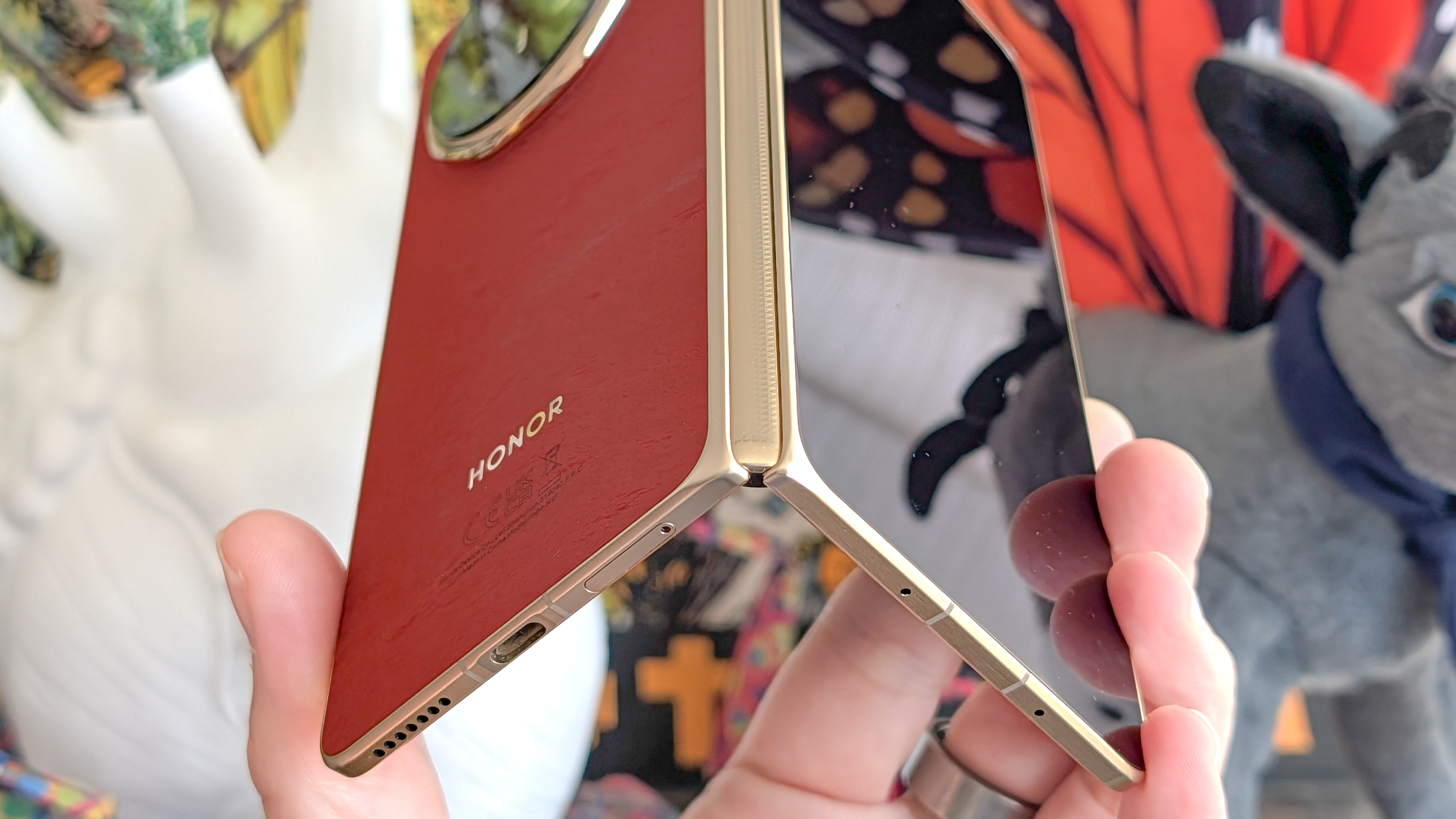
For Honor, Si-C batteries are critical to the company’s folding phone strategy. Keeping these devices highly pocketable requires a split battery design with two smaller, thinner cells. Thanks to Si-C batteries, the Magic V6 manages to pack up to 7,150mAh into a chassis that’s merely 8.75mm thick when folded. Honor”s Cao emphasizes that “Flagship-level capability does not necessarily require sacrificing a slim, lightweight in-hand experience.”
What to read next
OnePlus is focused on using Si-C batteries to improve the look and feel of traditional candy-bar smartphones, noting that consumers are showing a “fresh appetite for compact flagships”. Si-C batteries allow the company to slightly reduce device thickness while greatly increasing battery capacity. As a result, the OnePlus 15, which boasts a 7,300mAh Si-C battery, combines a slim, premium design with industry-leading battery life. It’s no wonder that it has the best phone battery life of any device that Tom’s Guide has tested.
Si-C batteries are more expensive and more difficult to manufacture
(Image credit: Tom’s Guide / Myriam Joire)
We do not foresee Si-C anode batteries becoming cheaper than conventional graphite-anode cells in the near term.
Rudolf Xu, OnePlus
Despite all the aforementioned benefits, the transition to Si-C batteries faces a couple of significant hurdles. As you’d expect, Si-C batteries are fundamentally more difficult to manufacture and more expensive than standard Li-ion cells.
Honor is transparent about the higher cost, and states that Si-C batteries are typically 20% to 40% more expensive to manufacture than Li-ion batteries at the cell level. This premium reflects higher material costs, stricter production environments, and more complex manufacturing processes the company has developed to mitigate the rapid expansion and contraction of silicon in anodes while charging and discharging.
OnePlus also confirms that Si-C batteries are more expensive. Xu is candid about current prices, saying, “We do not foresee Si-C anode batteries becoming cheaper than conventional graphite-anode cells in the near term.”
Si-C batteries require state-of-the-art engineering
(Image credit: Tom’s Guide / Myriam Joire)
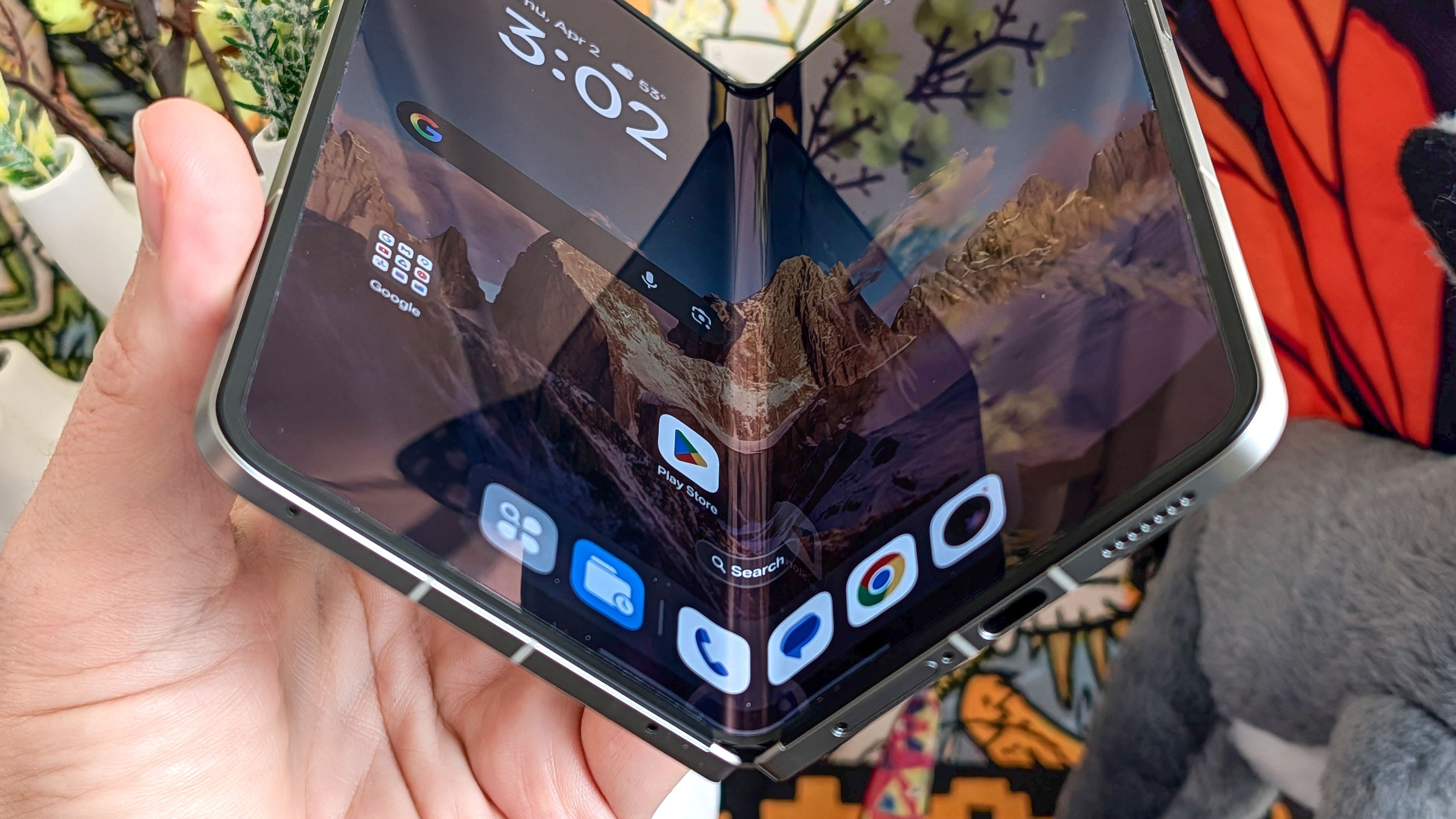
The challenge with using silicon in anodes is its extreme volatility. As the silicon in the anode absorbs lithium ions, it expands drastically, which creates extreme mechanical stress within the cell. Both companies overcome this obstacle in their Si-C batteries through impressive engineering feats.
Honor handles this problem in multiple ways. Cao explains that the company broke away from traditional anode designs “by layering the silicon and graphite systems like a ‘sandwich’.” It also developed a Chemical Vapor Deposition (CVD) process that allows the silicon in the anode to expand in a more uniform way, reducing mechanical stress. Honor also uses a microscopic “spider-silk” adhesive, an elastic binder that keeps the cell’s internal dimensions stable under compression.
OnePlus tackles this issue by using spherical silicon-carbon particles and an aerospace-grade coating that the company developed in house. Beyond the Silicon NanoStack battery itself, the OnePlus 15 uses an AI-based battery management system (BMS) to prevent the cells from degrading over time.
Si-C batteries are safe and durable
(Image credit: Tom’s Guide / Myriam Joire)
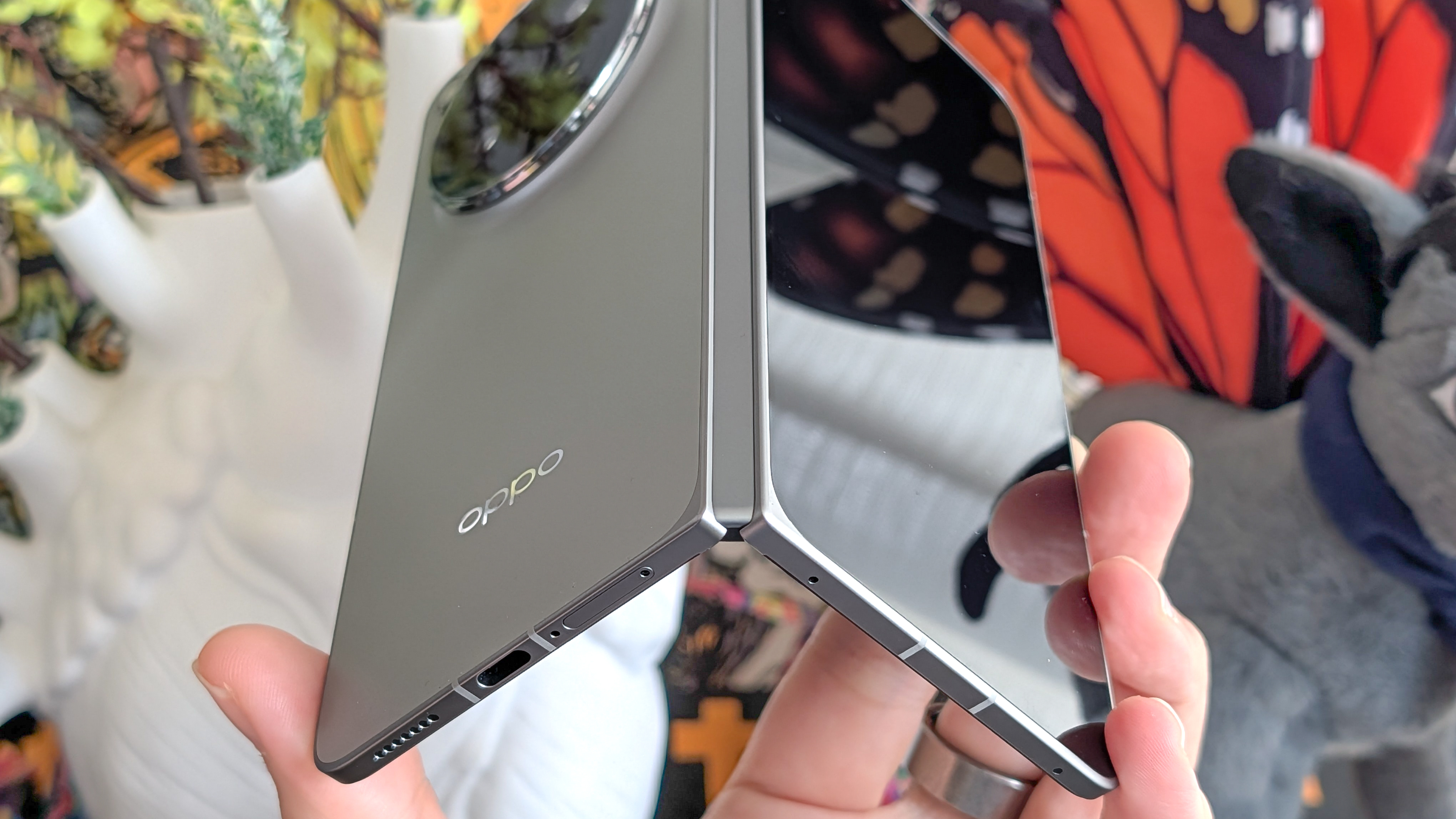
Given how much silicon in anodes expands while charging, and the resulting mechanical stress, both companies have taken exceptional steps to ensure that their Si-C batteries remain safe and durable for years to come. This includes extreme testing that exceeds the certification requirements used for Li-ion cells.
Honor’s testing goes far beyond industry standards. Besides obtaining mandatory CB (IEC 62133), UKCA (UK Conformity Assessed), and CE (European Union) certifications, the company subjects its Si-C batteries to tests in extreme conditions to ensure stability. As Cao notes, “In response to the unique expansion characteristics of Si-C batteries, Honor conducts even more rigorous evaluations, such as puncture resistance tests, extreme stress tests, structural deformation tests, and high-temperature stability tests.”
OnePlus is similarly thorough, and runs more than seventy unique tests on its Si-C batteries. The company evaluates cells in a broad range of temperature, voltage, and stress conditions to make sure its Si-C batteries meet strict durability and safety targets. According to Xu, device longevity is critical to OnePlus, and the Silicon NanoStack battery used in the OnePlus 15 is designed to maintain “over 80% of its original health after 4 years of use.”
Bottom line: two-day battery life for all
(Image credit: Tom’s Guide / Myriam Joire)
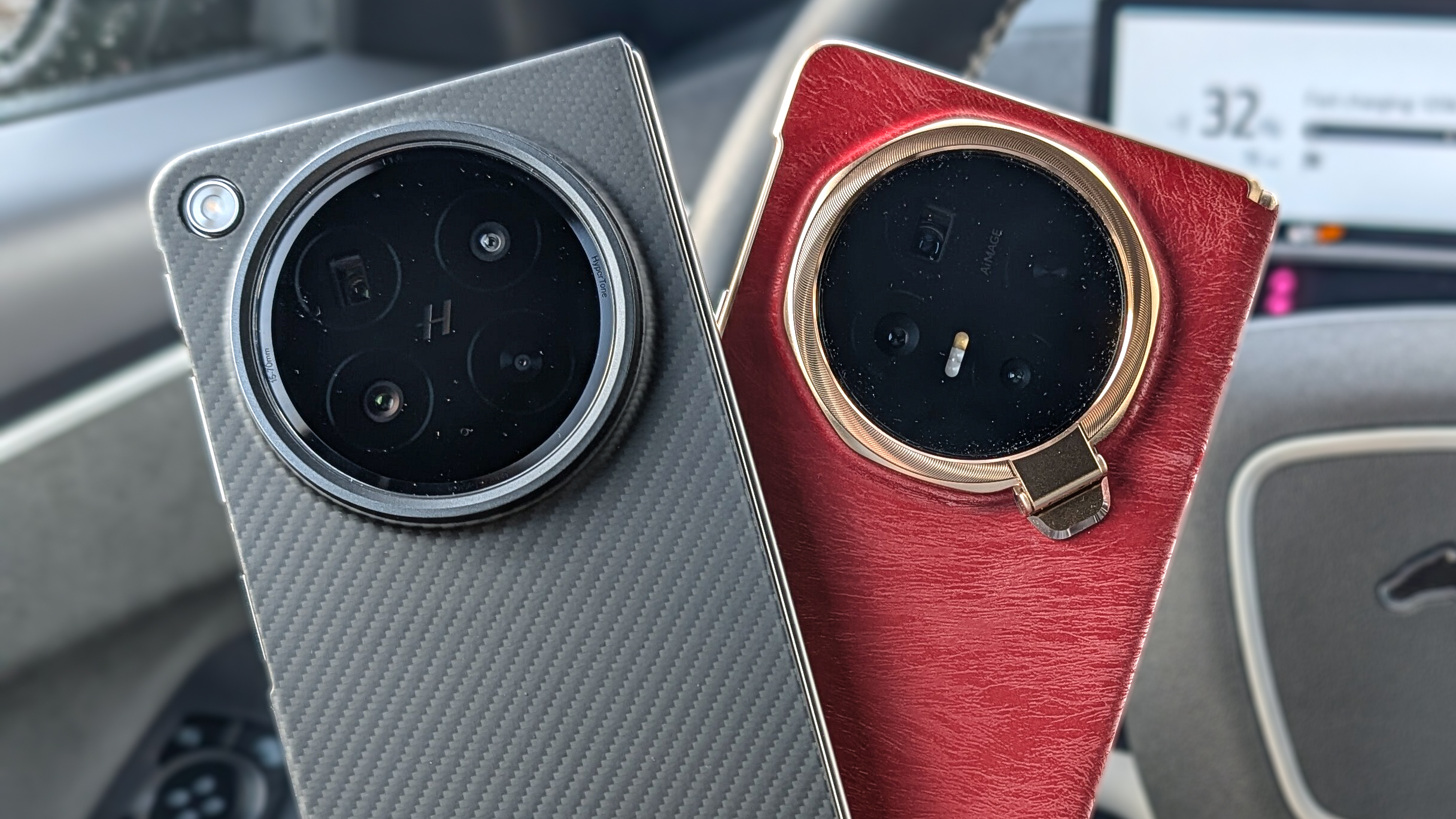
So there you have it. After hearing from experts at Honor and OnePlus, two leaders in the field of Si-C batteries, I hope you have a better understanding of what this technology brings to the table — the benefits, the limitations, and the remaining challenges. What’s abundantly clear is that Si-C batteries today aren’t some exotic fad. They are a mature, safe, and durable technology that drastically improves the smartphone user experience, and are here to stay.
With Chinese manufacturers relentlessly marching forward, it’s only a matter of time until Apple, Google, and Samsung join the Si-C battery party. And that’s a good thing, because their manufacturing volume and marketing power will make this technology accessible to everyone — in other words, ubiquitous. After all, who doesn’t want a fast-charging smartphone with two-day battery life?

Follow Tom’s Guide on Google News and add us as a preferred source to get our up-to-date news, analysis, and reviews in your feeds.
More from Tom’s Guide