
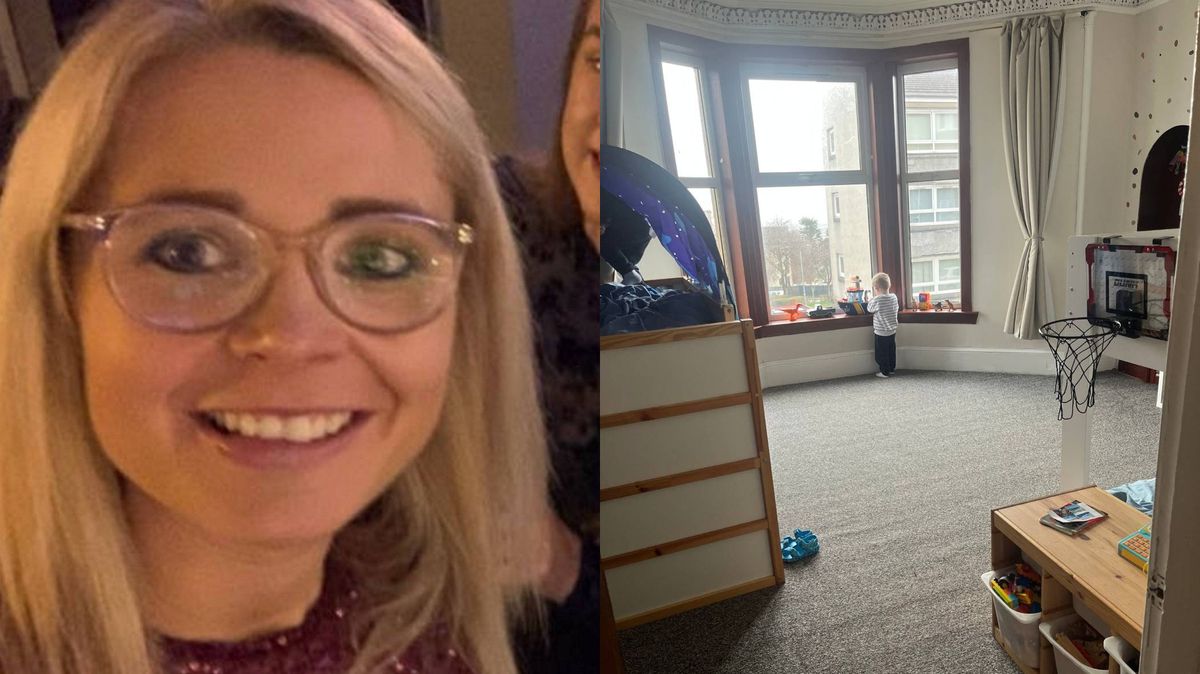
Emma Smith, 34, from Glasgow claims to save £1,000 a month – money she puts towards swimming lessons, activities and budget holidays with her three boys.
08:51, 05 Apr 2026Updated 08:51, 05 Apr 2026
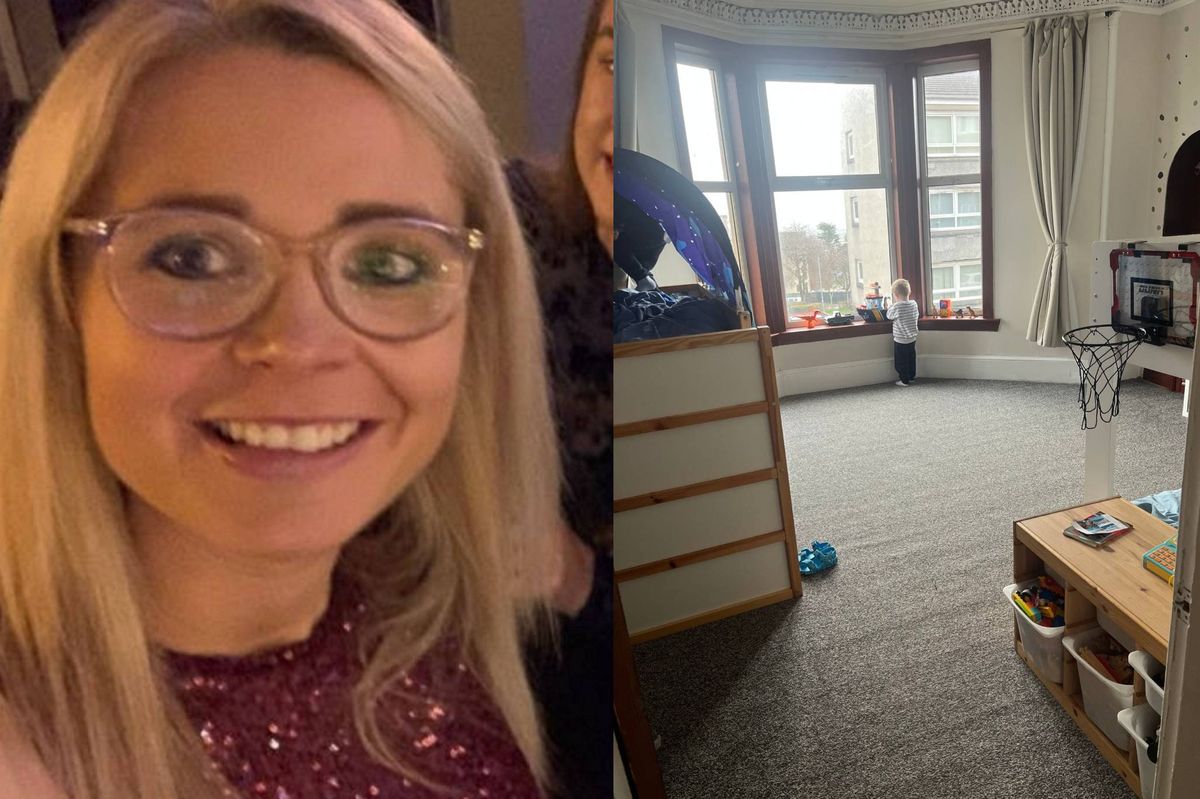
Emma Smith uses the money she’s saved on family holidays(Image: SWNS)
A single mum-of-three is managing to save £1,000 each month despite working only 20 hours weekly. Emma Smith, 34, manages to squirrel this away by residing in a two-bedroom flat – and uses the surplus cash to enjoy 10 holidays annually.
Emma reveals the combined cost of her mortgage and household expenses totals merely £557 – half what she’d need to fork out for a four-bedroom property in her neighbourhood.
This allows the Glasgow-based mother to spend more precious moments with her youngsters, and enables her to whisk them away on frequent trips to places including Rome, Copenhagen, and Brussels.
READ MORE: Doctor warns that one type of food is ‘worse than smoking’ for early deathREAD MORE: Real reason flight attendant welcome you on planes – it’s nothing to do with manners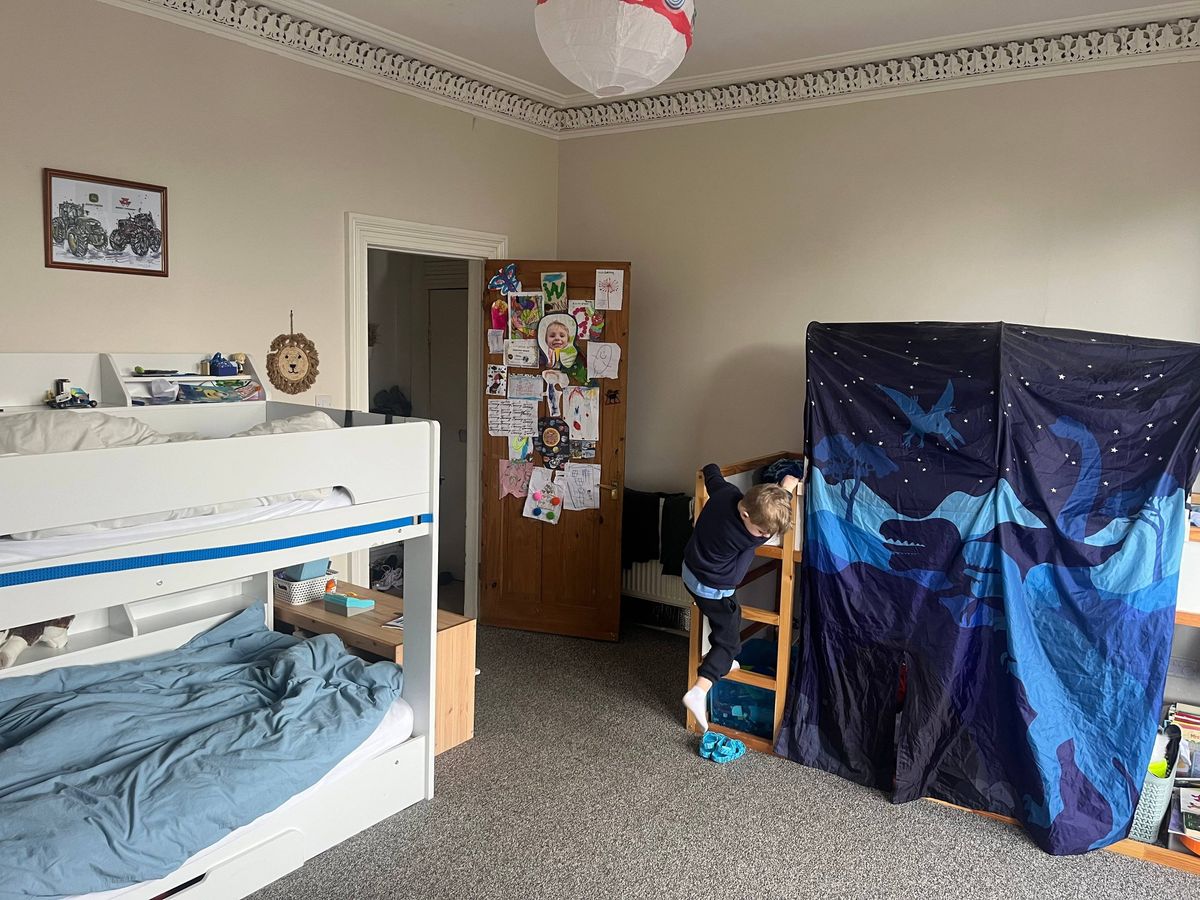
The children’s bedroom has a bunk bed and a single bed(Image: SWNS)
Emma, employed in finance, explained her three lads – aged three, four, and six – bunk together in one room, while she occupies the other bedroom. When her children mature, she indicated she’ll increase her working hours and relocate to a bigger property, but currently she’s satisfied with the financial flexibility she possesses, reports the Manchester Evening News.
“I’m a single parent, so we’ve just got my income coming in, but because I save so much money by living in a small flat, my kids still have so many opportunities,” Emma said.
“If you count caravan weekends, we went away 10 times last year. I took the boys to Brussels, Rome and Copenhagen. I also only have to work 20 hours a week, and because my two youngest aren’t in school yet, I get to spend so much time with them.
“It saves me so much on childcare as well. I don’t need to stress about money, and I can spend more on fun things. The boys love sharing a room as they’re all so close in age, and all of their toys are shared.
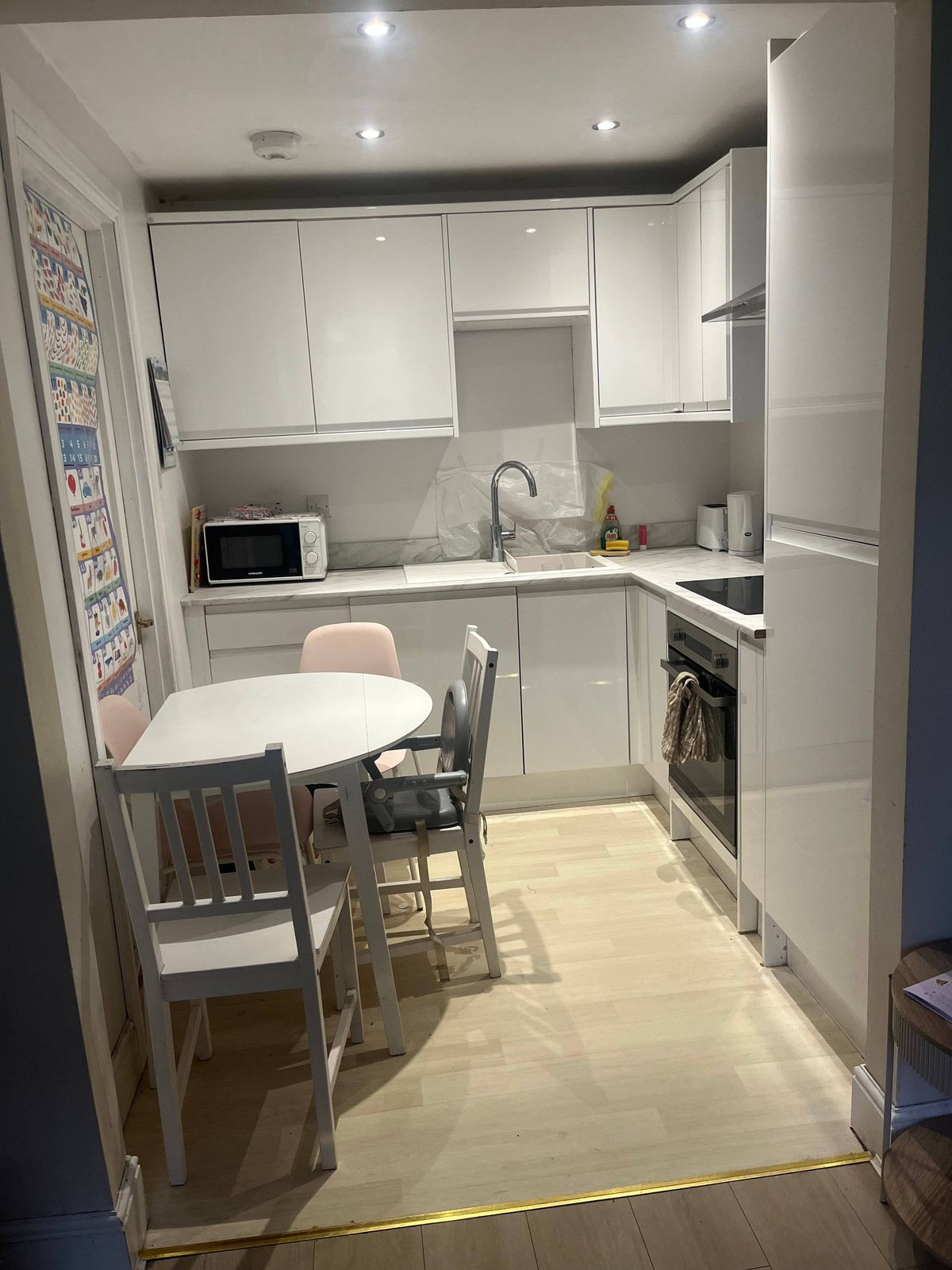
The kitchen area complete with a dining table(Image: SWNS)
“I’d like to stay here as long as we can, but when they’re older and want their own space, we will move to a bigger place.”
When Emma initially purchased her bijou flat on the outskirts of Glasgow, it was a one-bedroom property, but she cleverly reconfigured the kitchen into a kitchen diner and converted the lounge into a second bedroom. Her three boys share a room fitted with bunk beds and a single bed.
By residing in the two-bedroom flat, Emma makes substantial savings, with her mortgage payments totalling just £322 each month, in stark contrast to the £1,000 she estimates a four-bedroom house in her neighbourhood would cost.
Her gas and electricity bills amount to £130 each month, which she believes would surge to approximately £400 in a more spacious home, while her council tax stands at £105, which would almost double to roughly £200 if she relocated to larger accommodation.
Overall, Emma manages to save an impressive £1,043 every month by remaining in her compact flat. She channels the surplus money into swimming lessons, Taekwondo, and gymnastics for her youngsters, and treats them to 10 getaways every year.

Emma saves up to take her kids on multiple holidays a year and pay for their clubs and activities (Image: SWNS)
The extra disposable income also enables Emma to limit her working hours to just 20 per week, affording her greater quality time with her little ones. A further perk of residing in the smaller flat is that the family can afford to be situated in a prime location, within easy reach of shops, restaurants, bus routes and train stations.
“We’d have to be much further out if we were in a house,” Emma said. “The flat also benefits from a vast communal garden, complete with swings and trampolines for the boys to enjoy. It’s huge, and if we lived in a house, we wouldn’t have a garden even half the size of that.”
On top of that, living in a more compact space means there is considerably less cleaning to tackle, affording Emma more precious time with her children.