
The couple behind the homegrown design firm say the change has been good for business and their team. ‘We stripped out all the fluff.’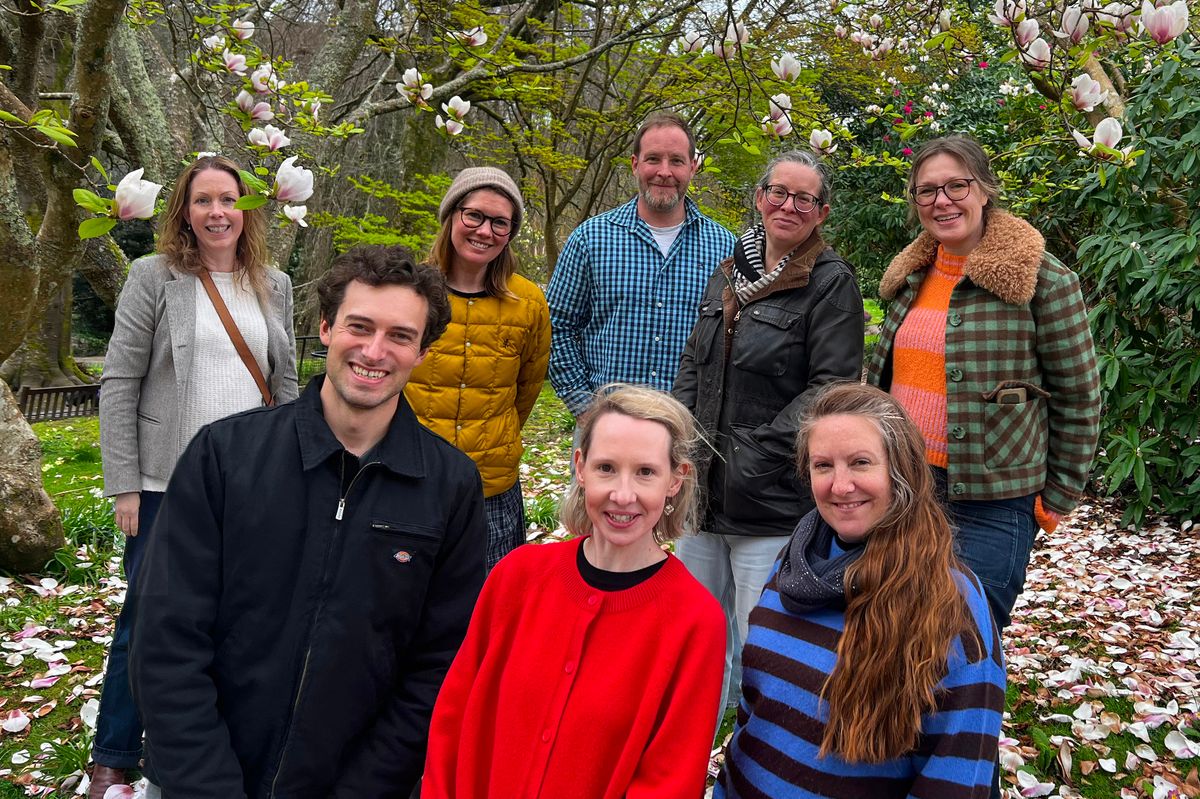
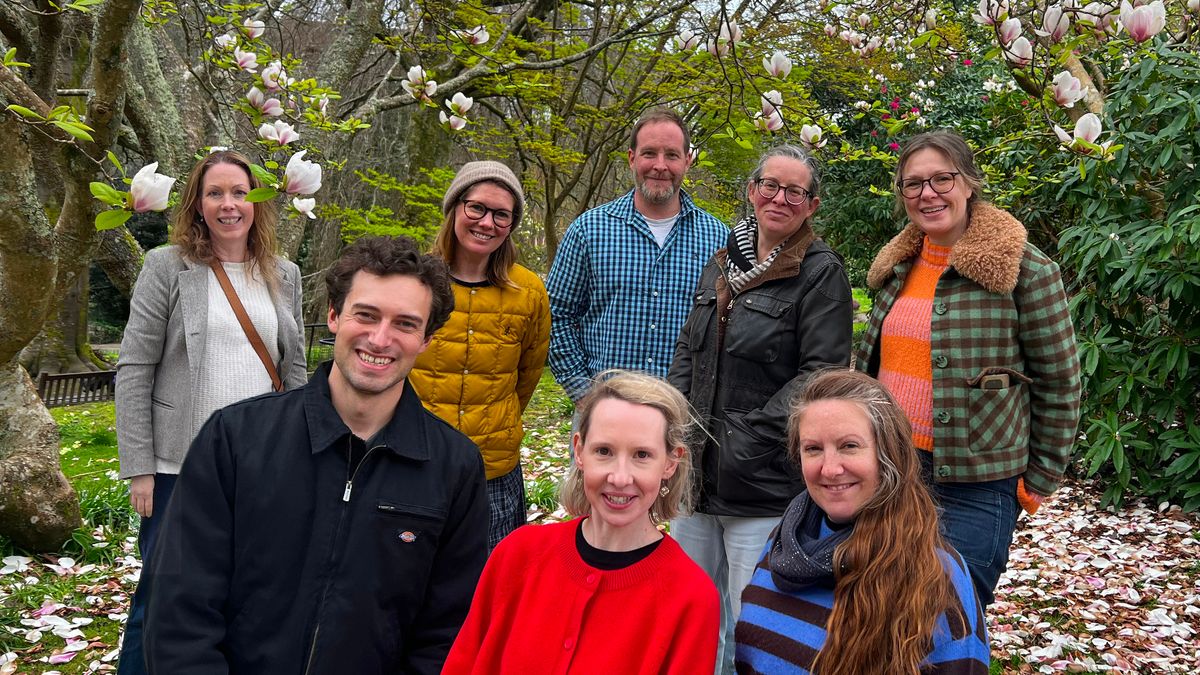
Truro-based landscape architects and designers Mei Loci who have adopted a four-day week without any loss of pay for the staff – and business is booming(Image: Mei Loci)
Imagine working for a business that values your wellbeing and gives you a third day off every week without any loss of salary?
What would you do with that extra time? How does it work for the business itself, managing workload and remaining profitable?
Landscape architects Mei Loci recently adopted a four-day week and did so without cutting any of their staff’s pay or making anyone redundant either.
The Truro business was started by husband and wife Mike and Patricia Hawes 14 years ago and now employs a total of 10 staff.
“Mei Loci has grown organically,” Mike Hawes said. “We never had a plan to grow the business. We just took on staff as our workload grew and we became better known.
“We have a great team of landscape architects and designers but now we are starting to make plans for the future.”
The conversation around a four-day week happened at the same time Mei Loci – which means ‘my places’ in Latin – relocated from the Old Bakery Studio on the Malpas Road to the building at the back of the Old Chapel Yard wine shop about a third of a mile away in the centre of Truro.
(Image: Mei Loci)
“It was about having a better office space from a professional point of view and for the wellbeing of our staff,” he explained.
Co-director Patricia said the business was already offering flexible working to the team but when the Covid pandemic forced people to work remotely, it became almost “too flexible” and the team lost its sense of cohesion.
“We had different people working to different timetables across the week but there no longer was any structure,” she said. “During Covid people established a type of lifestyle around their wellbeing and their children but it was no longer working.
“They didn’t feel like they were working as a team but more like freelancers. As designers we need to work together and bounce ideas off each other.

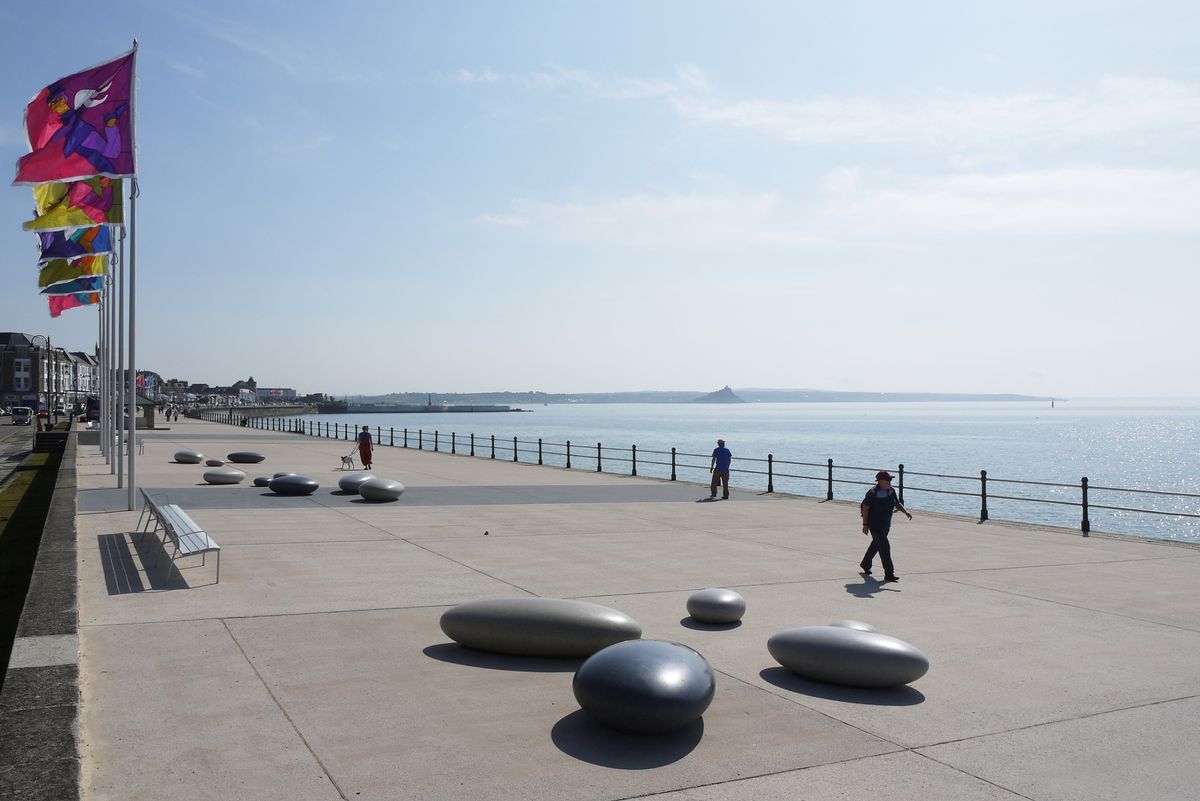
The Penzance Prom which was redesigned by Truro-based landscape architects and designers Mei Loci (Image: Mei Loci)
“The four-day week brought in helped to create a better structure without losing the flexibility. Our staff work remotely and come into the office.”
Parents-of-two Patricia and Mike explained how deadlines and clients’ expectations did not change after Mei Loci adopted a four-day week.
The new working pattern also doesn’t mean that Mei Loci shuts down every Friday or that staff have to cram in 12-hour shifts to cover for the loss of a day.
All 10 employees at Mei Loci enjoy a 32-hour working week with no reduction in pay.
She said: “We have people in the office Monday to Friday. Our core days are Tuesday, Wednesday and Thursday when almost everyone is in the office but we have about half the team taking the Monday off and the other half enjoying the Friday off.
“It forced us to eliminate inefficiencies and cut out unnecessary meetings. Our work is more focused and has fostered even greater collaboration.”
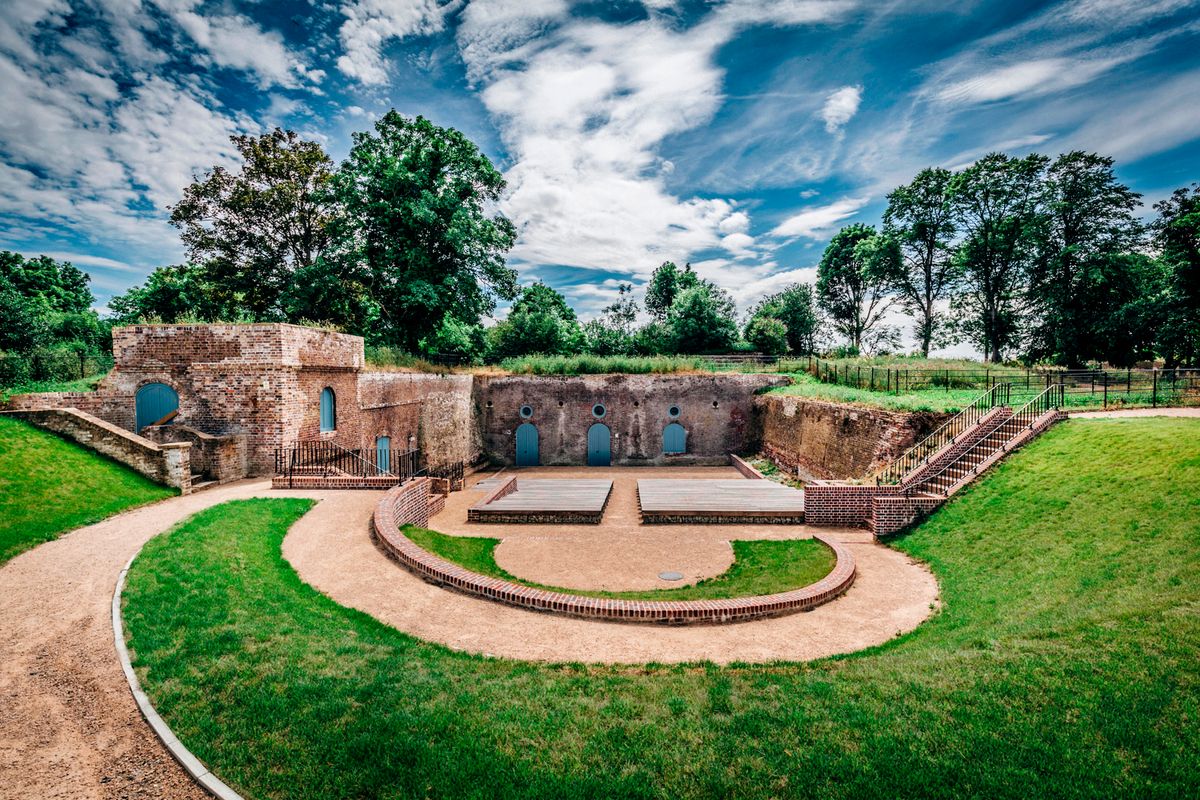
Fort Amherst in Chatham where Mei Loci have done some revamp design work (Image: Simon Kelsey / PRAXIS www.praxis)
With staff living in Hayle, Penzance, Bodmin as well as around Truro, adopting a four-day week also meant cutting down on staff’s commuting time, the carbon footprint involved and the cost to come to work.
“We stripped out all the fluff,” Mike added. “It’s much more structured and concentrated.”
The four-day week work was trialled for six more to see if it worked for both the business and the staff and has now become the normal working practice after being adopted earlier last month.
“The experience has been good,” Mike added. “We trialled it for the business and for people because the business has to work. If it doesn’t there are no jobs. But it works.
“Working a four-day week doesn’t affect our clients. It’s just about managing how our colleagues work. We still work nationally without any problems.”

Some design work created by Mei Loci for the redevelopment of Boscawen park in Truro (Image: Mei Loci)
Mei Loci has worked on landscape design projects in London, Manchester as well as in Cornwall, of course, including the redesigned Prom in Penzance or the play park in Boscawen Park, Truro. They were also part of the team which worked on the redesign of the park as part of the Towns Deal funding Truro received from the government.
Patricia said she did a lot of research into adopting a four-day week and spoke to the fellow B-Corp businesses who have also changed their working practices.
“There is a lot of evidence that it works for most people,” she said. “It is our responsibility to make sure it works so other businesses use it as an example.”
Numerous studies have shown that moving to a four-day week boosts productivity and workers’ wellbeing. When Microsoft trialled a four-day week with no loss of pay in their Japan office, productivity went up by 40 per cent.
The decision to adopt a four-day week came 18 months after Mei Loci achieved B-Corp status following a rigorous process. B-Corp is an accreditation given by B Lab to businesses that meet high standards of social and environmental performance, accountability and transparency and prioritise purpose alongside profit, balancing the interests of workers, communities and the planet.
There are now more than 80 B-Corp accredited businesses in Cornwall including high street fashion Seasalt, clotted cream makers Rodda’s and Cornwall Council’s housing developer Treveth.
“Our philosophy as landscape architects has never been about being in business to make money,” Patricia added. “We have a love of the environment and making spaces better for people.
“We work because we all have bills and mortgages to pay and we need to make sure we run a responsible and profitable business, but we want to look after our people and ensure we have a great team.
“Working to a four-day week came after we went through the B-Corp process. We knew we wanted to address the wellbeing and lifestyle of our staff. Ironically we had been too flexible which was great for people but no longer great for the team. It made us more efficient.
“So in that sense it was absolutely a business decision.”
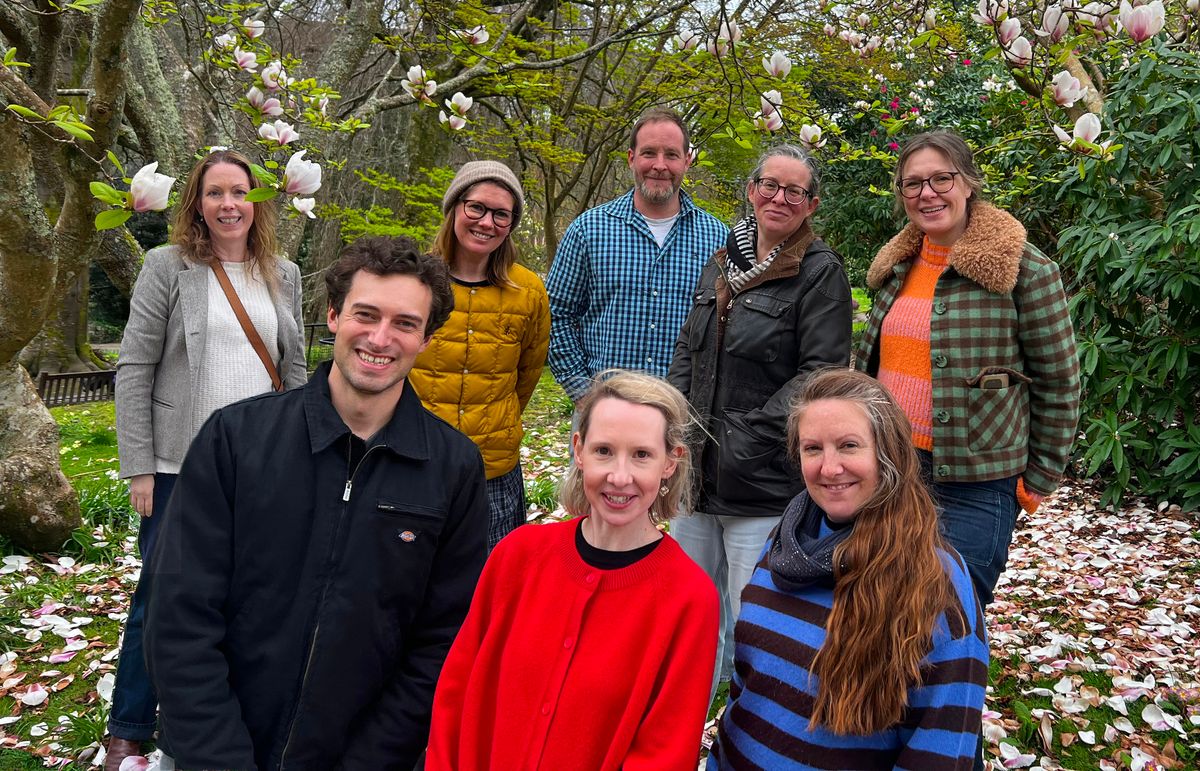
Truro-based landscape architects and designers Mei Loci who have adopted a four-day week without any loss of pay for the staff – and business is booming(Image: Mei Loci)
Since adopting a permanent four-day week, Mei Loci has become accredited as a Gold Standard four-day week employer under the 4 Day Week Foundation’s Employer Accreditation Scheme.
The 4 Day Week Foundation has accredited over 250 companies in the UK, which includes over 6,000 workers, that have permanently adopted a reduced hours four-day week with no loss of pay for employees, with the vast majority reducing working hours to 32 hours a week or less.
Analysis by the Office for National Statistics (ONS) published in August last year suggested that more than 200,000 workers have switched to a four-day week since Covid and the 4 Day Week Foundation estimates that at least 500 UK companies have adopted a four-day week in the last few years, which includes over 14,000 workers.
Joe Ryle, campaign director of the 4 Day Week Foundation, said: “Congratulations to Mei Loci for becoming a four-day week employer. With 20 per cent more free time, moving to a four-day week gives workers the freedom to be able to live a happier and better life.
“As hundreds of British companies and one local council have already shown, implementation can be a win-win for both workers and employers.
“The 9-5, five-day working week was invented 100 years ago and no longer suits the realities of modern life. We are long overdue an update.”
Want the latest Cornwall breaking news and top stories first? Click here to join CornwallLive on WhatsApp and we’ll send breaking news and top stories directly to your phone. We also treat our community members to special offers, promotions, and adverts from us and our partners. If you don’t like our community, you can check out any time you like. If you’re curious, you can read our Privacy Notice