
It faced a wave of opposition from some of London’s wealthiest residents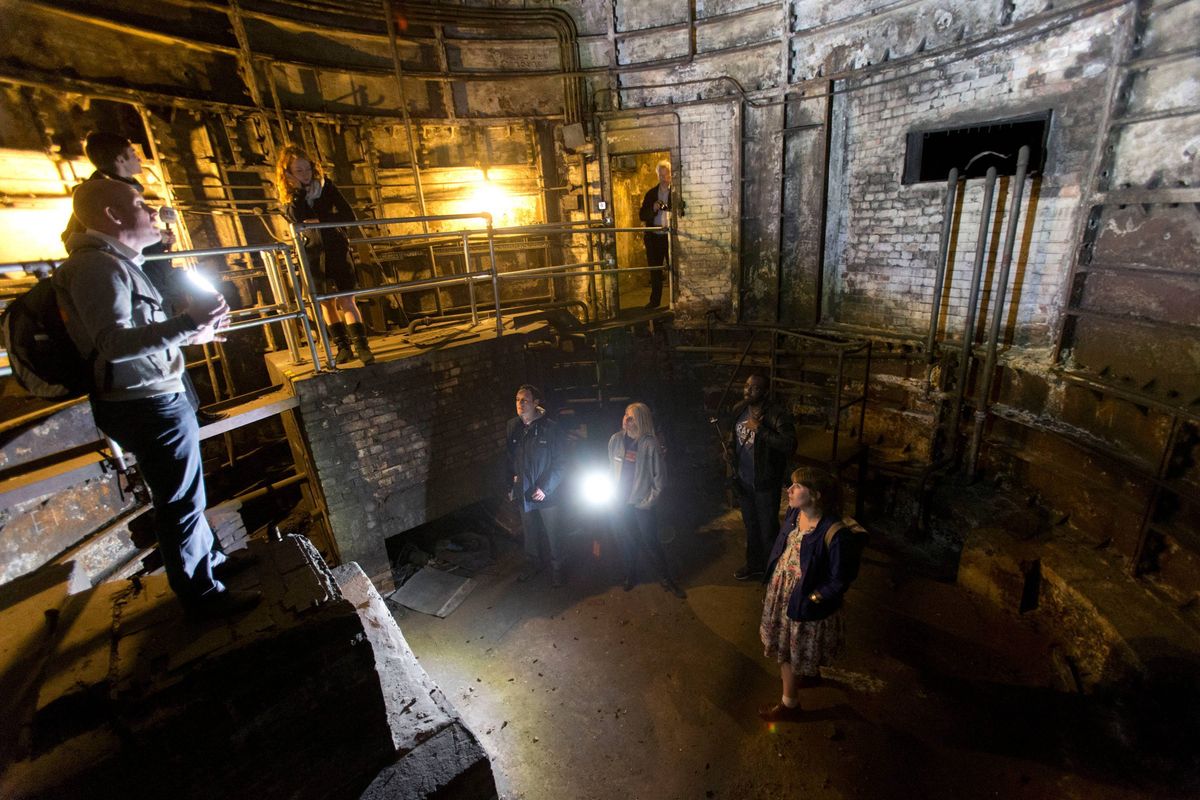
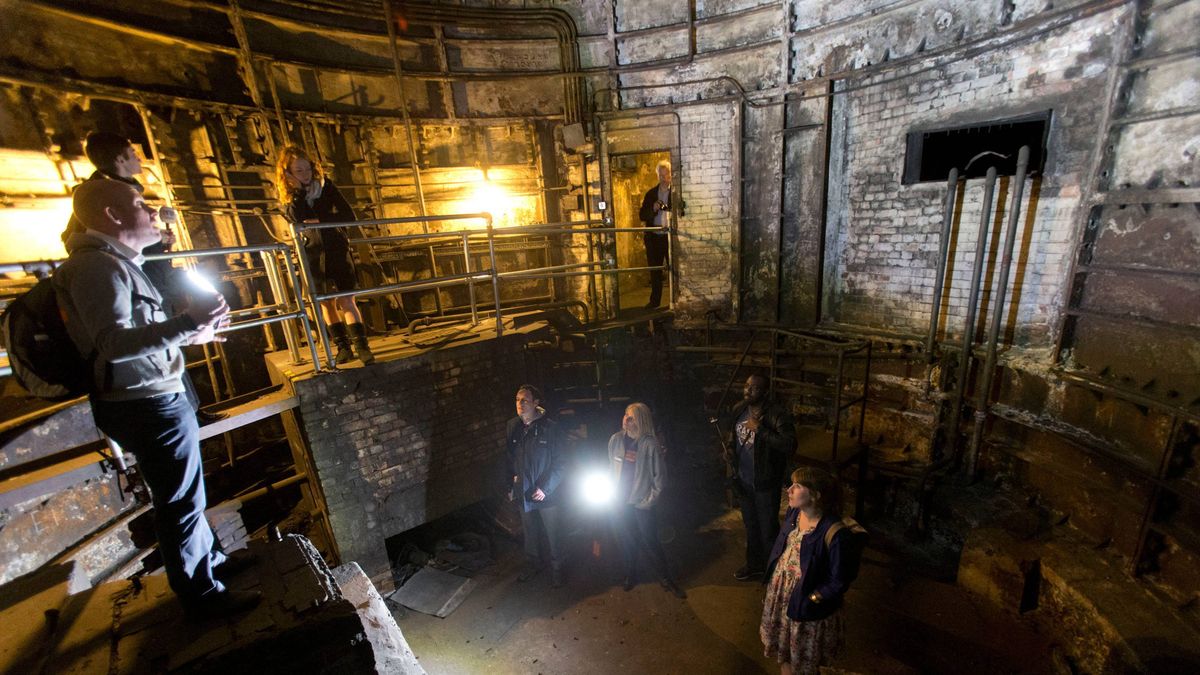
Down Street station now(Image: Yui Mok/PA Wire)
Once upon a time, a brand new London Underground station was built right in the heart of Mayfair. However, it wasn’t exactly welcomed by the locals who could afford more lavish and comfortable forms of transport.
The proposal for Down Street station encountered fierce opposition from residents who weren’t pleased about having a Tube station situated on their doorstep. They worried it would draw “undesirables” to their neighbourhood.
Despite this resistance, the Great Northern, Piccadilly and Brompton Railway pushed forward with their plans to construct the station. The line, which predominantly mirrors today’s Piccadilly line, had aspirations for the entrance to be positioned on the main road – an objective they maintained for all their stations along the route.
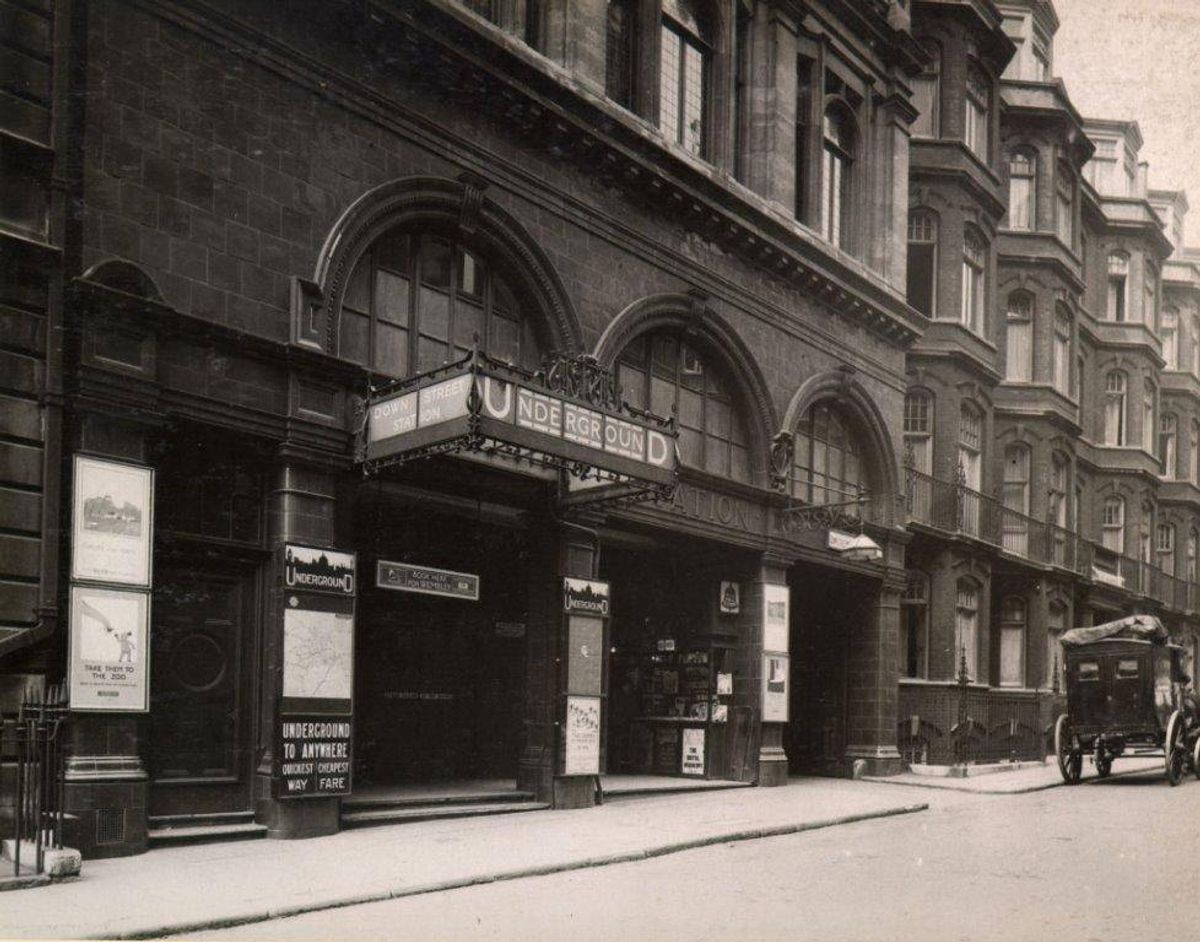
It was forced to a side street because of its unpopularity and then proved to not be worth it(Image: TfL)
However, owing to the backlash, they had to accept a building on a side street. When it opened its doors on March 15, 1907, it appeared that all the effort was fruitless as the station experienced minimal passenger numbers from the outset.
Its concealed location and closeness to more convenient stations like Hyde Park Corner and Dover Street didn’t assist matters. By 1932, Down Street station was shut for service.
But that wasn’t the end of the story.
The station turned out to be rather valuable after its closure. In 1939, with the outbreak of the Second World War, it was converted into an underground shelter for the Railway Executive Committee, an organisation responsible for maintaining railway operations during the war. The expansive tunnels of the former Down Street station were transformed into offices, bathrooms, dining rooms and dormitories. According to Atlas Obscura, the corridors were barely wide enough for a tea trolley to squeeze through.
Yet there was another fascinating secret lurking within. To reach the bunker, one had to enter at street level through the original building, though an alternative escape route also existed.
A small section of the former platform remained intact. Trains travelling along the line would pass through this point, and should an executive leave a red lamp there, the next train would stop.
There was just enough space to board alongside the driver, no questions asked. Fellow passengers would remain completely oblivious as to why the train had stopped, as only a tiny portion of the train aligned with that small remnant of platform.
Given the exceptional security of the former Down Street bunker, Winston Churchill himself, accompanied by several members of his government, made use of it before the Cabinet War Rooms in Westminster were completed. He fondly referred to it as ‘The Barn’.
Following the war, London Transport assumed control of the Down Street bunker, utilising it for engineering access and as an emergency exit.
While many of the offices have since been stripped out, those situated on the platforms remain standing. The London Transport Museum now provides tours of this long-abandoned London Underground station.
Sign up for our London Underground newsletter for the latest travel updates to make your commute easier, plus a weekly fix of Tube trivia! Sign up HERE.