
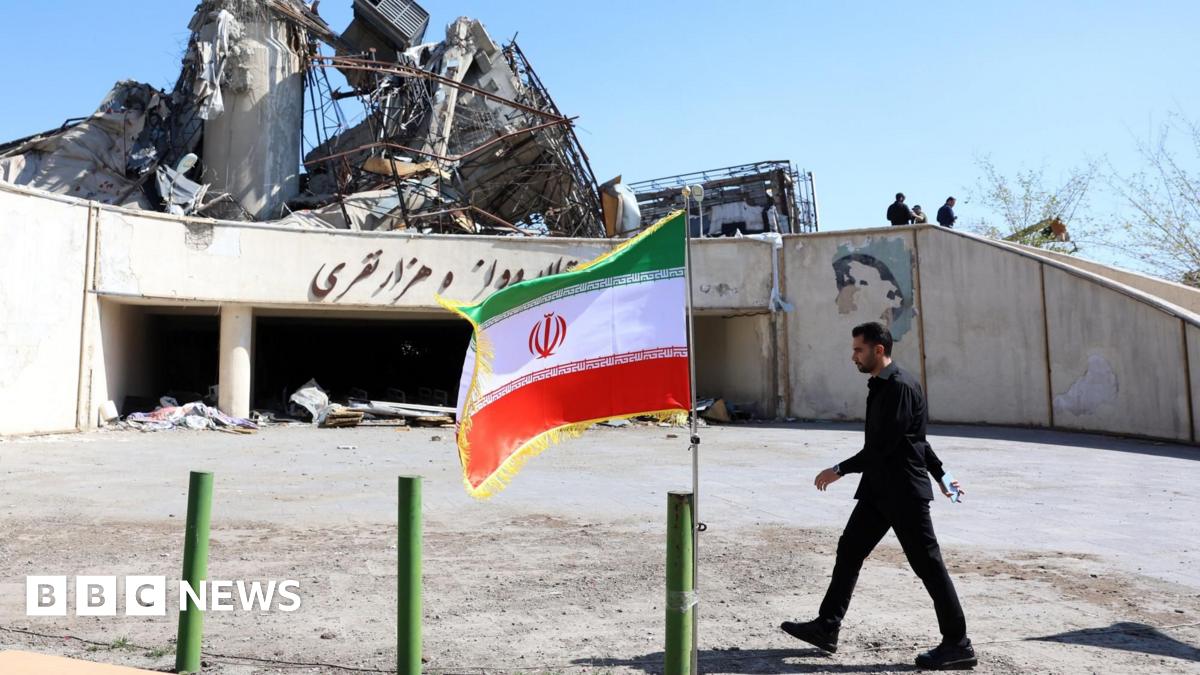
Many of those that the BBC talked to are worried about the economic impact the war.
Bahman, who is in his 20s and lives in Tehran, said: “I think Trump is scared of what Iran is going to do. I’m sure that Iran will hit everywhere in the region in retaliation.”
“When it comes to me, I don’t have a routine anymore, and I can’t even go to work with the situation because I’m a building superintendent engineer and no-one is building anything right now. Some smaller companies have started to lay off their employees already.”
Jamshid, who is in his 30s and runs a restaurant in Tehran, said his business was “not the same as before [the war]. I’m not optimistic about the situation. I estimate that I can hold this up for a month, maybe two, at most. The rent is breaking my back. It’s 200m tomans a month [approx. $1,270; £960; €1,100].”
That is high compared to the average monthly salary, which is estimated to be between $200 and $300.
Most of the people that the BBC has talked to are still paying hefty prices for access to the internet. The main route has been via sharing connections through those who have satellite internet Starlink systems.
But, using or possessing Starlink in Iran carries a punishment of up to two years in prison, and authorities have reportedly been searching for the dishes to stop people from connecting.
Internet access is being sold on the Telegram messaging app for around $6 for 1GB of data.
“I feel like I’m losing my mind. I didn’t even renew my internet package that I’m paying so much for,” said Marjan, in her 20s and from Tehran.
“What’s the point if Trump hits energy infrastructure? I’m distressed. My parents too… they argue over the smallest things now. I keep telling myself I’m fine, but I’ve had three mental breakdowns already today.”