
Interestingly, there has been no visible diplomatic support for the Hungarian government from the Trump administration on the pipeline issue. To prevent shortages, Hungary has been forced to release fuel reserves and import non-Russian oil through an alternative pipeline from Croatia.
A new problem emerged on Sunday, when the Serbian government – Hungary’s neighbour to the south – announced that explosives had been found and neutralised near the TurkStream gas pipeline, close to the border with Hungary.
Orban and pro-government media labelled the incident a terror attack on Hungary’s energy supply. But former intelligence sources in Hungary, and the opposition leader Peter Magyar, accused Orban of staging the incident with the help of the Serbian President Alexander Vucic to boost his chances of re-election next Sunday.
Orban has made hostility to Ukraine and its president, Volodymyr Zelensky, a cornerstone of his election campaign.
Other recent scandals also appear to have dented his popularity.
Private telephone conversations between Peter Szijjarto, the Hungarian foreign minister, and top Russian officials over several years have been leaked.
Transcripts suggest that Szijjarto regularly keeps the Russian government informed about confidential discussions at European Union summits, and lobbied to get Russian officials off the sanctions list at Moscow’s bidding. Szijjarto has defended the calls as “normal diplomacy”.
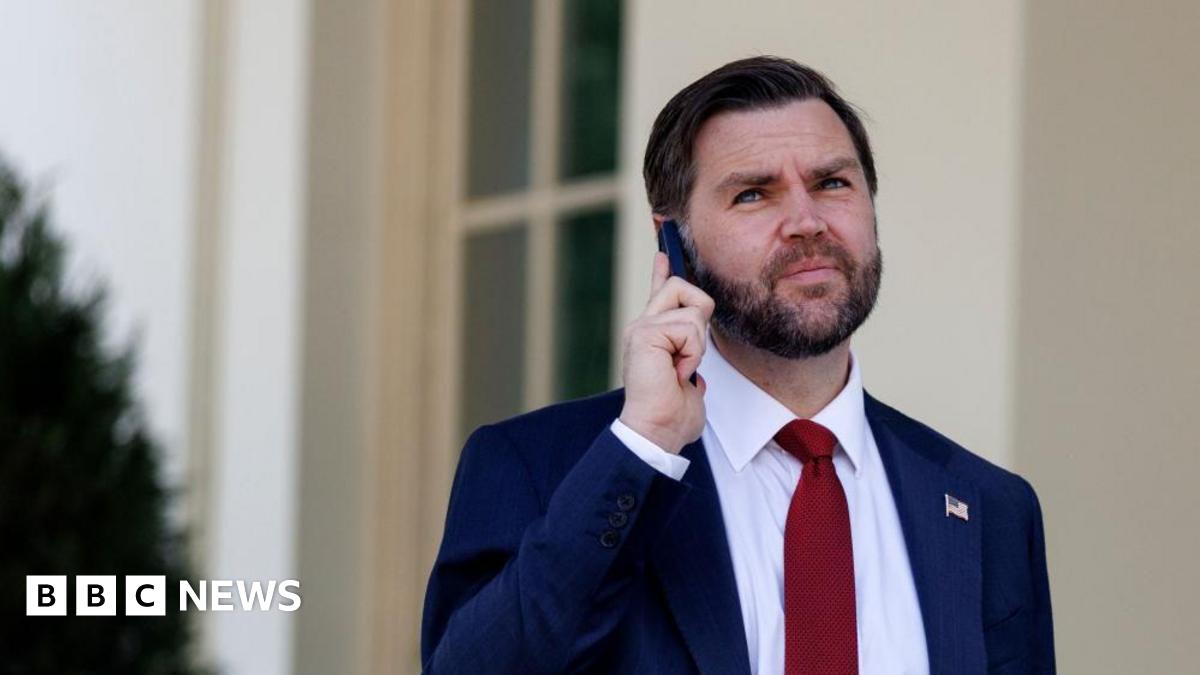
Orban is hoping that Vance’s visit will impress undecided Hungarian voters enough to back him once again, as a strong and internationally respected leader, in turbulent times.