
Dr Theocharis Kyriacou, who is associate professor of AI at York St John University, explained government guidelines on the use of AI in schools were only produced a year ago.
The Department for Education made it clear teachers could use AI but they needed to use their professional judgement to check anything generated was accurate and appropriate.
“The final responsibility always rests with them and their school or college,” a DfE spokesperson said.
“It’s still in its very early adoption phase, so there is interest and experimentation from schools, and that’s rising rapidly,” Kyriacou said.
“But deployment and use is patchy and uneven at the moment, it’s still only used for low stakes tasks, such as drafting feedback, quizzes or resource creation.”
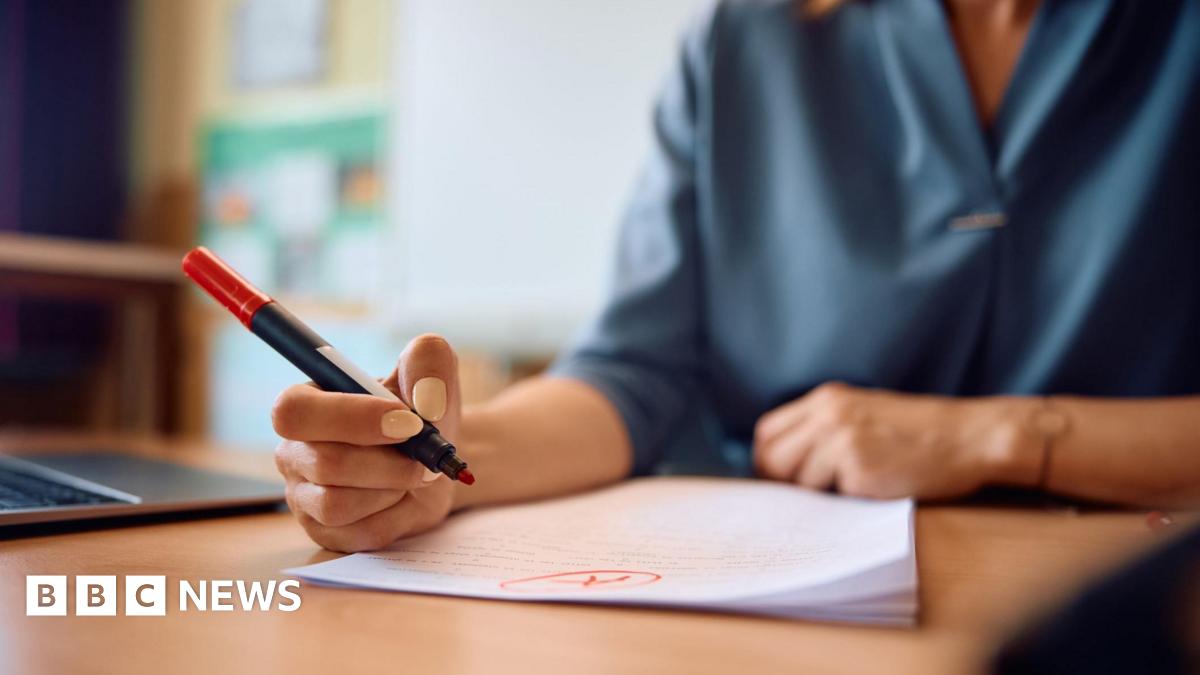
According to the professor, pupils would benefit from consistent marking and faster feedback with AI but it could also be a game changer for teachers.
“It’s very widely accepted that teachers are overworked. (They work) about 50 hours plus a week and that’s unsustainable,” he said.
“It’s time at the end of the day, it saves them time producing extensive and detailed feedback and personalised feedback for their students.”
However, he warned completely outsourcing marking would not be a good use of AI, as it would take the skill out of the hands of teachers.
“On the other side of how the student perceives being marked by AI, I’ve looked at some conversations on different forums and I can see that there’s this distrust and dislike about being marked by AI,” Kyriacou added.
“There can be distrust from parents if they don’t understand how these things are used.”