

Just four out of every 100 people developing the cancer will live 10 years or more but there are things you can do to cut your risk
14:34, 06 Apr 2026Updated 15:03, 06 Apr 2026
Dr Asiya Maula(Image: The Health Suite)
A doctor has shared the habits that raise the risk of a “silent” cancer that kills more than 95% of people who develop it within a decade. With many symptoms not showing until the disease is advanced it means it is often missed and had one of the lowest survival rates of any cancer in the UK.
According to Cancer Research UK, its latest figures show there were 11,091 cases of pancreatic cancer a year diagnosed on average between 2017-2021, excluding 2020, the year of the pandemic. Between 2022 and 2024 there were an annual average 10,200 deaths as a result of the disease. But it says while 37% of these cases are preventable, for those who do get it the results can be devastating with just 4.3% surviving for 10 or more years.
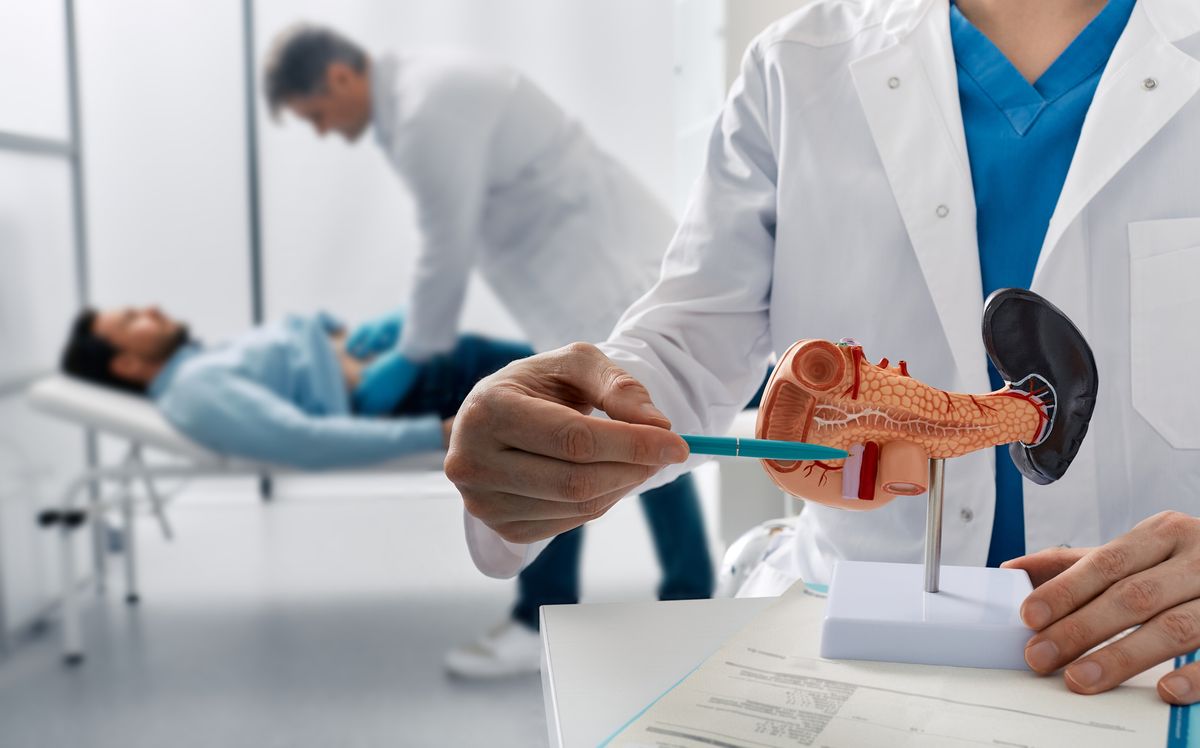
Heavy alcohol use and smoking can both play a part(Image: Getty)
Now private GP Dr Asiya Maula, of The Health Suite has warned of some common lifestyle habits which increase the risk of developing the cancer. And she says it is essential that people understand these as cases of the cancer are predicted to rise in the coming years.
She said: “Pancreatic cancer is often diagnosed at a late stage because symptoms can be vague or non-specific, which is why understanding the lifestyle factors linked to risk is so important. Small, consistent habits over time can have a significant impact.”
Smoking and alcohol ‘major drivers’ of risk
One of the most well-established risk factors is smoking, which significantly increases the likelihood of developing pancreatic cancer. Dr Maula said: “Smoking is one of the strongest risk factors we see. It contributes to chronic inflammation and damage within the pancreas, and over time this can increase the risk of cancer developing.”
She added that alcohol can also play a role, particularly when consumed heavily over long periods. “Excessive alcohol intake is linked to pancreatitis, which is a known risk factor for pancreatic cancer,” she said. “It’s not about occasional drinking, but sustained high consumption over time that raises concern.”
Weight, diet and metabolic health
Dr Maula said obesity and poor metabolic health are increasingly important factors, particularly as rates of type 2 diabetes continue to rise. “There is a strong link between obesity, insulin resistance and pancreatic cancer,” she said. “Carrying excess weight – particularly around the abdomen – can drive chronic inflammation and hormonal changes that increase risk.”

Diet can also play a part(Image: Getty)
Diet also plays a role, with emerging evidence suggesting that high consumption of processed foods and red meat may contribute, while plant-rich diets may offer some protection. “This is why we look at overall lifestyle patterns rather than one single factor,” she said. “Maintaining a healthy weight, eating a balanced diet and staying active all contribute to lowering risk.”
Why early awareness matters
Experts warn that pancreatic cancer is becoming a growing health challenge, with incidence rates projected to rise by around 5% in the UK over the coming decades. Dr Maula said that while not all cases are preventable, understanding risk factors can help people make informed choices.
“You can’t eliminate risk entirely, but you can reduce it,” she said. “Avoiding smoking, moderating alcohol, and maintaining a healthy weight are some of the most powerful steps people can take for long-term health.”
Symptoms of pancreatic cancer
According to the NHS pancreatic cancer may not have any symptoms, or they might be hard to spot. It advises: “Some of these symptoms are very common and can be caused by other conditions.
“Having the symptoms does not definitely mean you have pancreatic cancer, but it’s important to get checked by a GP. If your symptoms are caused by cancer, finding it early may mean it’s easier to treat.”
Symptoms of pancreatic cancer can include:
the whites of your eyes or your skin turn yellow ( jaundice ), and you may also have itchy skin, darker pee and paler poo than usualloss of appetite or losing weight without trying tofeeling tired or having no energya high temperature, or feeling hot, cold or shivery
Other symptoms can affect your digestion, such as:
feeling or being sickdiarrhoea or constipation, or other changes in your poopain at the top part of your tummy and your back, which may feel worse when you’re eating or lying down and better when you lean forwardsymptoms of indigestion, such as feeling bloatedWhen to seek medical attention
Ask for an urgent GP appointment or get help from NHS 111 if:
the whites of your eyes or your skin turn yellowyou’re being sick for more than 2 daysyou have diarrhoea for more than 7 daysyou have symptoms that you’re worried about, but are not sure where to get help
You can call 111 or get help from 111 online.
See a GP if:
you’ve lost a noticeable amount of weightyou have other symptoms of pancreatic cancer that get worse or do not get better after 2 weeksyou have a condition that causes symptoms with your digestion that are not getting better after 2 weeks of using your usual treatments