
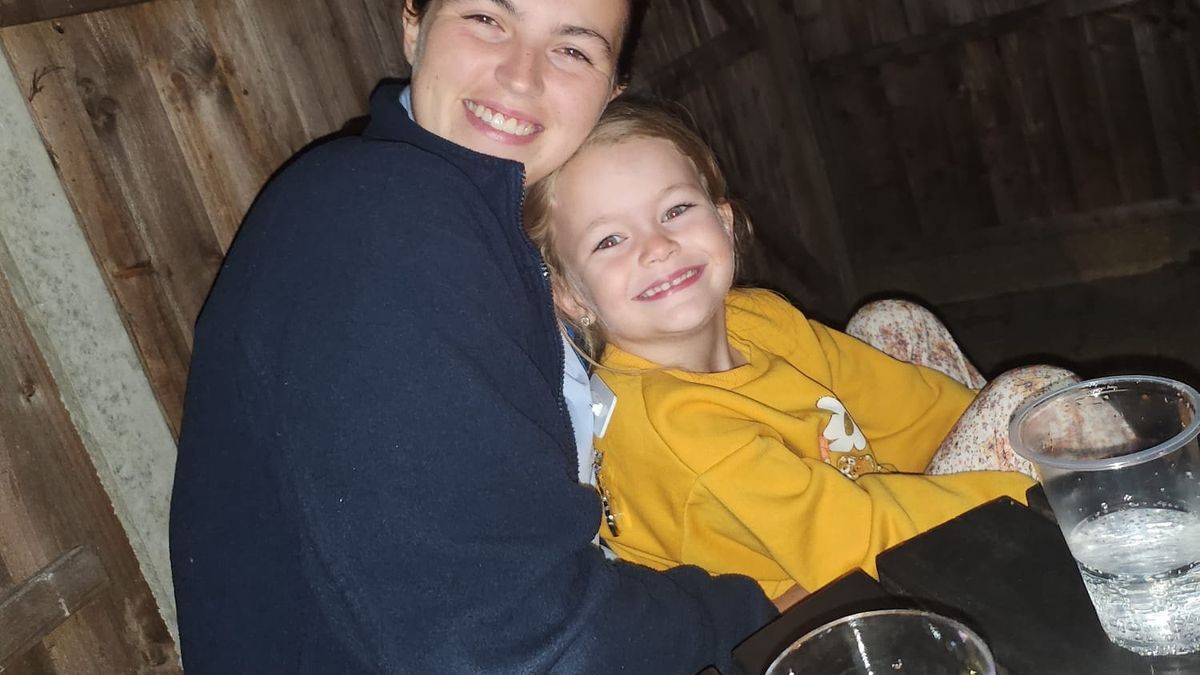
Ruby Trussler sadly passed away in October 2024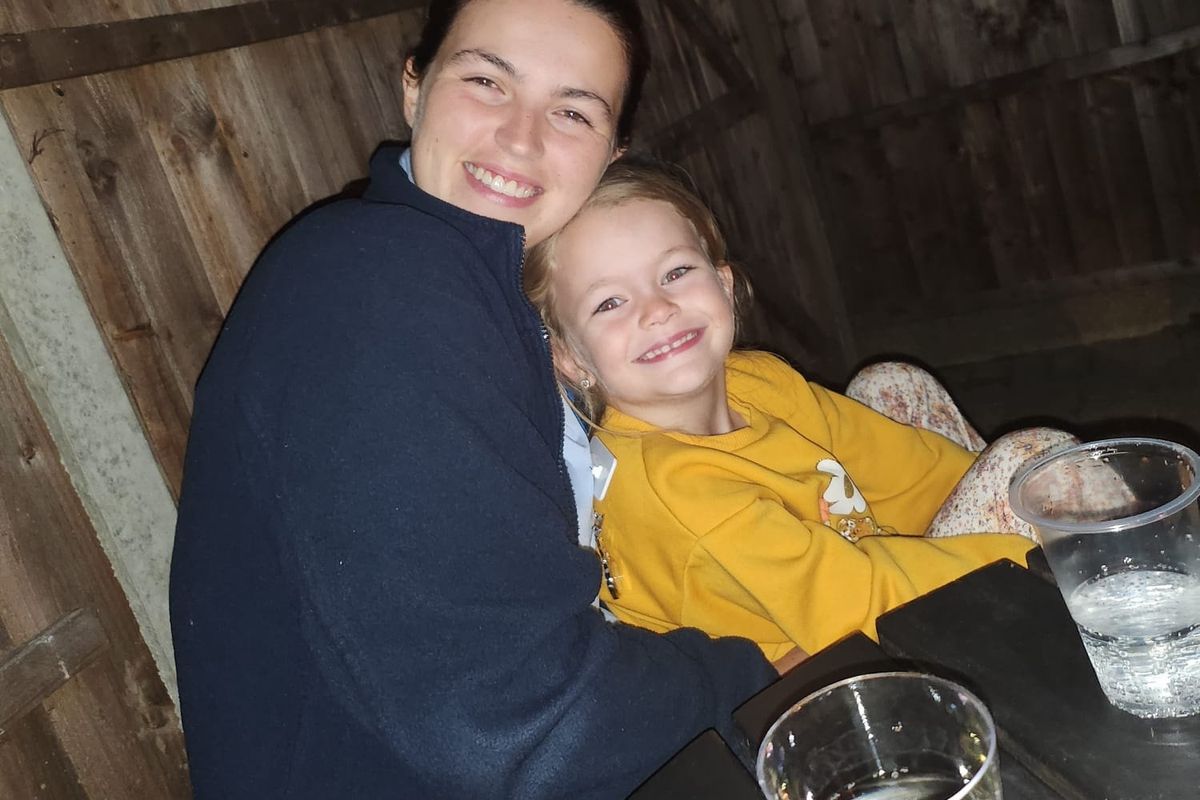
Ellie and Ruby(Image: Trussler Family© SWNS)
A nursing apprentice whose six-year-old sister died from sepsis after a routine appendix operation is calling for mandatory annual national training for all healthcare professionals. Six-year-old Ruby Trussler, from Harlow, died from multiple organ failure caused by sepsis on October 11 2024.
It happened just seven months after a surgery to remove her appendix, in what a coroner later called “a chain reaction of tragedy.” Ruby’s sister, Ellie Falconer, 25, from Loughton, had started a Nursing Associate degree apprenticeship just two months before Ruby died.
Sepsis is one of the leading causes of preventable death in the UK. According to the UK Sepsis Trust, around 245,000 people develop the condition each year, with at least 48,000 deaths annually.
Determined that other families should not suffer the same loss, Ellie is now campaigning for stronger national training and clearer clinical pathways to improve early recognition and treatment of sepsis. Ruby was admitted to Princess Alexandra Hospital in Harlow on October 7, 2024, with stomach pain and vomiting.
She was transferred to Addenbrooke’s Hospital on October 8, where surgeons attempted to remove an abdominal adhesion, a bowel obstruction caused by scar tissue from her appendix surgery. Ruby’s condition deteriorated rapidly. She later required a leg amputation and further emergency operations.
Despite doctors’ efforts, Ruby was diagnosed with sepsis and never regained consciousness. Ellie said: “Everyone thought she had a stomach bug at first. From the notes that I’ve seen, from speaking to mum and Dean, I believe she was showing signs of sepsis much earlier than they realised. “
Her parents, Emma and Dean, later wrote a letter of complaint outlining their belief that “significant delays” led to the “catastrophic” outcome and called her care “completely unacceptable.” Ellie and her family, including mum Emma Trussler, 46, believe greater awareness of sepsis symptoms for adults and children, among both medical professionals and the public, could have saved Ruby’s life.
She said: “This isn’t just about one hospital – this is about the country as a whole. The sepsis pathway is not just one clear guidance – everyone adapts it. If you go by the UK Sepsis Trust’s sepsis tool, then she would have been highlighted as urgent, she would have been showing signs of the red flags of sepsis.
“In my opinion, they should have used that and then she could have been treated far better, far quicker.” While continuing her nurse training in Chelmsford and working on Ray Ward at Princess Alexandra Hospital in Harlow, Ellie’s campaigning work has already begun to attract national attention.
She has been shortlisted for two honours at the Student Nursing Times 2026 Awards, being held in April, for her efforts to improve awareness of sepsis and patient safety. The nominations are in part due to a children’s educational book she wrote, designed to help families recognise the warning signs of sepsis early. The interactive story, featuring a character called Super Teddy, explains the symptoms in an age-appropriate way.
Since publishing the book, Ellie has shared the resource with schools, nurseries and paediatric waiting rooms. She also volunteers with the UK Sepsis Trust, speaking in schools and raising awareness.
Together with her family, she helped launch the Ruby Rose Foundation, created in her sister’s memory to educate families about the signs of sepsis. The charity has raised more than £40,000 for the UK Sepsis Trust since April 2025.
Jo Ward, Interim Chief Nurse at The Princess Alexandra Hospital NHS Trust (PAHT), said: “We offer our deepest condolences on the sad loss of Ruby and our thoughts continue to be with her family. We are unable to comment on individual cases, however, we have fully investigated the circumstances surrounding Ruby’s care and treatment at our hospital and with our partner organisations. The Coroner found that the circumstances of Ruby’s death were sadly unavoidable. We are committed to continuous improvement.”
Dr Ron Daniels, Founder and Chief Medical Officer, The UK Sepsis Trust, said: “It’s true that currently there is no mandatory national sepsis training requirement for healthcare professionals. Routine training should absolutely be introduced – every patient-facing health professional should be trained in sepsis at least on an annual basis.
“In order to deliver nationwide improvements in sepsis recognition and response, we need a commitment from health ministers on the development and implementation of a ‘sepsis pathway’ – a standardised treatment plan that ensures patients receive the right care from the point at which they present their symptoms to a clinician through to receiving their diagnosis.
“We also need to see the introduction of consistent public reporting from NHS Trusts on the numbers of sepsis cases and their outcomes, and continued improvement of public awareness of the signs and symptoms of sepsis. We are inspired and moved by Ellie’s dedication, and by the invaluable work she’s doing to raise awareness of sepsis and honour Ruby’s memory. We extend our heartfelt thanks and support for her vital efforts.”