
Global equity markets rebounded and oil prices fell back below $95 as a tentative peace deal between the US and Iran triggered a mid-week relief rally.
The rally began in the Asia Pacific markets in response to the temporary ceasefire in the Middle East conflict and spread to Europe where markets enjoyed a positive mid-week session.
In London, the FTSE 100 climbed 260.09 points, or 2.5 per cent, to 10,608.88, its biggest one-day rise since April 2025, and the FTSE 250, whose constituents are more UK focused, rose 878.38 points, or 4.1 per cent, to 22,434.83., the best single daily increase since March 2022. The Dax in Frankfurt climbed 5.1 per cent as the Cac40 in Paris added 4.5 per cent.
On Wall Street, the S&P 500 rose 2.5 per cent to 6,782.81, while the technology-heavy Nasdaq was up 2.8 per cent at 22,634.99.
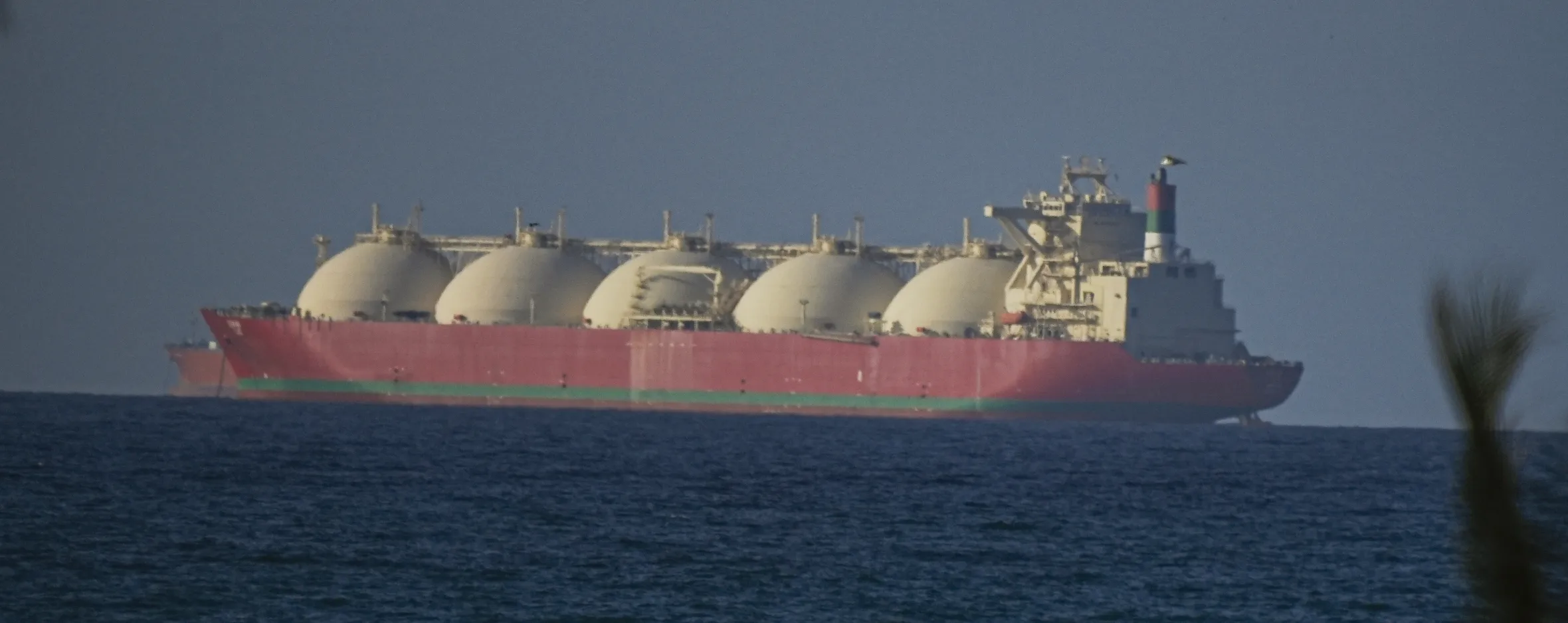 A vessel passing through the Strait of Hormuz on Wednesday following the two-week temporary ceasefireShadi J. H. Alassar/Anadolu via Getty Images
Investors pinned their hopes on the agreed two-week pause in hostilities leading to a permanent ceasefire, potentially allowing trade to resume through the Strait of Hormuz — a vital artery for 20 per cent of global oil and gas supplies — within weeks.
The reopening could lead to a lower rise in inflation than economists had feared, prompting traders to cut their bets on future interest rate increases.
Elsewhere in response to the fragile ceasefire:
Prices of oil and gas fell sharply
UK government borrowing costs plummeted
Shares in airlines and housebuilders jump
The dollar, a safe haven during the war, sold off
The markets’ “fear gauge” returned to pre-conflict levels
Analysts warned recovery could “easily unravel”
On hopes that the Strait of Hormuz is set to reopen, the cost of a barrel of Brent crude oil dropped 13.3 per cent to $94.75, having hit a four-year high of $118.35 at the end of March. However, energy prices remain comfortably above where they were at the end of February when they stood at less than $70 and traders flagged that a rebound in prices over the coming weeks was still possible.
“Markets [have] priced in a fast unwinding of the geopolitical risk premium, but real-world shipping and inventory normalisation take time,” Joe Mazzola, head trading strategist at Charles Schwab, the US bank, said. “Any renewed disruption of the strait [of Hormuz] could send crude prices right back up.”
About 130 million barrels of crude oil and 46 million barrels of refined fuels are floating on roughly 200 tankers in the region, according to data from Kpler, the analytics firm.
James Hosie, an equity analyst at Shore Capital, said: “Even if this ceasefire becomes a more lasting peace agreement, we do not expect oil and gas prices to return to their pre-conflict levels as it will take time for industry operations in the Persian Gulf to normalise.”
Edward Meir, an analyst at Marex, a brokerage, said the situation is “still very tenuous”, adding: “There are so many elements that need to be negotiated. They could easily unravel, and it could be a short-term recovery in all the markets. We’re still not out of the woods.”
British government borrowing costs dropped by their most in three years, with the yield on two-year gilts falling by 25 basis points to 4.148 per cent as traders reduced their expectations for future interest rate increases. The yield on the 10-year gilt, a proxy for government borrowing costs, fell 20 basis points to 4.63 per cent.
Gilt yields have risen since the start of conflict on fears that higher energy prices increased the possibility that the Bank of England could raise the cost of borrowing to curb higher inflation.
Markets are now pricing a maximum of two rate rises this year, compared with the three increases they were forecasting on Tuesday. That would improve affordability for homebuyers, which helped push shares in Bellway and Vistry, the housebuilders, up by more than 9 per cent.
Fewer rate rises would also reduce the opportunity cost of holding gold, which does not pay dividends or earn interest. It rose 2 per cent on Wednesday to $4,749.50 an ounce, its highest since mid-March.
Gold was also boosted by the drop in the value of the US dollar against most major currencies. The greenback is popular with investors during times of uncertainty, but it was sold off on Wednesday as traders rediscovered their risk appetite. The dollar, which has been the haven of choice since the conflict began, fell against a basket of six currencies. The pound strengthened to $1.3477, up 1.4 per cent.
In a sign of investors’ new-found confidence, the CBOE Volatility Index, known as the markets’ “fear gauge” which tracks expectations of market turbulence, fell 17 per cent to 21.42, roughly where it was before the US and Israel first targeted Iran.
Charu Chanana, the chief investment strategist at Saxo, said the pivotal tests were whether talks keep progressing over the next two weeks — and whether insurers and tanker operators regain enough confidence for traffic through the strait to run normally again. “That will determine whether this remains just a relief rally or starts to look more like a durable de-escalation,” she said.