
Wednesday 08 April 2026 11:34 am
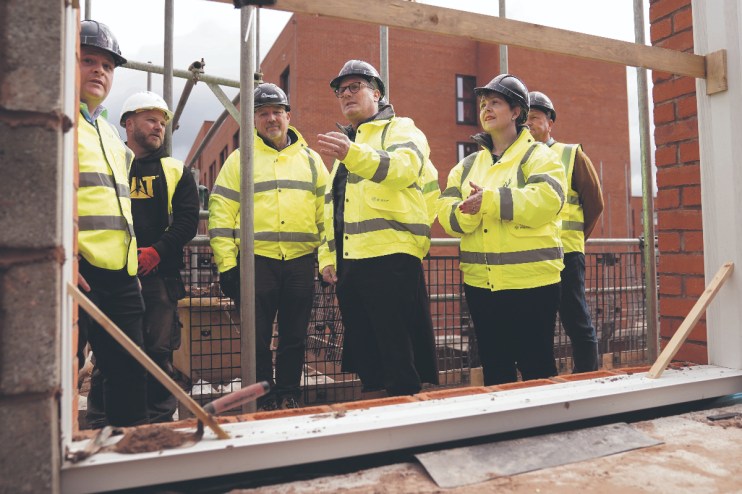 Construction jobs continued to be slashed as cost inflation spiked in March.
Construction businesses cut jobs at a faster pace in March while the month-to-month inflation rise was the largest on record in a survey that has existed for 29 years.
S&P Global said the difference in a reading for cost inflation between February and March was the largest it had ever recorded since data collection began in 1997.
The war in Iran pushed up input price inflation for March to highest level recorded for more than three years, according to the survey.
Fuel, transportation and raw material costs all piled pressure on construction companies which were already suffering from high labour and borrowing costs, the survey of around 150 firms showed.
The large spike in inflation squeezed profit margins and forced firms to cut jobs at a faster pace.
“The drop in confidence during March wiped out the steady improvements in business optimism reported since the Autumn Budget,” S&P Global economics director Tim Moore said.
“Escalating inflationary pressures, gloomy domestic economic prospects and higher borrowing costs were widely cited concerns in March.”
Read more
Bank of England: Businesses sharply raise inflation expectations
Job losses in construction due to ‘weaker pipeline’
The overall construction purchasing managers’ index reading, which measures activity, inched up to 45.6 from 44.5 in February.
It was higher than economists expected but remained far below the 50-figure benchmark for no change in activity, lengthening a 15-month streak of contractions for the sector.
Capital Economics commercial real estate economist Kiran Raichura said the high inflation reading was a cause for concern given it was “only likely to climb further as higher oil and gas prices feed through to construction costs”.
He also said a drop in confidence and expectations for new orders would lead to softer construction activity, even if the war in Iran draws to a close after a ceasefire.
Jobs worries will also likely concern Labour government officials intent on hitting a target to build 1.5m homes by the end of 2029.
Pantheon Macroeconomics analysts said the declining number of jobs across construction came as a result of “weaker pipelines of work”.
Forecasters have already suggested the government would not hit its target while the effects of lower costs from planning rule changes may only be felt closer to the next General Election.
Read more
Inflation expectations eased before Middle East energy crisis
Similarly tagged content:
Sections
Categories
People & Organisations