
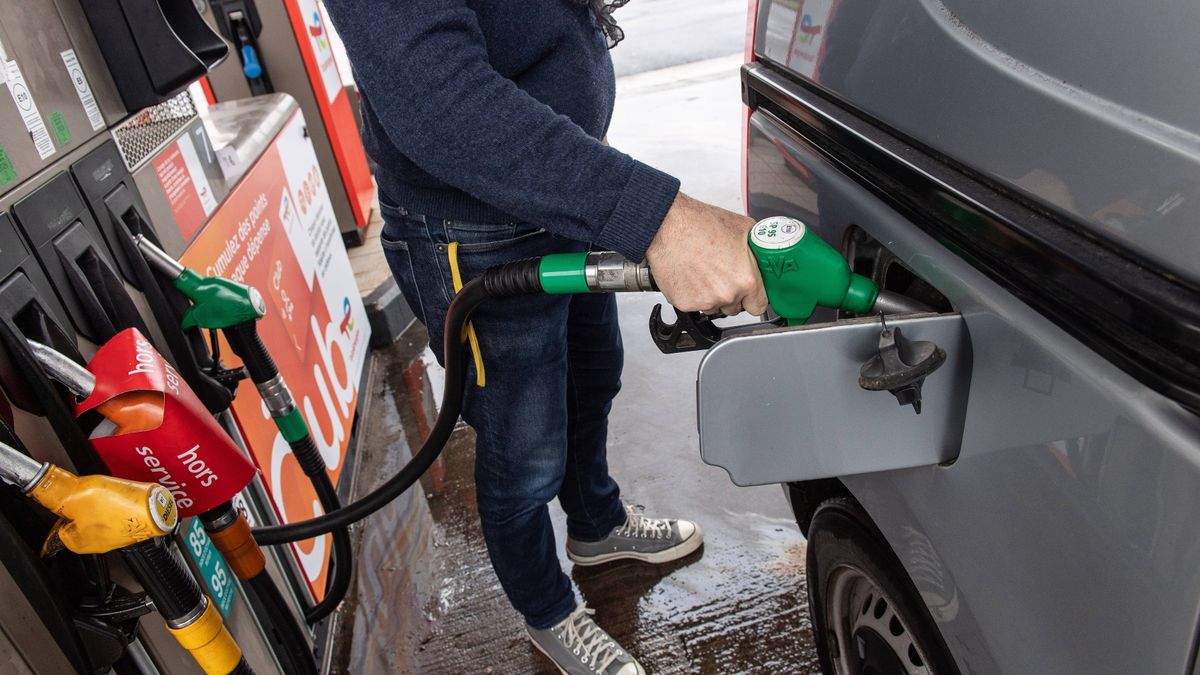
Sky high prices are hitting the public with massive hikes in food, flight and fuel prices. But despite oil prices plummeting after a pause in Operation Epic Fury experts fear the cost could be felt for months to come.
17:37, 08 Apr 2026Updated 17:38, 08 Apr 2026
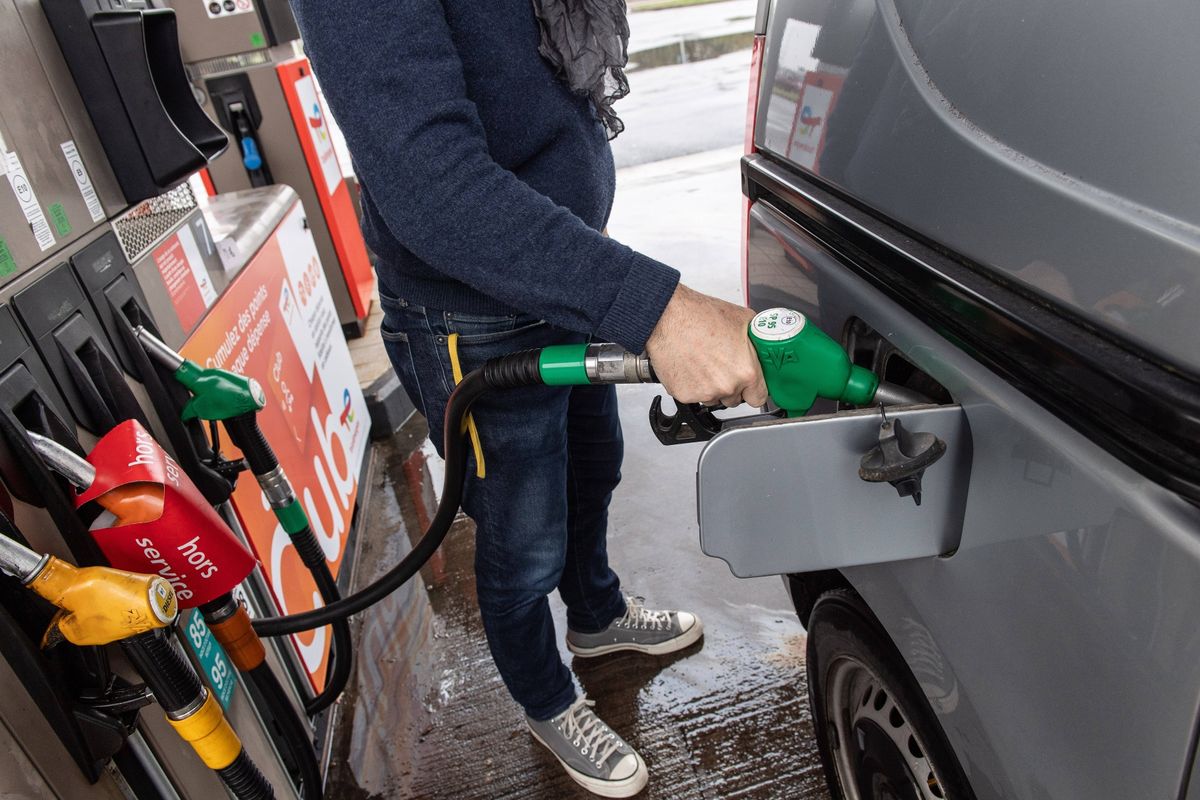
Petrol prices could take months to fall despite news of a pause in Operation Epic Fury(Image: ISA HARSIN/SIPA/Shutterstock)
Rocketing food, flight and fuel prices may take months to return to normal despite the two-week ceasefire in Iran, experts say. President Trump announced a pause in Operation Epic Fury prompting the price of crude oil to fall. Tehran agreed to halt its blockade of oil and shipments through the Strait of Hormuz, which had become one of the main focuses of the war.
But according to the BBC, analysts believe even if the fragile ceasefire holds it could take months to restart production and get supplies back to normal.
The RAC’s head of policy Simon Williams says there is still huge uncertainty for drivers but they are hoping to see prices at least stop rising in the coming days. But he says some smaller independent forecourts – which buy oil as it costs on the day rather than in advance at a set price – may be quicker to pass on reductions.
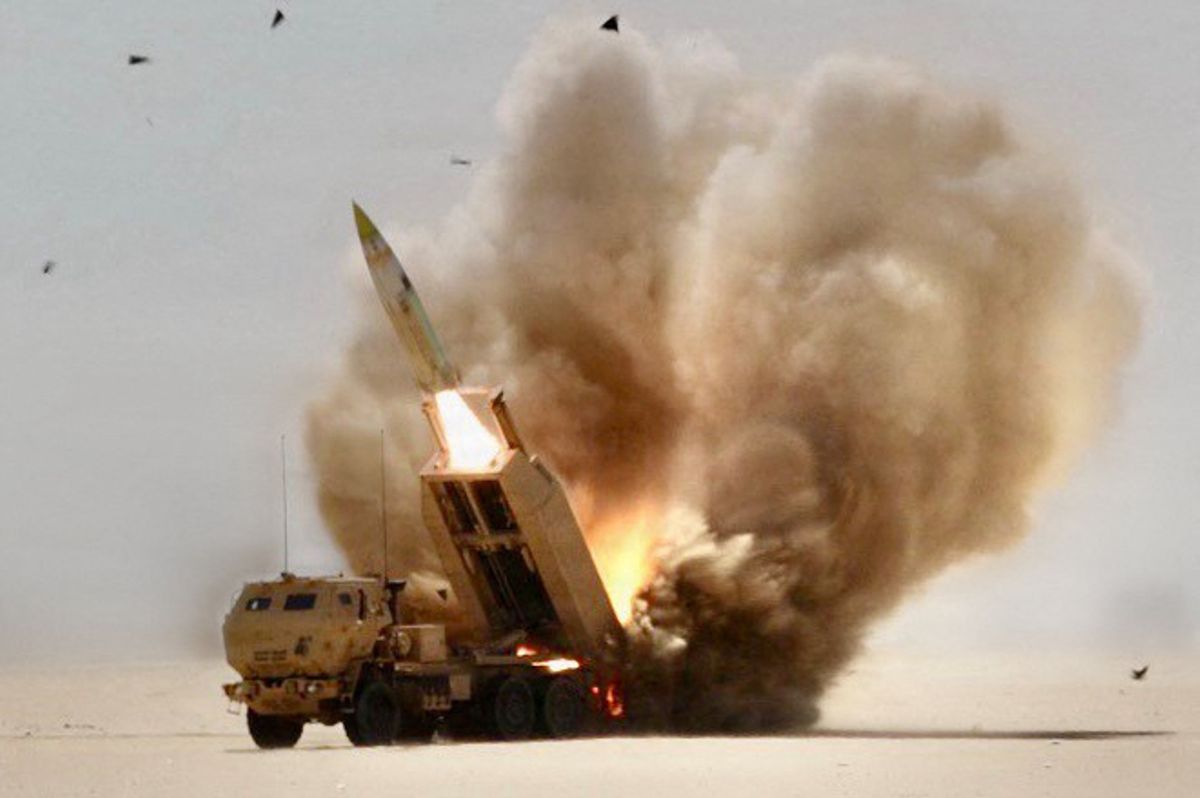
US President Trump has declared a two week ceasefire in “Operaton Epic Fury”(Image: US ARMY/AFP via Getty Images)
READ MORE: Donald Trump warned that Putin is the ‘real winner’ after ‘call for nuclear strike’READ MORE: Putin ‘will unleash nuclear strike’ as Russian oligarch issues one-month warning
“Much will depend on the stability of the ceasefire, whether oil shipments can move freely through the Strait of Hormuz, and the longer‑term impact on oil production across the Gulf,” he says.
He says a sustained lower price over several weeks is needed to meaningfully lower wholesale fuel costs.
According to the RAC, the nationwide average for unleaded now stands at 157.71p a litre, and 190.62p for diesel. Before the war began, unleaded was 132.83p and diesel 142.38p. Both fuels are now at their most expensive since late 2022.
Rachel Winter, from the wealth management company Killik & Co, said t is difficult to predict how quickly costs at the pump might fall.
“I would expect it to take at least a few weeks, if not a few months,” she told BBC Radio 4’s Today Programme.
Antonia Medlicott, founder and MD at Investing Insiders said day-to-day costs remained high, said: “…Drivers would be wise not to assume that a ceasefire will result in immediate relief at the pumps, and the bigger issue for households is how exposed they are to these repeated shocks. While spikes can be temporary in isolation, the cumulative effect on day-to-day costs can be significant and enduring.”
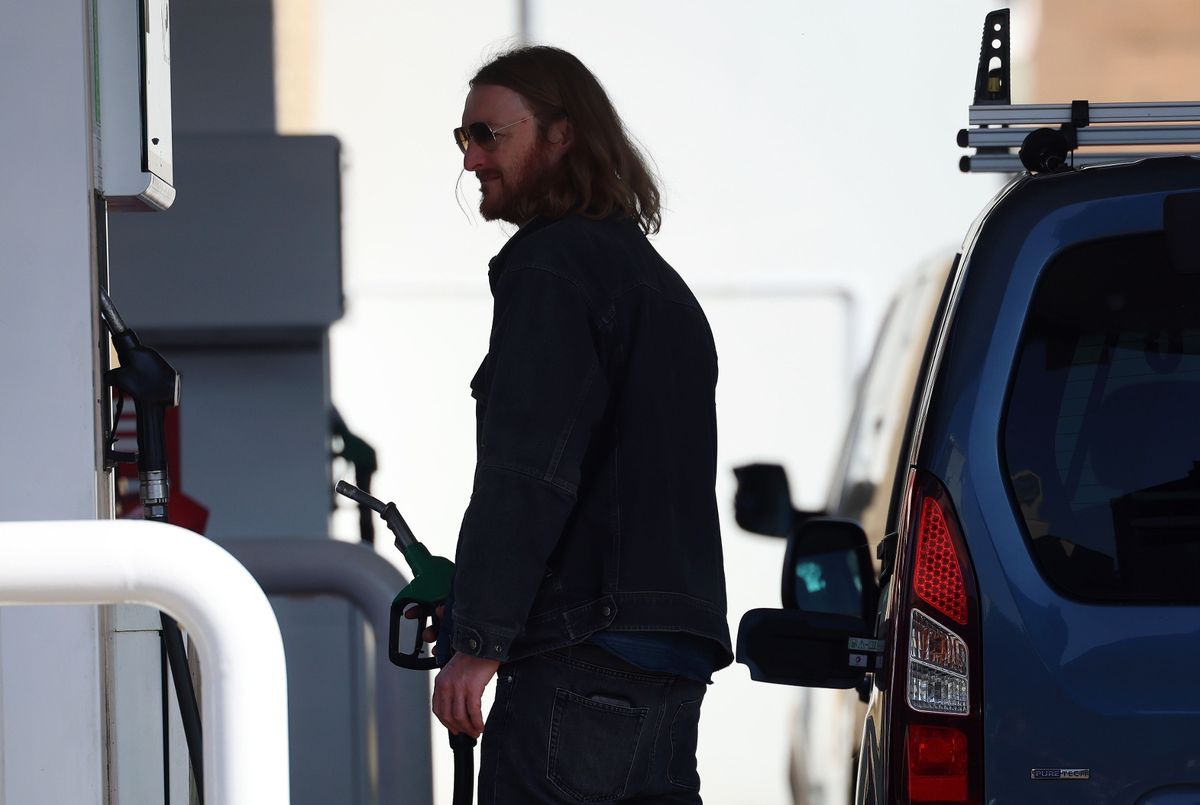
Stock markets have reacted positively to the ceasefire declared in the Iran war but experts warn this does not mean petrol prices will fall any time soon(Image: ANDY RAIN/EPA/Shutterstock)
Meanwhile, jet fuel is roughly double its pre-war levels with flights being cancelled following a surge in jet fuel prices due to the Iran war. Willie Walsh, the boss of the International Air Transport Association (IATA), told the BBC even if traffic through the waterway resumes now, it will take months for supplies to reach the level they need to be at.
Passengers should expect higher ticket prices in the meantime, he says. Some airlines have already hiked fares, while some have cut routes.
Even if jet fuel were able to flow through the strait, it still needs refining – and some facilities have been damaged, Mr Winter adds.
The Food and Drink Federation, which represents thousands of UK manufacturers, says the ceasefire hasn’t ended the “long‑term uncertainty”.
Their chief economist Dr Liliana Danila said recovery to supply chains and energy infrastructure in the Gulf is expected to take between six months and a year.
“This means manufacturers will continue to feel the impact of supply chain disruptions for oil, gas, fertiliser, packaging materials and essential cleaning chemicals, keeping costs under strain for months to come.”
Even if the conflict ends within the next two weeks, it expects UK food inflation to reach at least 9% before the end of the year.
So far, households under Ofgem’s energy price cap have been shielded from the spike in wholesale energy prices but the cap resets for three months in July which could see a big jump.
The government has promised to support low income households but this may not come until the Autumn.